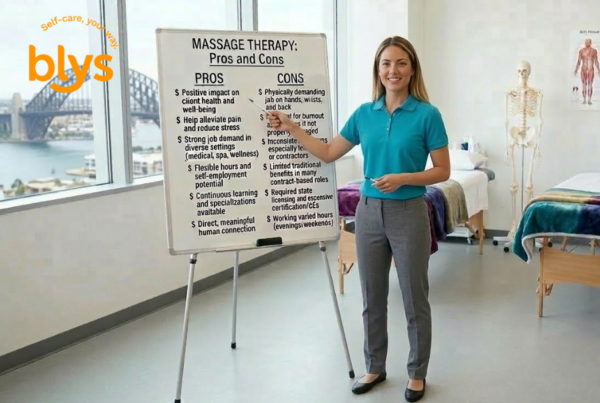
 If you’ve ever finished a long shift on your feet, studied the human body until it clicked, and thought, “I could do something meaningful with this,” massage therapy is worth a serious look. It’s a career that combines hands-on skill with genuine care for people, and the demand for qualified therapists in Australia continues to grow.
But before you enrol in a course or hand in your resignation letter, you’ll want a realistic picture of what the work actually looks like: what you can expect to earn as a massage therapist, how stable the job market is, and what other directions your career might take once you’re qualified. That’s exactly what this post covers.
Whether you’re weighing up a complete career change or simply researching your options, here’s an honest look at massage therapist job salary, demand, and where the profession is headed.
What Does a Massage Therapist Earn in Australia?
Massage therapist job salary in Australia varies depending on your experience, specialisation, work setting, and whether you work for someone else or run your own practice.
According to Massage & Myotherapy Australia, the industry body for remedial and massage therapists, qualified therapists working in private practice can set their own rates, which typically range from $80 to $130 per hour for remedial massage. Employed positions at spas, resorts, or health clinics tend to be lower per hour but come with the stability of regular hours and a base wage.
Starting Out
Early in your career, you’ll likely earn somewhere between $55,000 and $65,000 per year in an employed role. Casual positions may pay a higher hourly rate without the security of consistent bookings.
With Experience
Experienced therapists, particularly those who practise myotherapy, can earn significantly more. Self-employed therapists who build a loyal client base often report incomes well above the employed average. On a platform like Blys, therapists set their own availability and earn more by working when it suits them, with additional qualifications in remedial massage or
Location and Setting Matter
Therapists in major cities like Sydney, Melbourne, and Brisbane typically have access to a larger client pool and higher booking rates. Those who offer mobile services through platforms like Blys also benefit from reduced overhead compared to maintaining a treatment room.
Job Demand: Is There Work Out There for Massage Therapists?
The short answer is yes. Demand for massage therapy in Australia has grown steadily over the past decade, and several factors suggest that growth will continue.
According to the Better Health Channel (Victorian Government), massage is increasingly recognised for its role in managing chronic pain, sports recovery, and stress-related conditions. As Australians become more proactive about preventative health, bookings for massage therapy have increased across both clinical and wellness settings.
A few drivers behind this demand include:
- An ageing population with greater need for pain management and mobility support.
- Growing awareness of the mental health benefits of regular massage.
- The rise of corporate wellness programmes that include on-site massage.
- Increased participation in recreational sport and fitness, which drives demand for sports and remedial massage.
For therapists who stay up to date with their continuing professional development and maintain their qualifications, the job market remains solid.
Does Technology Make a Massage Therapist’s Job Easier?
Technology hasn’t replaced the human touch at the core of massage therapy, but it has made running a practice considerably more manageable.
Booking platforms have arguably had the biggest impact. Rather than relying solely on word-of-mouth or expensive clinic space, therapists can now connect directly with clients through on-demand platforms. Blys, for example, allows therapists to set their own hours, manage their bookings, and reach clients across their area without the overhead of a fixed treatment room. It’s changed the business model for many independent practitioners.
Other ways technology supports therapists day to day:
- Practice management software for scheduling, invoicing, and SOAP notes.
- Health fund integration for on-the-spot private health claiming.
- Online CPD (continuing professional development) modules that are easier to fit around a working week.
- Social media as a low-cost way to build a local client base and share expertise.
The result is that today’s therapist has more flexibility and autonomy than previous generations. Running a solo mobile practice that delivers a strong income is genuinely achievable in a way it wasn’t ten years ago.
What Other Jobs Can a Massage Therapist Do?
A massage therapy qualification opens more doors than you might expect. If you’re wondering what jobs a massage therapist can do beyond the treatment room, here are some of the most common career directions.
1. Myotherapist or Remedial Massage Specialist
With additional study, many therapists progress to myotherapy, which involves a deeper clinical focus on musculoskeletal conditions. It’s a natural next step for therapists who enjoy the more assessment-based side of practice. Our massage therapist career guide covers this pathway in more detail.
2. Corporate Wellness Facilitator
Businesses are increasingly investing in employee wellbeing, and massage therapists are well placed to deliver workplace wellness sessions. Some therapists build an entire practice around corporate clients, offering chair massage, stretch sessions, or wellness workshops in office settings.
3. Educator or Trainer
Experienced therapists often move into teaching roles at TAFE or private training organisations, passing on their skills to the next generation of practitioners. This requires additional qualifications but is a rewarding direction for those who enjoy mentoring.
4. Sports and Events Massage
Working at sporting events, marathon expos, or with professional sports teams is a niche but viable career path for therapists with a sports focus. It’s often casual or contract work that complements a broader practice.
5. Health Writing or Content
Therapists with strong communication skills sometimes branch into health writing, social media content, or patient education materials. This is a good second job for a massage therapist looking to diversify income without adding physical strain.
Is Massage Therapy a Good Long-Term Career?
Like any physically demanding job, massage therapy has its challenges. Repetitive strain injuries are a genuine occupational risk, and most experienced therapists learn quickly that sustainable body mechanics are not optional. Understanding how to work efficiently and not burn through your own energy or joints is as much a professional skill as any technique.
That said, therapists who manage their workload sensibly, take their own health seriously, and continue developing their skills tend to report high levels of job satisfaction. The work is tangible: clients leave feeling better than when they arrived, and that kind of direct, visible impact is difficult to replicate in a desk-based role.
If you want to know more about what makes a great therapist and how to find one, our guide on how to choose the right massage therapist is a useful read, even for those considering the career from the other side. For those exploring the business of massage therapy, Massage & Myotherapy Australia publishes industry standards and resources that are worth bookmarking early in your career.
Wrapping Up
Massage therapy is a career that offers genuine flexibility, meaningful work, and solid demand across Australia. The massage therapist job salary range is wide, but therapists who invest in their skills, manage their practice thoughtfully, and stay connected to the industry tend to build rewarding careers over the long term.
If you’re seriously considering the path, take your time researching training providers, understand your registration requirements, and think about the kind of practice you want to build. And if you’d like to see what the day-to-day looks like from the inside, explore the Blys therapist community to get a sense of how working therapists are building their practices in today’s market.