 If you enjoy helping people feel their best and want a career that combines creativity with practical skill, beauty therapy could be a strong fit. It is a growing field in Australia, with rising demand for qualified professionals who provide skin treatments, waxing, lash services and body therapies. With mobile and in-home services also on the rise, there are now more ways than ever to build a career in the industry.
But what does the job involve day to day? What qualifications do you need, how much can you earn, and where can this career take you over time? This guide covers the essentials, from training pathways and specialisations to salary expectations and long-term career growth in Australia.
Whether you are exploring study options, planning a career change or simply learning more before committing, here is what you need to know before entering the beauty therapy industry.
What Does A Beauty Therapist Do?
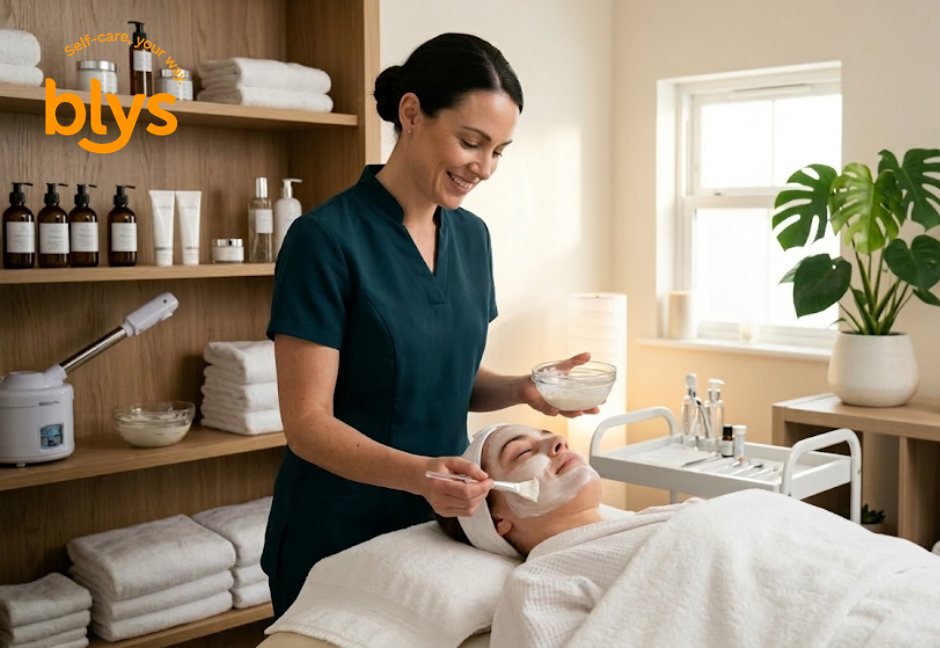
A beauty therapist is a trained professional who provides beauty and personal care treatments in a safe, hygienic and client-focused setting. In Australia, the role often includes skin treatments, waxing, lash and brow services, nail care, make-up, and selected body treatments. Official training guidance also highlights client consultations, product advice, and customer service as core parts of the job.
Beauty therapy is not only about performing treatments. A big part of the role involves understanding client needs, assessing skin concerns, recommending suitable services, and helping clients maintain results over time. This makes it a career that combines technical skill, attention to detail and strong communication.
Common beauty therapist services:
| Service Category | Common Treatments | What It Involves |
| Skin treatments | Facials, skin analysis, personalised consultations | Supports skin health, addresses concerns and helps clients choose suitable treatments |
| Hair removal | Waxing and other hair removal services | Removes unwanted hair safely while following hygiene and skin care protocols |
| Lash and brow services | Brow shaping, tinting, lamination, lash treatments | Enhances facial features and improves the overall appearance of brows and lashes |
| Body treatments | Body wraps, scrubs and exfoliation treatments | Helps improve skin texture and provides a relaxing treatment experience |
| Tanning and make-up | Spray tanning, make-up application | Prepares clients for events, special occasions or everyday confidence |
| Nail care | Manicures and pedicures | Maintains nail health while improving the look of hands and feet |
| Body therapy services | Relaxation massage and wellness treatments | Promotes comfort, stress relief and a more complete beauty service offering |
A big part of a beauty therapist’s role also happens before and after each treatment. Client consultations, treatment planning, product advice and aftercare recommendations all help build trust and encourage repeat bookings. In many cases, strong communication and client care skills are just as important as technical ability.
It is also worth noting that beauty therapy and massage therapy are related but separate career paths. Some beauty therapists expand their services with relaxation massage training, while others focus fully on skin, grooming and cosmetic treatments. Both paths offer flexible work options and strong career growth in the Australian beauty and wellness industry.
Where Beauty Therapists Work And What They Specialise In
Beauty therapy offers flexibility in both where you work and the services you focus on. From salons and spas to mobile services and cosmetic clinics, there are several career paths to explore. Many therapists also choose to specialise over time to grow their skills, attract the right clients and increase their earning potential.
Work Environments
One of the real advantages of a beauty therapist career is the breadth of settings you can work in. Unlike some health professions that are tied to a single workplace type, qualified beauty therapists have genuine flexibility in where they take their skills:
- Day spas and luxury retreat centres
- Salons and dedicated beauty clinics
- Hotels, resorts and wellness retreats
- Medispas and cosmetic clinics
- Cruise ships and travel-based roles
- Mobile and in-home beauty services
- Self-employment and freelance arrangements
The rise of mobile beauty services has created a particularly appealing pathway for therapists who prefer flexibility over a fixed location. Platforms like Blys beauty services connect qualified professionals with clients who want treatments delivered at home, at a hotel or at events, giving you more control over your schedule and clientele without requiring your own salon space.
Specialisations To Consider
Once you have your foundational certificate, further short courses and advanced training can open up higher-earning specialisations. Some of the most in-demand areas include:
- Advanced skin treatments and cosmetic needling
- Laser and IPL hair removal
- Semi-permanent make-up and cosmetic tattooing
- Lash lifting and volume lash extensions
- Spray tanning and airbrush make-up
- Oncology aesthetics, which involves treating clients during or after cancer treatment
Specialising allows you to command higher service prices and attract a more defined client base. It also makes it easier to stand out in a competitive market, which matters whether you’re working independently or building a mobile practice.
Skills And Requirements To Become A Beauty Therapist In Australia
To work professionally as a beauty therapist in Australia, you need a nationally recognised qualification from an accredited training provider. The standard entry-level credential is the Certificate III in Beauty Services (SHB30115), which covers core treatments including skin care, waxing and nail services. For a broader scope of practice, the Certificate IV in Beauty Therapy (SHB40115) introduces more advanced techniques and is the preferred qualification for most salon and spa roles.
These qualifications are delivered through registered training organisations (RTOs) across Australia. You can find and verify accredited providers through the Australian Skills Quality Authority (ASQA), which maintains a national register of approved training courses and delivery providers. Some RTOs also offer these qualifications as apprenticeships, which allows you to work and study at the same time.
Beyond formal qualifications, strong beauty therapists bring a well-rounded mix of technical and interpersonal skills to the role:
- Technical precision: Treatments like waxing, lash application and skin analysis require a steady hand, good spatial awareness and close attention to detail.
- Client communication: You’ll regularly consult with clients on skin concerns, health history and treatment goals, often across multiple sessions.
- Product knowledge: Understanding ingredients, skin types and contraindications is central to delivering safe and effective treatments.
- Physical stamina: Beauty therapy involves long periods of standing, repetitive movement and sustained concentration, often across a full day of back-to-back bookings.
- Hygiene and safety compliance: Strict infection control and proper sanitation are non-negotiable aspects of professional practice.
Most therapists also complete a current first aid certificate and arrange professional indemnity insurance before entering the workforce. Both are standard expectations in professional settings, and some employers and booking platforms require them before you can take clients.
Beauty Therapist Salary And Career Growth In Australia
Beauty therapist earnings in Australia vary depending on experience, location, qualifications and whether you are employed or self-employed. Jobs and Skills Australia reports median full-time earnings of about $1,178 per week, or around $61,000 a year before tax. Therapists in premium clinics or senior roles may earn more.
Self-employed and mobile beauty therapists may charge higher rates, especially once they build a steady client base or specialise in in-demand services. The trade-off is taking on admin, marketing, insurance and other business costs.
Location also matters. Therapists in major cities often have access to higher-paying clients, while regional areas may offer less competition and stronger referral networks.
If you are comparing beauty therapy with related roles in the wellness space, the massage therapist salary and job outlook guide on the Blys blog is a useful internal reference.
Career growth can lead to senior salon roles, clinic management, education, product training or private practice. Short courses and advanced training can also help beauty therapists expand their services and increase their earning potential.
How To Get Started In Your Beauty Therapy Career
Starting a beauty therapist career takes more than an interest in beauty and skincare. You also need the right training, hands-on practice and a plan for how you want to build your experience. The good news is that there are clear steps you can follow to enter the industry with confidence and start building a long-term career.
If you’re ready to take the first step, here’s a practical sequence to follow:
- Research registered training providers: Use training.gov.au or the ASQA website to find Certificate III or Certificate IV in Beauty Therapy courses in your state. Look for providers with strong practical components and good student reviews.
- Check entry requirements: Most courses require a Year 10 education level as a minimum and may include an interview or skills assessment as part of enrolment.
- Complete your practical hours. Most beauty therapy qualifications include a supervised work placement component. This is your opportunity to work with real clients under guidance and build your portfolio before you finish studying.
- Get your first aid certificate: A current first aid and CPR certification is a straightforward step that most employers and booking platforms require before you take on clients independently.
- Build a visible professional presence: In beauty therapy, your work speaks for you. A clean Instagram profile showing your treatments, or an online booking page with client reviews, can make a significant difference in attracting your first clients.
- Explore flexible earning models: Once qualified, mobile platforms let you take on bookings on your own schedule without the overhead of running a full salon. This can be a great way to build experience and income while you establish your clientele.
The beauty industry rewards practitioners who keep investing in their skills. Whether you go deeply into advanced skin science, pursue laser certification, or focus on building a loyal mobile client base, there are clear and achievable pathways for long-term professional growth.
Ready To Start Your Beauty Therapist Career?
A beauty therapist’s career offers genuine variety, real skill development, and flexible work options that suit a range of lifestyles and ambitions. Whether you’re drawn to the structure of a luxury spa environment or the independence of running your own mobile practice, this industry has space for committed professionals at every stage of their journey.
If you’re already qualified and looking for flexible bookings on your own terms, Blys beauty services connects experienced beauty therapists with clients across Australia. It’s a practical, low-overhead way to build your client base and grow your income without the commitment of managing a full salon.