 Choosing a career is one of the biggest decisions you will make, and physiotherapy tends to sit near the top of a lot of shortlists. It combines healthcare, hands-on problem-solving, and genuine human connection in a way that few professions do. But before you commit to several years of study and the costs that come with it, it is worth asking honestly: is physiotherapy a good career, or does the reality fall short of the brochure?
The short answer is yes, for the right person it is an excellent choice. But like any career, it comes with trade-offs. Demand is strong, the work is meaningful, and the earning potential grows steadily with experience. At the same time, the training is rigors, the physical demands are real, and early-career salaries can be lower than some expect.
This post walks through everything you need to know, including salary benchmarks, job outlook, day-to-day realities, and what it takes to build a long-term career in physiotherapy. Whether you are a school leaver, a career changer, or just curious, here is an honest picture of what this profession actually looks like.
What Does A Physiotherapist Actually Do?
Physiotherapists assess, diagnose, and treat physical conditions that affect movement, function, and quality of life. Their patients range from elite athletes recovering from sports injuries to older adults managing chronic pain and from children with developmental conditions to people rebuilding mobility after surgery or stroke.
The work itself varies enormously depending on the setting. Hospital-based physiotherapists often work with postoperative patients or those in intensive care. Community and outpatient physios see a broader caseload, including musculoskeletal injuries, neurological conditions, and respiratory issues. Private practice opens up more variety still, with some practitioners choosing to specialise in areas like sports rehabilitation, women’s health, or paediatrics.
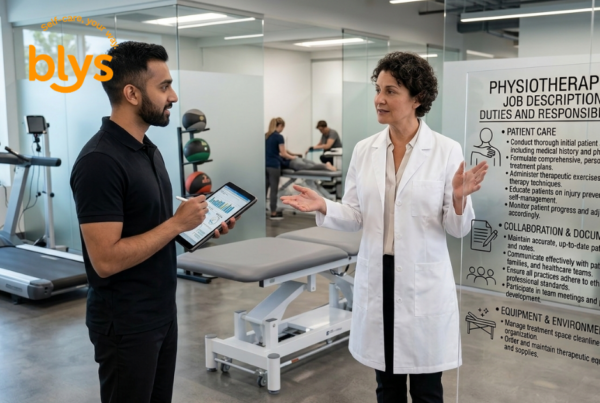
For a detailed breakdown of the day-to-day responsibilities the role involves, this overview of physiotherapist job duties and responsibilities is a useful starting point. It covers what a typical working week looks like across different clinical environments.
Is Physiotherapy A Good Career? The Honest Answer
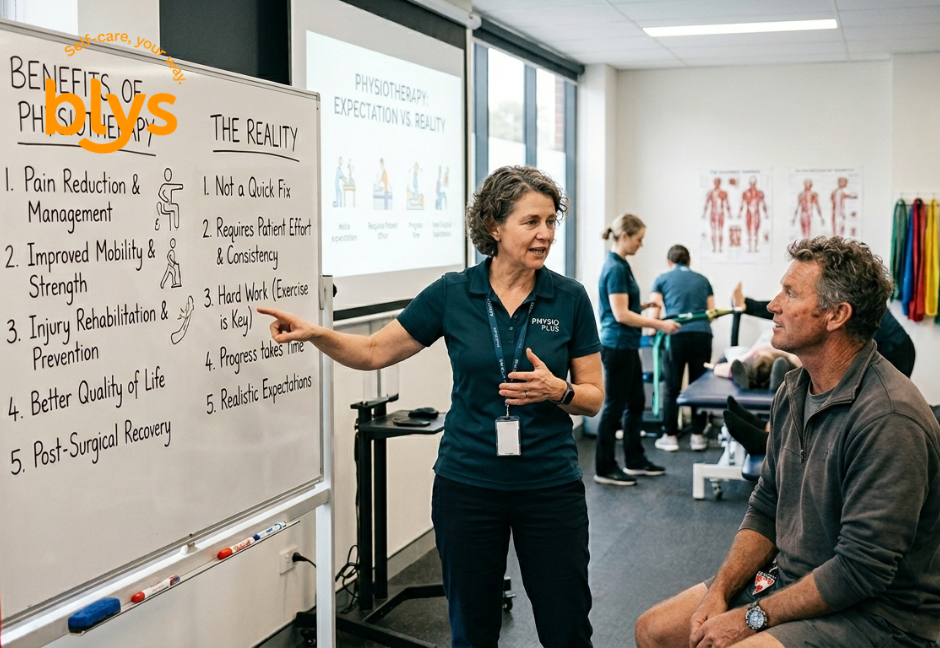
Most practising physiotherapists would say yes, though with some important caveats. Job satisfaction scores in the profession are consistently high. The work is varied, the impact on patients is direct, and the career path offers real flexibility, from clinical specialisation to research, education, or private practice.
That said, the entry requirements are demanding, and the physical nature of the work takes a toll over time. Understanding both sides of the equation before you commit is essential.
Job Demand And Employment Outlook
Physiotherapy is one of the fastest-growing health professions globally. Ageing populations, rising rates of chronic disease, and a growing emphasis on preventive care and rehabilitation are all driving sustained demand for qualified practitioners. According to the World Confederation for Physical Therapy, physiotherapy is recognised worldwide as a core healthcare profession, and workforce shortages are reported across many countries.
In high-income countries, job prospects for new graduates are generally strong, particularly in rural and regional areas where shortages are more pronounced. Telehealth has also expanded the settings in which physiotherapists can work, adding further flexibility for those who want it.
Salary And Earning Potential
Higher earnings often come from private practice, specialist roles, or mobile services. Physiotherapists who focus on areas such as sports rehab, chronic pain, neurological care, or post-surgical recovery can often earn more than generalist practitioners.
| Factor | Lower earning range | Higher earning potential |
| Experience level | New graduate or junior role | Senior clinician or advanced practitioner |
| Work setting | Public sector or salaried clinic role | Private practice or specialist clinic |
| Area of focus | General physiotherapy | Sports, chronic pain, neuro, post-surgical rehab |
| Service model | Fixed-location employment | Mobile, in-home, or private client work |
| Career path | Standard employee progression | Leadership, business ownership, specialised services |
Overall, physiotherapy can offer steady long-term income growth, especially for practitioners who build strong skills, gain experience, and develop a clear area of expertise.
The Real Benefits Of A Physiotherapy Career
A physiotherapy career offers more than strong job demand and steady earning potential. It is a profession centred on rehabilitation, function, and quality of life, which means the work often has a clear and visible impact on the people receiving care. As the global need for rehabilitation continues to grow, physiotherapy remains an important part of modern healthcare, which adds to its long-term value as a career.
- Meaningful work: Physiotherapists help people reduce pain, restore movement, and improve independence in everyday life. Because treatment is closely tied to real physical progress, many people are drawn to the profession for its practical and human impact.
- Variety: The work stays interesting because physiotherapists support people across many settings, including hospitals, private clinics, community care, rehabilitation services, and sports environments.
- Career flexibility: Physiotherapy qualifications can support a wide range of paths, from clinical care to education, research, leadership, and broader rehabilitation roles.
- Job security: Demand for rehabilitation does not disappear during economic downturns, and ageing populations and chronic disease continue to increase the need for physiotherapy services worldwide.
- Professional development: The field continues to evolve through updated research, new treatment approaches, and ongoing professional education, which gives practitioners room to keep building their skills.
- Human connection: Physiotherapists often work with patients over multiple sessions, which creates more continuity of care and stronger therapeutic relationships than many shorter-contact roles. This can make the work feel more personal and more rewarding over time.
Over time, these benefits can make physiotherapy feel like more than just a stable profession. It offers a mix of purpose, variety, and long-term career growth, while still giving practitioners the chance to work closely with people and see the results of their care in a tangible way. For many, that balance is what makes the profession especially appealing.
The Challenges You Should Be Aware Of
Physiotherapy can be rewarding, but it also comes with real demands. The training is intensive, the work can be physically and emotionally tiring, and long-term success often requires resilience and ongoing learning.
The Training Commitment
Becoming a physiotherapist requires completing an accredited degree programme, which typically takes three to four years at the undergraduate level or two years as a graduate-entry master’s programme. The coursework is demanding, combining scientific study with supervised clinical placements. It is not a career path you can drift into, and the financial and time investment is significant.
Physical Demands
The role is physically active. Manual therapy, patient transfers, and long periods on your feet are part of many physiotherapists’ daily reality. Over the course of a career, this can contribute to musculoskeletal strain, particularly in the back, shoulders, and hands. Good body mechanics and self-care become occupational necessities.
Emotional Load
Working with people who are in pain, dealing with chronic illness, or navigating slow and uncertain recoveries requires emotional resilience. Physiotherapists who work in palliative care, neurological rehabilitation, or paediatrics in particular encounter situations that are emotionally demanding.
Business Pressures In Private Practice
For those who move into private practice, clinical skill is only part of the picture. Running a practice means managing appointments, billing, marketing, and staff. Those who want to focus purely on patient care without the business side may prefer employed roles in hospitals or community health settings.
How To Get Started In Physiotherapy
The pathway into physiotherapy is structured and consistent across most countries. You will need to complete an accredited degree, pass any relevant registration requirements in your jurisdiction, and then register with the appropriate governing body. In Australia, for example, registration is managed through AHPRA (the Australian Health Practitioner Regulation Agency). Other countries have equivalent regulatory frameworks.
Entry requirements for physiotherapy programmes are competitive. Most universities require strong results in biology and other sciences at the secondary school level, and some graduate programmes require an undergraduate degree in a health- or science-related field.
Clinical placement forms a significant component of most programmes. This is where the practical skills developed in lectures are applied in real clinical settings, and it is often the phase of training that helps students confirm whether the profession is the right fit.
For a broader look at what a career in physiotherapy involves, from study through to practice, this physiotherapist career guide covers the key milestones in more detail.
Who Is Physiotherapy Best Suited To?
Physiotherapy attracts people with a particular combination of traits. If several of the following apply to you, the profession is worth serious consideration.
- You have a genuine interest in human anatomy and movement.
- You enjoy problem-solving and working out why something is not functioning as it should.
- You are patient and can build trust with people who are in pain or frustrated with slow progress.
- You want a career that continues to develop rather than one that becomes repetitive.
- You are physically active yourself and understand the role of movement in health.
- You want the option to work independently or build your own business down the track.
Equally, it may not be the right fit if you prefer desk-based work, are drawn to careers with faster early-career earning potential, or find the emotional weight of working with unwell people difficult to manage.
Wrapping Up
So, is physiotherapy a good career? For people who are drawn to healthcare, want meaningful work, and are prepared to invest in a rigors qualification, it is one of the more rewarding paths available. The combination of growing demand, flexible career options, and genuine patient impact makes it a profession with a strong long-term outlook.
If you are still weighing up your options, speaking with a practising physiotherapist is one of the best things you can do. And if you are already working in the field and looking for more flexible ways to see patients, mobile physiotherapy through Blys is worth exploring as a complement to your existing practice.