 You’ve finally carved out time to book a massage, and now you’re stuck staring at the options. Hot stone or deep tissue? Both sound appealing, but they do very different things, and booking the wrong one can leave you feeling underwhelmed, sore, or simply like you wasted your session.
If you’ve ever wondered which is better, deep tissue or hot stone massage, the honest answer is: it depends on what your body needs right now. One works by going deep into stubborn muscle tissue; the other uses warmth to melt away tension and calm your nervous system. Both are genuinely effective. The trick is knowing which one fits your situation.
This guide breaks down how each massage works, what it’s best for, and the questions to ask yourself before you book. By the end, you’ll have a clear picture of which option suits you, and the confidence to choose without second-guessing.
What Is Hot Stone Massage?
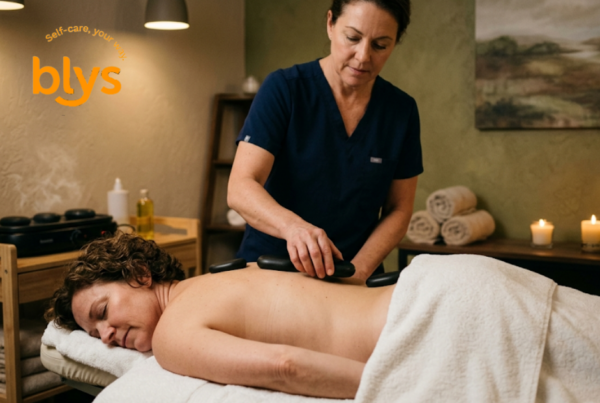
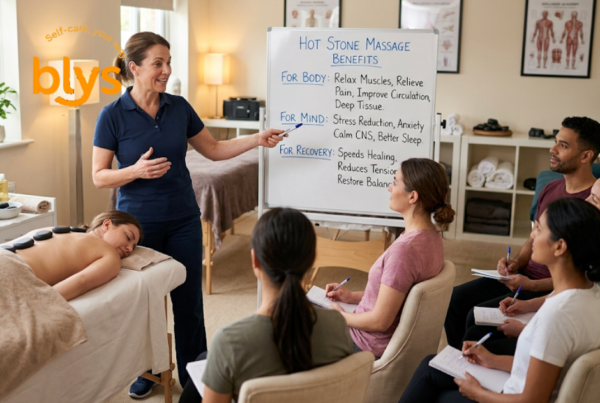
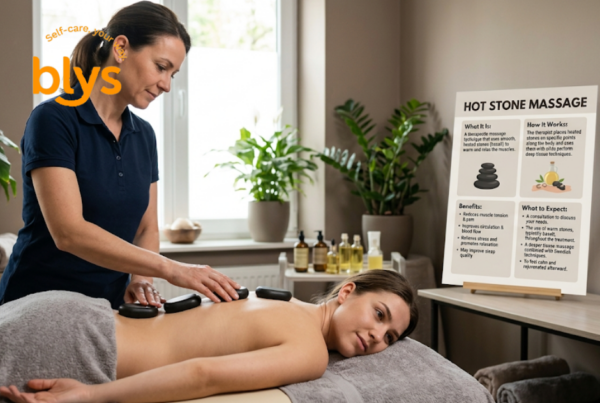
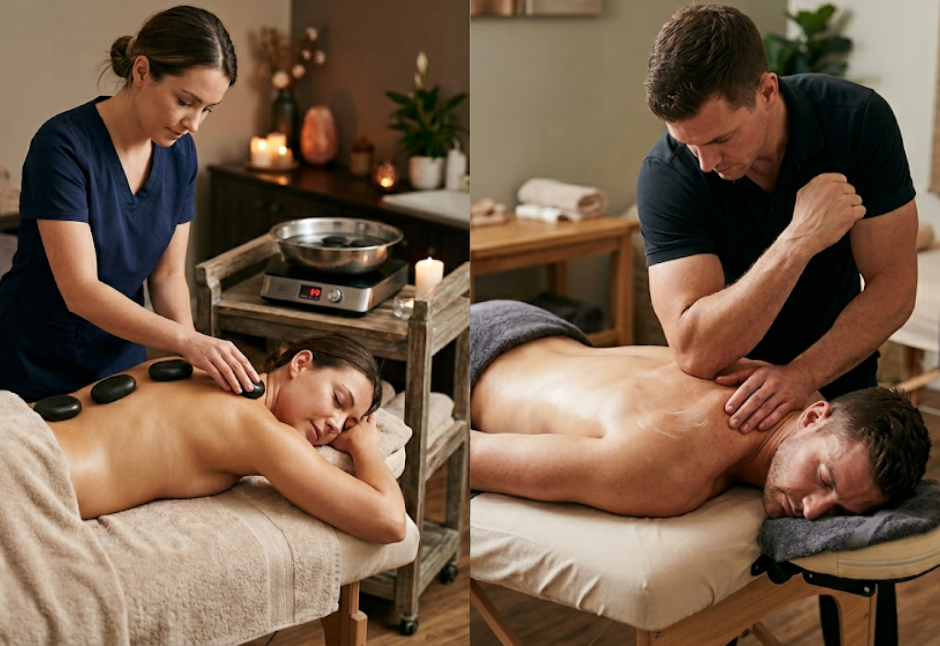
Hot stone massage uses smooth, flat basalt stones that are heated to between 50 and 60 degrees Celsius. Your therapist places them at key points along your back, legs, and sometimes your hands or feet, then uses them as a tool to glide across your muscles with oil.
The heat does a lot of the heavy lifting. Warmed muscles are more pliable, which means the therapist can work through tension without applying the kind of pressure that deep tissue requires. It’s a deeply relaxing experience, and the warmth tends to linger well after the session ends.
Hot stone massage is often compared to Swedish massage because both prioritise relaxation over intensity. The key difference is the temperature element, which amplifies the calming effect and helps increase circulation. If you’re curious about what to expect before your first session, the Blys guide to hot stone massage benefits is a good place to start.
Research published on PubMed supports thermotherapy’s effectiveness for pain relief and muscle relaxation, which aligns with why so many people find hot stone massage particularly useful for stress-related tension and general muscle soreness.
What Is Deep Tissue Massage?
Deep tissue massage works into the deeper layers of muscle and connective tissue using slow, firm strokes and sustained pressure. Unlike hot stone massage, it does not rely on heat. Instead, the technique focuses on targeted pressure to release tight areas, reduce muscle tension, and work through stubborn knots.
This style of massage is often recommended for people with chronic muscle tightness, sports-related strain, postural tension, or ongoing discomfort in areas like the neck, shoulders, and lower back. It can feel intense, especially over tight or restricted spots, but that sensation usually settles within a day or two and is often followed by improved mobility and reduced tension. If you want a closer look at the technique, benefits, and what happens during a session, read this guide on deep tissue massage and how it works.
Good communication matters during a deep tissue session. Pressure that is too light may not properly address the target area, while pressure that is too strong can leave you overly sore or bruised. A qualified therapist will check in throughout the treatment and adjust the pressure based on your comfort level and needs.
Research available through NCBI also points to the physiological effects of sustained pressure on muscle tissue, which helps explain why deep tissue massage is often recommended for long-standing muscular issues that lighter massage styles may not fully address.
How to Choose Between the Two
Most people fall somewhere on a spectrum between “I need to completely unwind” and “I have a specific problem that needs fixing.” Where you sit on that spectrum is the most reliable guide to which massage to book.
Choose Hot Stone Massage If…
Hot stone massage is usually the better fit when your body needs relief, but not the kind that comes from firm or intense pressure. It suits people who want to relax, ease general tension, and enjoy the added comfort of heat during the session.
- You’re dealing with general stress or anxiety and want your whole body and nervous system to slow down.
- Your muscles feel tight from everyday tension rather than from a specific injury, such as stiffness after a long week or poor sleep.
- You’re sensitive to pressure or new to massage and want something that feels gentler and more soothing.
- You want the added benefit of heat therapy to help improve circulation and soften muscle tightness.
If that sounds like what your body needs, hot stone massage can be a calming and effective option. The Blys overview of what hot stone massage involves is also worth reading if you want to know what to expect before you book.
Choose Deep Tissue Massage If…
Deep tissue massage is often the better option when relaxation is not the main goal and you need more focused work on a stubborn area. It is suited to people dealing with ongoing tightness, restricted movement, or muscle discomfort that needs more than gentle pressure.
- You have a specific knot, an area of chronic tightness, or recurring pain that has not improved with lighter massage or stretching.
- You are an athlete or physically active person who wants to support recovery and maintain mobility in hard-working muscle groups.
- You sit for long hours and have postural tension in your neck, upper back, shoulders, or hips that needs targeted treatment.
- You have had a remedial assessment, and a therapist has recommended deeper work for a particular muscle or fascial issue.
If your body needs more targeted relief rather than full-body relaxation, deep tissue massage may be the more effective choice. It can feel more intense during the session, but for the right issue, it often delivers more noticeable results.
What About Hot Stone vs. Swedish Massage?
Hot stone and Swedish massage are often compared because both are known for relaxation. For many people, this is the first decision point before considering deep tissue massage.
Swedish massage is the classic relaxation style. It uses long, flowing strokes, gentle kneading, and light to moderate pressure to improve circulation, ease surface-level tension, and support overall wellbeing. It is often a good starting point for people who are new to massage.
Hot stone massage offers a similar experience but includes heated stones throughout the treatment. The added warmth helps muscles relax faster, so the therapist can ease tension more effectively without using deeper pressure.
| Feature | Swedish Massage | Hot Stone Massage |
| Main focus | Relaxation and gentle tension relief | Relaxation with added heat therapy |
| Pressure level | Light to moderate | Light to moderate |
| Technique | Hands-on strokes and kneading | Massage combined with heated stones |
| Best for | First-time clients, general stress, mild tension | Stress, muscle tightness, and people who enjoy warmth |
| Overall feel | Calm and classic | Warm and deeply soothing |
If you want a simple, calming massage, Swedish is a reliable choice. If you want the same relaxing feel with added warmth and better relief for built-up tension, hot stone may suit you better.
Neither option is designed for deeper muscular issues. If you are dealing with a stubborn knot or long-term tightness, deep tissue massage is usually the better fit.
For a more detailed look at the heat-therapy side of things, the Blys hot stone massage benefits guide is worth a read before you decide.
Practical Things to Consider Before You Book
Both hot stone and deep tissue massage can be effective, but the right choice depends on your comfort level, health needs, and what you want from the session. Before you book, it helps to think about a few practical factors that can shape your experience and results.
1. Your Pain Tolerance
Deep tissue massage can be intense, particularly in areas with longstanding tension. If you’re sensitive to pressure, hot stone massage gives you many of the circulatory and muscular benefits without the discomfort. You can always work up to deeper pressure over time.
2. Your Current Health
Hot stone massage isn’t suitable for everyone. If you have a skin condition, certain circulatory conditions, or you’re pregnant, speak to your GP before booking any heat therapy. Deep tissue massage also has contraindications, including active inflammation, recent injuries, and some medications that thin the blood. When in doubt, disclose everything to your therapist before the session begins.
3. How Quickly You Need Results
If you have an event in two days and you’re carrying tightness from a long-haul flight, a hot stone session might be the smarter pick. It’ll leave you feeling loose and restored without the post-treatment soreness that sometimes follows deep tissue work. If you’re working on a longer-term issue, deep tissue massage is worth the temporary discomfort because the results tend to be more lasting.
4. How You Want to Feel Afterwards
A hot stone massage typically leaves you feeling calm, heavy-limbed, and warm the kind of relaxed where you don’t want to do much else for the rest of the day. Deep tissue massage can leave you feeling lighter and more mobile but occasionally sore for 24 to 48 hours while your muscles recover. Both outcomes are normal and expected for their respective modalities.
Wrapping Up
The choice between a hot stone and a deep tissue massage comes down to one simple question: are you trying to relax and restore, or fix a specific problem?
If it’s the former, a hot stone massage delivers warmth, calm, and muscular ease in a way that’s hard to match. If you’re dealing with persistent knots, postural tension, or chronic tightness that lighter work hasn’t shifted, deep tissue massage is the more targeted solution.
Of course, you don’t have to figure it all out before you book. Blys therapists are experienced in both modalities and can help you decide once they understand what you’re working with. Book a session through Blys and get a qualified therapist to your door, wherever you are in Australia.