 If you’re drawn to healthcare but want a career that is hands-on, varied, and financially rewarding, physiotherapy is worth a closer look. Salaries have risen steadily over the past decade, and demand for skilled practitioners continues to grow in many parts of the world. For school leavers, career changers, and anyone weighing up allied health pathways, it offers a mix of stability, purpose, and long-term opportunity.
Physiotherapy sits at the intersection of medicine, movement science, and patient care. It gives practitioners the chance to work closely with people through recovery, pain management, rehabilitation, and performance improvement. It also offers real variety, with opportunities to specialise in areas such as sports, neurology, paediatrics, or aged care depending on your interests.
That said, it is not a career to step into lightly. The pathway requires years of study, strong clinical skills, and the ability to manage both physical and emotional demands on the job. This guide looks at what physiotherapists really earn, how fast the field is growing, and whether the rewards outweigh the challenges.
What Does a Physiotherapist Do?
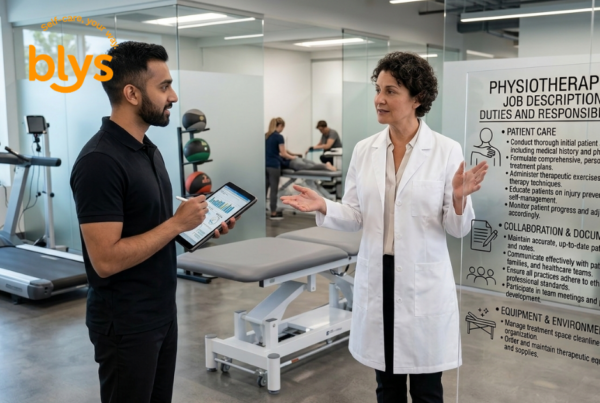
Physiotherapists help people improve movement, manage pain, restore function, and reduce the risk of long-term disability after illness, injury, or physical limitation. Their work can span everything from sports injuries and post-operative rehabilitation to neurological conditions, chronic pain, and mobility issues linked to ageing. According to the American Physical Therapy Association, physical therapists examine patients, create treatment plans, and adjust care over time to help improve mobility and function.
The role is more clinical and wide-ranging than many people expect. The Bureau of Labour Statistics says physical therapists review medical history, assess movement and physical function, diagnose dysfunction, develop care plans, use exercises and hands-on therapy, and track patient progress. They also work closely with other healthcare professionals, which means the job often sits within a broader multidisciplinary care model rather than in isolation.
Physiotherapists can work across hospitals, private practices, rehabilitation centres, nursing and residential care facilities, and home healthcare settings. That range is one reason the profession appeals to people looking for both clinical depth and career flexibility. It also helps explain why newer in-home and mobile service models, including platforms like Blys, are expanding what a modern physiotherapy career can look like.
How Much Do Physiotherapists Earn?
Let’s get straight to the numbers. According to the U.S. Bureau of Labor Statistics (BLS), the median annual wage for physiotherapists was $101,020 in May 2024. That places the profession firmly in the upper tier of allied health salaries, well above the national median for all occupations.
Entry-Level vs Experienced Pay
Physiotherapy pay tends to increase over time, especially as clinicians gain experience, move into better-paying settings, or build specialist expertise. There is a clear gap between early-career earnings and top-end salaries, with entry-level practitioners earning far less than those in senior, specialised, or higher-demand roles. This makes physiotherapy a profession with solid long-term earning potential rather than a flat salary pathway.
| Career stage | Typical annual pay | What usually influences it |
| Entry-level / lower end of pay range | Under $74,420 | New graduates have limited experience and often work in generalist roles in lower-paying settings. |
| Mid-career / median range | $101,020 | Solid clinical experience, broader caseloads, stronger autonomy, stable demand. |
| Top earners / highly experienced | Over $132,500 | Advanced experience, specialist skills, leadership roles, premium locations or service models. |
The jump from graduate-level pay to senior earnings can be substantial. Physiotherapists who pursue specialist pathways, take on more complex clinical work, or position themselves in better-paying environments often move well beyond the lower end of the pay scale over time.
Factors That Affect Your Salary
Physiotherapy salary is not based on experience alone. What you earn can also depend on your speciality, work setting, location, qualifications, and whether you stay employed or move into private practice.
Several factors can shape your earning potential:
- Specialisation: Physiotherapists who work in areas such as sports medicine, neurological rehabilitation, or geriatric care often earn more than those in general outpatient roles.
- Work setting: Private clinics, outpatient care centres, and home health services often offer higher pay than public hospital positions, though public roles may come with stronger stability and benefits.
- Location: Pay often rises in major cities and higher-cost areas, while some regional locations may offer added incentives due to workforce demand.
- Experience and qualifications: More clinical experience, postgraduate study, and advanced certifications can help you move into better-paid roles.
- Private practice ownership: Running your own clinic can lift your income, but it also comes with business risk, admin work, and greater responsibility.
These factors show that salary can vary widely across the profession. In many cases, earnings reflect not just how long you have worked but also the direction you take your career.
Job Outlook: Is Demand Growing?
The short answer is yes, and it is substantial. The BLS projects employment of physiotherapists to grow by 11% between 2024 and 2034, which is described as much faster than the average for all occupations. That translates to roughly 13,200 new job openings per year over the decade.
Several converging forces are driving this growth:
- An ageing global population: As populations age, demand for rehabilitation services, fall prevention, chronic disease management, and post-surgical recovery increases substantially.
- The shift away from opioids: Growing awareness of the risks associated with opioid-based pain management has increased referrals to physiotherapy as a first-line, evidence-based alternative.
- Rising rates of chronic conditions: Obesity, diabetes, and musculoskeletal disorders are becoming more prevalent globally, all of which drive demand for physiotherapy intervention.
- Expansion of sports and occupational health: Employers and sporting organisations are increasingly investing in preventive care, which creates strong demand for workplace and sports physiotherapists.
This growth means physiotherapy is one of the more secure career choices in allied health right now. If you’re weighing it against other health professions, the combination of strong job security, above-average salary, and meaningful work makes it a compelling option. For context on how allied health professionals are building flexible careers, it’s worth reading about how to become a mobile massage therapist, which shares some of the same patient-centred, hands-on appeal.
The Rewards of a Career in Physiotherapy
Beyond salary and job security, physiotherapy offers a level of job satisfaction that keeps many practitioners in the field for the long term. A big part of that comes from the chance to make a real difference in people’s lives. Whether it is helping someone walk again after surgery, supporting an older adult through recovery, or guiding an athlete back to sport, the work often feels meaningful in a very direct and visible way.
The role also stays engaging over time because the work is varied and mentally demanding. No two patients present in exactly the same way, so physiotherapists need strong clinical reasoning to assess problems, build treatment plans, and adjust care as recovery progresses. That constant problem-solving, paired with hands-on treatment, gives the profession a level of variety that many desk-based careers do not offer.
Physiotherapy also gives people room to shape their careers in different ways. Some stay in hospitals or private clinics, while others move into sports medicine, occupational health, research, education, or leadership roles. There is also growing space for independent and mobile work, which gives qualified physiotherapists more flexibility to build income outside traditional employment models.
The Challenges You Should Know About
Physiotherapy is a rewarding profession, but it also comes with real demands that should be considered before committing to the career path. Looking at the challenges early can help you decide whether the work, training, and lifestyle are the right fit for you.
- Education takes time and money: In many countries, physiotherapists need a high level of formal training before they can practise. In the US, this usually means completing a Doctor of Physical Therapy degree after an undergraduate qualification, which can be costly and time-intensive.
- The work is physically demanding: Physiotherapists spend long hours on their feet, use manual therapy techniques, and often assist with patient movement. Without strong body mechanics and good habits, physical strain and injury can become a long-term issue.
- The emotional load can be heavy: Working closely with people in pain, disability, or slow recovery can take a toll over time. Areas such as aged care, neurological rehabilitation, and palliative care can be especially demanding from an emotional standpoint.
- Opportunities can vary by location: Although the profession has strong overall demand, salary levels and job options are not the same everywhere. Major cities often offer more roles and higher pay, while some regional areas may have fewer openings despite ongoing need.
These challenges do not make physiotherapy a poor career choice, but they do show that success in the profession takes more than interest in health and movement alone. It requires resilience, commitment, and a realistic understanding of what the job asks from you over time.
Is Physiotherapy the Right Career for You?
If you’re drawn to a hands-on health career that combines science, movement, and genuine human connection, physiotherapy offers a strong case. The salary trajectory is solid, job growth is well above average, and the day-to-day variety keeps the work engaging across a long career. The pathway requires real commitment, but for most physiotherapists, the investment pays off.
Whatever allied health career path you’re exploring, the way people access health and wellness services is evolving. From in-room wellness experiences to mobile physiotherapy, practitioners who understand this shift will find plenty of opportunity. If you’re ready to explore how Blys connects clients with qualified health professionals, browse our services to see what’s possible.