 January often arrives with fewer social plans, yet the body can feel heavier than it did in December. After weeks of festive meals, alcohol, travel, disrupted sleep, and long stretches of sitting, it’s common to return to routine feeling bloated, sluggish, and mentally foggy.
This post-holiday heaviness has clear physical causes. Rich food and irregular eating can slow digestion, while increased salt and alcohol contribute to water retention. Poor sleep and reduced movement also affect energy levels, making it harder to feel alert and balanced in the early weeks of the year.
Rather than turning to restrictive cleanses or extreme detox plans, reflexology offers a gentler way to reset. By stimulating specific pressure points in the feet linked to key organs and systems, reflexology supports the body’s natural detox processes as you ease into healthier January habits.
What Detox Really Means
Detox is often confused with juice cleanses, fasting, or claims about removing unspecified toxins. In reality, the body already has effective detox systems, and extreme approaches can place unnecessary stress on digestion and energy levels. According to the Cleveland Clinic, organs such as the liver and kidneys naturally filter waste without the need for restrictive detox diets.
In practical terms, detox means supporting these systems so they function well. This includes the liver, kidneys, digestive tract, and lymphatic system, all of which can become sluggish after overindulgence, poor sleep, and inactivity.
Massage supports detox indirectly by improving circulation, encouraging lymphatic flow, and calming the nervous system. Reduced stress helps digestion and elimination work more efficiently, allowing the body’s natural detox processes to rebalance.
How Reflexology Works Through the Feet
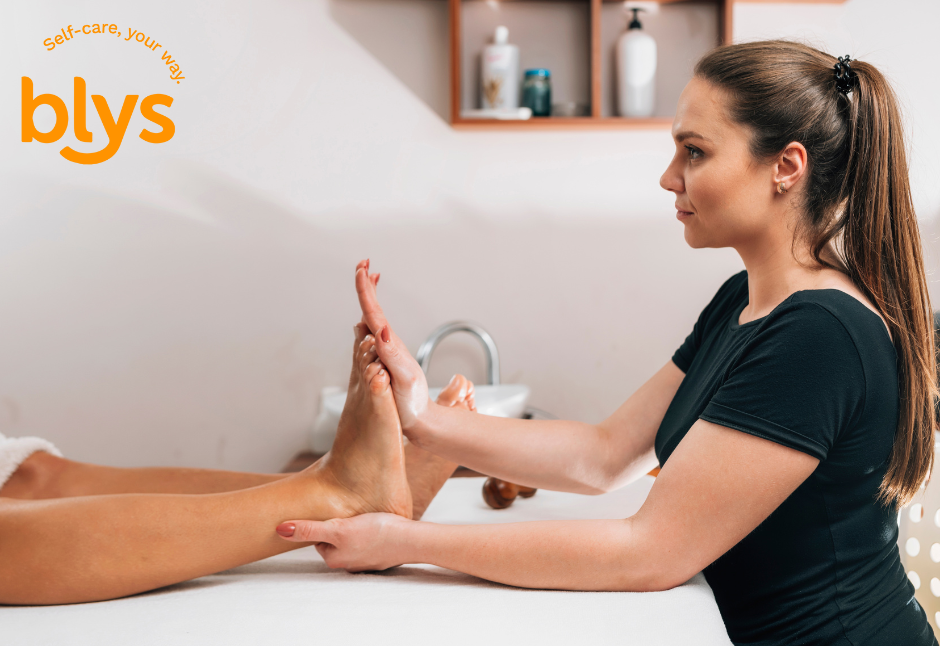
Reflexology is a targeted massage technique based on the idea that specific pressure points in the feet correspond to organs and systems throughout the body. By applying controlled pressure to these areas, reflexology aims to support balance and function beyond the feet themselves.
Why the feet play a central role:
- The feet contain thousands of nerve endings connected to the central nervous system.
- Stimulating the feet can help improve blood flow and circulation throughout the body.
- Working through the feet has a grounding effect, helping shift the nervous system out of a stressed state and into relaxation.
What reflexology typically feels like:
- Pressure is firm and focused, but not painful.
- Some areas may feel more sensitive, especially if the related system is under strain.
- Most people find sessions deeply relaxing, often feeling calmer and lighter by the end.
This combination of physical stimulation and nervous system support is what makes reflexology particularly suited to post-holiday recovery.
Key Reflexology Points That Support Natural Detox
Reflexology does not target detox as a single action. Instead, it works across several connected systems that help the body process, filter, and eliminate waste more efficiently. When these systems are supported together, the body tends to feel lighter, clearer, and more balanced.
Liver Reflex Points
The liver plays a central role after holiday indulgence, as it processes alcohol, fats, sugars, and metabolic by-products. Reflexology points linked to the liver are typically worked along the arch of the right foot.
Gentle stimulation may support metabolic processing and circulation to this area. After sessions, clients often report feeling less heavy, with improved energy or reduced feelings of internal sluggishness.
Kidney and Bladder Reflex Points
Kidney and bladder points are associated with fluid balance and elimination. These areas are commonly stimulated along the inner foot and heel. Supporting these reflex zones can help the body manage water retention more effectively, which is particularly relevant after salty meals and alcohol consumption. Clients often notice reduced puffiness and a greater sense of lightness following treatment.
Digestive System Reflex Points
Reflex zones for the stomach, intestines, and bowel run through the mid-foot area. After the holidays, digestion often slows due to irregular eating and richer foods. Reflexology may help encourage gut movement by stimulating these areas, supporting more regular digestion and easing bloating or discomfort that lingers into January.
Lymphatic System Reflex Points
The lymphatic system supports immune health and fluid movement, yet it relies heavily on body movement to function well. Reflexology points linked to lymphatic flow are worked to help reduce heaviness, puffiness, and fatigue. This can be especially helpful after busy social periods when the immune system feels run down.
Taken together, these reflexology points work as part of an interconnected system. Supporting digestion, filtration, circulation, and nervous system balance at the same time helps the body reset naturally, rather than treating detox as a single, isolated process.
Reflexology vs Other Detox-Focused Massages
Different massage styles support post-holiday recovery in different ways. Some focus on muscle relaxation, while others support circulation or fluid movement. Understanding these differences can help you choose what suits your body and schedule in January.
|
Massage Type |
Focus | What It Feels Like |
| Reflexology | Targeted pressure on foot reflex points linked to organs and systems |
Firm, focused, and calming |
| Gentle rhythmic movements to encourage lymph flow | Very light and slow | |
| Full-Body Relaxation Massage | Muscle relaxation and stress relief |
Flowing strokes with oils |
Reflexology often suits January because it feels accessible and low-effort. Sessions can be shorter, do not require oils or full undressing, and work well when energy is low or routines are still settling.
For people feeling heavy, bloated, or mentally foggy rather than physically sore, reflexology can be a practical first step. It supports multiple systems at once without placing extra strain on the body, making it well suited to a gentle post-holiday reset.
Who Benefits Most from Reflexology After the Holidays
Reflexology is well suited to people who feel out of rhythm after the holidays rather than unwell. It offers gentle support during the transition back to routine, without placing extra demands on already tired bodies.
It may be particularly helpful for:
- Office workers returning to sedentary routines, where long hours of sitting can slow circulation and digestion
- Parents managing school drop-offs, work schedules, and reduced personal downtime, which often heightens stress and fatigue
- People easing back into exercise after a break, as reflexology can support circulation and recovery while the body readjusts
- Anyone feeling mentally foggy, bloated, or low in energy without a specific health issue
Research shows that reflexology may help reduce stress and promote relaxation, which can positively influence digestion, sleep, and overall wellbeing during periods of transition. This makes it a practical option for early January, when energy is still rebuilding rather than fully restored.
How Often Should You Book Reflexology in January?
There’s no single schedule that suits everyone in January. How often you book reflexology depends on how your body feels as you return to routine and how much time you realistically have.
Common booking approaches include:
- A one-off session as a gentle reset after the holidays, especially if you’re feeling bloated, heavy, or mentally foggy
- A short series of sessions spaced one to two weeks apart if sluggish digestion or low energy persists into mid-January
Reflexology is easy to fit around work and family life because it does not require recovery time. Sessions can be booked in the evening or on weekends, and even shorter appointments can be effective during busy weeks.
To support results between sessions, reflexology pairs well with:
- Regular walking to encourage circulation.
- Consistent hydration to support elimination.
- Lighter, balanced meals as appetite normalises.
For a smoother start to the year, booking reflexology massage at home with Blys helps you avoid commuting, parking, or rushing, making self-care easier to maintain in early January.
At-Home Reflexology vs Clinic Appointments
In January, convenience often determines whether self-care actually happens. When routines are still settling, choosing an option that fits easily into daily life makes follow-through more likely.
|
At-Home Reflexology |
Clinic Appointments |
| No travel, parking, or waiting rooms |
Requires commuting and planning around traffic |
|
Easy to book for evenings or weekends |
Often limited to clinic hours |
| Familiar, relaxed home environment |
Clinical setting may feel rushed |
|
Fewer barriers to |
ance of postponing |
At-home sessions encourage follow-through by removing common obstacles such as travel time and scheduling stress. When reflexology comes to you, it’s easier to maintain care even during busy weeks.
Blys therapists bring everything needed for the session, so there’s no setup or preparation required. This allows reflexology to fit naturally into real routines, making it a practical choice for easing back into January without adding pressure.
Making Reflexology Part of a Sustainable January Reset
Reflexology is best viewed as support rather than a fix. It helps the body rebalance as routines return, without the pressure of dramatic change or quick results.
Simple habits can enhance its effects, such as earlier nights to restore sleep, balanced meals to ease digestion, and gentle movement like walking to support circulation. These small adjustments work alongside reflexology without adding strain.
Letting go of “perfect” January routines is important. A slower, supportive approach allows the body to reset at its own pace, making reflexology a practical part of a sustainable start to the year.
A Detox That Doesn’t Disrupt Your Life
Detox does not need to mean restriction, pressure, or drastic change. In January, support is often more effective than discipline, especially when the body is still recovering from weeks of disrupted routines.
Reflexology offers a low-effort, high-impact way to encourage balance without adding stress. By working with the body’s natural systems, it supports digestion, circulation, and relaxation while allowing you to ease back into everyday life at a steady pace.
If you’re looking for a calmer way to reset, booking reflexology massage at home with Blys allows you to prioritise care without commuting, rushing, or rearranging your schedule. It’s a simple step toward healthier January habits that fit real life.