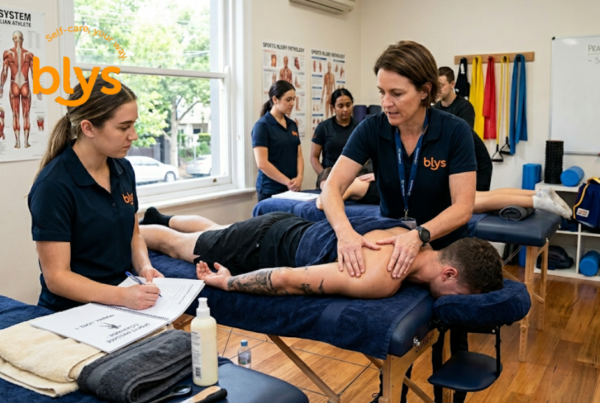
 If you’ve ever tried to choose between sports massage vs deep tissue and ended up going in circles, you’re not the only one. On paper they look similar; both target deeper muscle tissue, both go well beyond a standard relaxation session, and both are available to book through Blys with a vetted, insured provider coming directly to you. But they’re built for different problems, and picking the wrong one can mean leaving a session feeling fine without ever addressing what was actually holding you back.
Whether you’re a regular gym-goer managing cumulative fatigue, someone carrying months of tension from long hours at a desk, or an athlete working through a heavy training block, getting this choice right matters. The good news is the distinction is clearer than most articles make it out to be and once you understand it, booking the right session becomes straightforward.
This post explains exactly how sports massage therapy and deep tissue massage differ in technique, purpose, and outcome. By the end, you’ll know which one suits your body right now and how to get a professional provider to your door to deliver it.
Is Sports Massage Only For Athletes?
The short answer is no and this misconception stops a lot of people from booking the session that would actually help them most. Sports massage therapy is a performance-focused, technique-driven modality built around how the body moves, loads, and recovers. The “sport” in the name refers to the application logic, not the target audience.
A good sports massage therapist works with context. They factor in what your body has done recently, where you are in a training or activity cycle, and how your muscles are compensating then treat accordingly. That’s a very different approach from working through a standard sequence of techniques regardless of what you walked in with. One of the advantages of booking a mobile session is that providers you book through Blys often ask these questions before they arrive, so the session is shaped before it even begins.
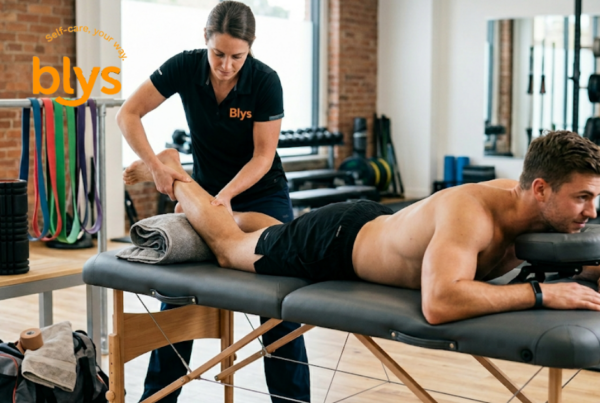
In practice, sports massage draws from effleurage, petrissage, compression, friction, and assisted stretching applied based on whether you need stimulation, recovery, or maintenance work. Pre-event sessions are faster and more activating. Post-event sessions focus on flushing metabolic waste and calming an overworked nervous system. Maintenance sessions, the ones most active people benefit from most, address accumulated restriction before it becomes an injury.
Sports massage also incorporates assisted range-of-motion work. A tight hip flexor affecting your running stride, restricted thoracic rotation limiting your pull stroke, or compressed shoulder tissue reducing your overhead range – these are functional problems that sports massage is built to address. If your body is regularly under physical demand from sport, gym sessions, manual work, or recreational running, sports massage therapy is the right modality for that kind of body.
For a full breakdown of what sports massage covers at each stage of training, this guide to sports massage for recovery and performance is worth bookmarking.
When Does Deep Tissue Massage Work Better Than Sports Massage?
Deep tissue massage is more condition-driven than performance-driven. It targets the deeper layers of muscle and connective tissue using slow, sustained strokes and deliberate pressure, with the aim of breaking up adhesions, dense areas of restricted tissue that form in response to chronic tension, repetitive posture, or previous injury and restoring mobility to areas that have essentially locked up over time.
Where sports massage responds to what your body has been doing, deep tissue responds to what your body is currently holding. Common presentations that respond well include chronic neck and shoulder tension, persistent lower back stiffness, postural issues from prolonged sitting, and areas of localised muscle guarding that haven’t resolved with stretching or rest.
The pace is slower and more methodical than most people expect. A skilled provider sinks into a layer of tissue, waits for it to release, then progresses deeper precision over force. It can involve some discomfort over restricted areas, and that’s normal. There’s a meaningful difference between productive pressure and pain, and professional providers you book through Blys will check in and adjust throughout.
Research published on PubMed supports its use for chronic musculoskeletal pain. A 2014 systematic review in Scientific World Journal found massage therapy produced clinically meaningful reductions in chronic low back pain compared with sham treatments and other active therapies.
One practical consideration worth raising here: deep tissue sessions often produce post-treatment soreness that develops over the following few hours. Booking at home through Blys means there’s no commute after the session; you go from the table to your own space, which is exactly where your body needs to be while that recovery process plays out.
Sports Massage vs Deep Tissue: Which One Matches Your Situation?
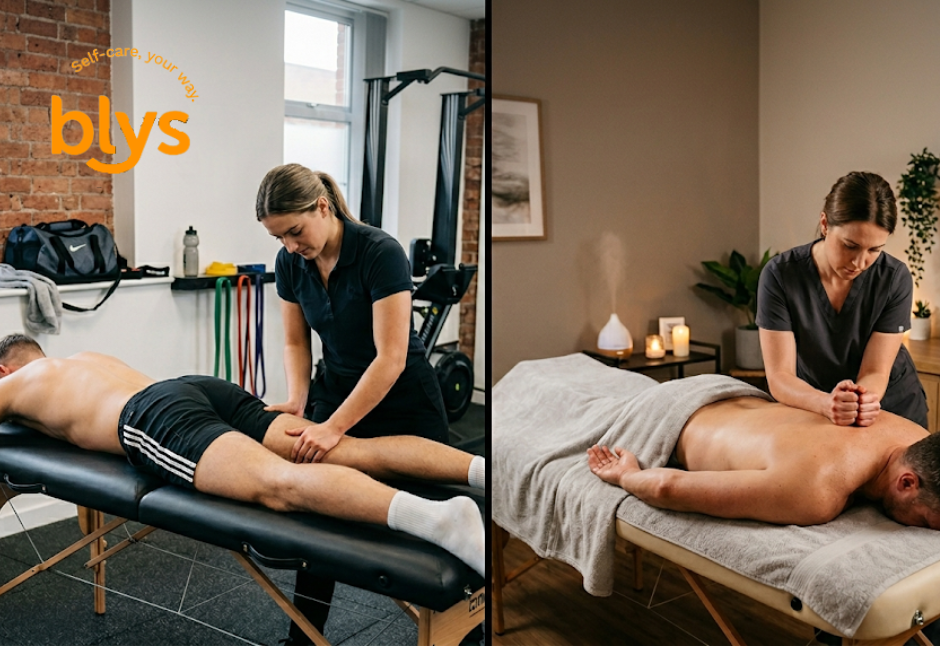
The clearest way to separate them: sports massage is built around performance and training load; deep tissue is built around chronic restriction and structural tension. They share techniques, but they solve different problems. Here’s how to read which one your body is asking for.
Book a sports massage when…
- You train regularly and want to stay ahead of cumulative fatigue and injury risk
- You’re preparing for a race, competition, or physically demanding event
- A specific area of tightness is affecting how you move or perform hip flexors, calves, shoulders, thoracic spine
- You want bodywork that accounts for your training load, not just your current symptoms
- You’re in a heavy block and want active recovery support between sessions
Weekend and recreational athletes often find sports massage more targeted to their needs than anything else on offer. Sports massage for weekend warriors covers how regular active people can use it to train harder and recover smarter.
Deep tissue tends to be the better fit when…
- You’re carrying chronic tension that hasn’t shifted with stretching, rest, or lighter massage
- Long hours at a desk have created postural tension in the neck, shoulders, or lower back
- You want sustained, focused pressure on a specific area over a longer period
- You’re not currently training but need targeted muscular work to address pain or restriction
- A previous injury or period of overuse has left adhesions in a specific area
If desk-driven tension is your main issue, sports massage for desk workers explains how both modalities can work together for people whose biggest physical stressor is their work setup rather than their training.
The line between these modalities isn’t always rigid. Many experienced providers you book through Blys are skilled across both and will adapt their approach based on what they feel during the session. If you’re genuinely unsure, note your goals and physical history when you book; a trusted provider will calibrate from there.
Why Booking At Home Gives You A Better Recovery Window
Here’s the insight that the standard sports massage vs deep tissue comparison articles almost never mention: what you do in the hour after your session shapes how your body actually responds to the work.
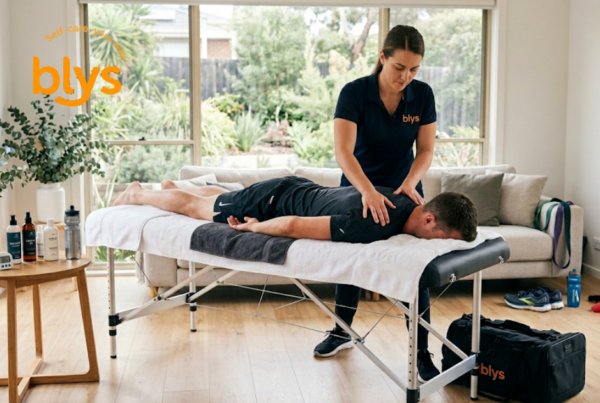
When you book through Blys, a vetted, insured provider comes to your home which means there’s no commute on the other end. No sitting in traffic. No rideshare wait. No stiff chair in a reception area. After either a sports massage or a deep tissue session, your muscles are in an active recovery state: tissue has been mobilised, circulation is elevated, and your nervous system is recalibrating. Staying warm and horizontal in that window locks in the work your provider just did.
This is consistently one of the most underrated advantages of mobile sports massage: you go from the table to your couch, not from the table to 40 minutes in a car. For deep tissue sessions, especially where post-session soreness tends to develop over the following hours, being already home makes a measurable difference to how recovery unfolds.
There’s also the scheduling reality. Mobile booking through Blys means you can arrange a post-training sports massage for the evening you actually finish training, not the one that happens to fit a clinic calendar.
Explore all available sessions on the Blys sports massage page, or browse the full service range at Blys.
How To Decide Before You Book
Two questions will usually get you to the right answer quickly.
First, is your issue tied to physical training, performance, or an upcoming event? If yes, sports massage vs deep tissue leans towards sports massage. It’s built for a body under physical demand, and it works with that context rather than around it.
Second, are you dealing with chronic tension, structural restriction, or localised pain that’s been present regardless of training? Deep tissue is the more targeted starting point.
If neither feels like a clean fit, remedial massage is worth considering. Remedial providers you book through Blys assess what’s going on at the start of the session and adapt their approach accordingly. The goal is always the right outcome, not the right label on the booking.
One last thing, your first sports massage or deep tissue session gives the provider their most valuable data. They’ll map which areas are restricted, how your body responds to different pressure levels, and what’s likely driving your symptoms. That information makes every follow-up session sharper, which is why people who book consistently tend to notice compounding results over time.
Which Massage Gets You To Your Goal Faster?
Sports massage vs deep tissue isn’t really a competition; they’re two different tools for two different jobs. Sports massage follows your training cycle and keeps your body performing. Deep tissue targets chronic restriction and restores what’s been locked up. Knowing which one fits your situation right now means you’re not just booking a session; you’re investing in the right result.
Whether you’re recovering from a hard week of training, trying to shift tension that’s been building for months, or simply ready to make bodywork a consistent part of how you take care of yourself, the professional, trusted providers you book through Blys will meet you where you are literally, in your home, on your schedule, with a session built around your body and your goals. Book through Blys and find out what the right session actually feels like.