As 2026 begins, many Australian families are focusing less on reactive care and more on steady, ongoing wellbeing for older adults. Supporting comfort, mobility, and independence early in the year can make a meaningful difference over time.
Home care packages are designed to support seniors living at home, with flexible funding that can be planned across approved services. January is a practical time to review these budgets and arrange regular support before they escalate.
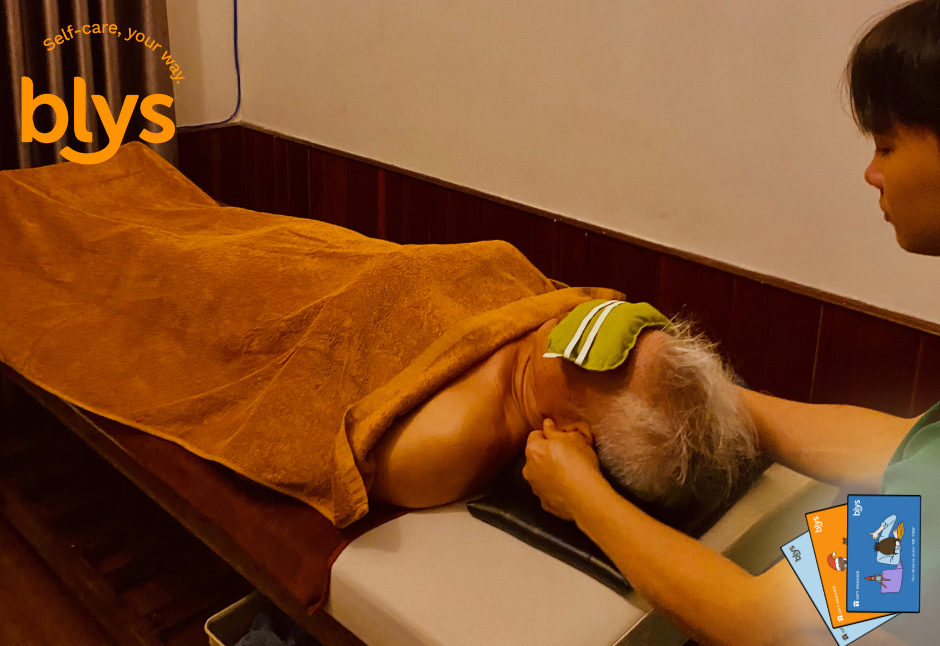
Massage and body-based care can be included within home care package plans when aligned with wellbeing goals. Delivered at home, these services offer comfort, dignity, and convenience. Mobile providers like Blys help make professional care accessible without the need to travel.
Understanding Home Care Packages in Australia
Home Care Packages (HCPs) are Australian Government–funded programs that support older people to live independently at home. Delivered through My Aged Care, these packages are designed to be flexible, allowing services to be tailored to individual needs and priorities.
There are four package levels, with funding that can be allocated across approved supports such as personal care, domestic assistance, transport, and selected body-based or allied health-style services. The aim is to support daily function, comfort, and quality of life, not just respond to health declines.
However, funding alone does not guarantee better outcomes. Research notes that services should be planned around care goals to be effective. Without clear planning, funds can remain unused while wellness gradually declines, making early-year organising especially important.
Can Home Care Packages Be Used for Massage?
Yes, Home Care Packages can be used for massage when the service supports an older person’s assessed needs and agreed care goals. Under guidance from My Aged Care, services funded through a package should directly contribute to daily comfort, mobility, and independence at home.
Massage is typically approved within Home Care Package plans when it fits clearly within these parameters:
- Supporting everyday mobility and movement: Massage may be used to help manage stiffness or reduced flexibility that affects walking, standing, or completing daily tasks safely.
- Enhancing comfort rather than providing medical treatment: Unlike physiotherapy, massage under an HCP is not clinical or diagnostic. It focuses on relaxation, muscle ease, and physical comfort as part of daily living.
- Complementing personal care and allied health support: Massage often works alongside services such as personal care, exercise programs, or mobility support without replacing clinical treatment.
- Aligning with clear care goals: Approval is more likely when massage is linked to goals like staying active, reducing discomfort, or maintaining independence at home.
- Being delivered safely in the home: In-home services reduce travel strain and support consistency, especially for seniors with limited mobility.
Families and care coordinators can explore in-home massage options that align with Home Care Package goals through Blys’ mobile services, supporting regular, accessible care at home.
Why Regular Massage Matters More Than Occasional Sessions
For seniors, regular massage often provides more lasting support than one-off sessions. When care is consistent, it helps maintain everyday comfort and ease, rather than offering short-term relief that quickly fades. Over time, routine support can feel more predictable and better suited to changing needs with age.
Consistency supports lasting comfort
Occasional massage may provide short-term relief, but its effects often fade quickly. Regular sessions help maintain muscle relaxation and joint ease between visits, reducing the cycle of relief followed by recurring stiffness. This steady approach supports comfort as part of daily living rather than as a temporary reset.
Supporting everyday movement and ease
Consistent massage can make everyday movements feel less restrictive for seniors. Activities such as getting out of bed, walking around the home, or sitting for longer periods can feel more manageable when muscles are regularly supported and relaxed.
Managing stiffness without over-medicalising care
Stiffness and reduced circulation are common with ageing, but they do not always require clinical intervention. Regular massage offers a gentle, non-invasive way to support physical ease without framing everyday discomfort as a medical problem. The focus remains on maintaining movement rather than treating symptoms.
Emotional reassurance through routine touch
Beyond physical benefits, routine massage can support emotional wellbeing. Research from the Australian Institute of Health and Welfare highlights that social connection and supportive care play a role in older Australians’ quality of life. Regular, respectful touch can help reduce feelings of isolation and promote a sense of calm and reassurance over time.
Why January Is the Ideal Time to Start Regular Care
January is a sensible time for seniors and their families to organise regular care, especially when using home care packages. Early in the year, care plans and budgets are often reviewed through My Aged Care, making it easier to plan services without urgency.
By planning ahead, you can prevent rushed spending later in the year and distribute support evenly over time. This leads to more consistent care rather than short bursts of service.
Starting early also makes it easier to build a routine. Predictable scheduling supports follow-through and reduces the likelihood of long gaps between sessions. Instead of reacting to discomfort as it arises, January planning allows care to support comfort and mobility steadily across the year.
Wondering how massage supports seniors? Our guide on aged care massage benefits explains how in-home care supports comfort and mobility.
Common Challenges Seniors Face Without Regular Body Care
Without regular body-based support, gradual changes can affect a senior’s comfort, confidence, and daily independence.
- Reduced mobility and stiffness: Muscles and joints may stiffen over time, making everyday movement feel harder.
- Increased reliance on pain relief: Ongoing discomfort can lead to greater dependence on medication.
- Lower confidence in movement: Physical unease may cause seniors to move less and avoid activity.
- Reduced physical contact and connection: Limited mobility can also reduce opportunities for touch and social interaction.
- Gentle massage as supportive care: Regular, gentle massage can help support comfort, ease of movement, and relaxation alongside other services.
According to the Australian Institute of Health and Welfare, maintaining physical function and social connection plays an important role in healthy ageing. Planned, consistent care helps address these challenges early, rather than responding after they escalate.
In-Home Massage vs Clinic Visits for Seniors
Choosing where care is delivered can significantly affect how comfortable and sustainable it feels for older adults. For many seniors, in-home services offer practical advantages over clinic-based appointments.
|
Consideration |
In-Home Massage | Clinic Visits |
| Travel and physical effort | No travel required, reducing strain and fatigue. |
Requires transport, walking, and waiting. |
|
Environment |
Familiar, comfortable home setting. | Unfamiliar or busy clinical environment. |
| Infection exposure | Reduced exposure to public spaces. |
Higher exposure in shared waiting areas. |
|
Scheduling ease |
Flexible and built around daily routines. | Fixed appointment times and travel planning. |
| Access barriers | Suitable for limited mobility or transport challenges. |
Can be difficult for those with mobility issues. |
For seniors using home care packages, in-home massage removes common barriers that often prevent consistent care. Mobile services allow support to fit naturally into daily life, making it easier to maintain regular sessions without added stress.
How Blys Supports Seniors Using Home Care Packages
Blys supports seniors and families who want to use Home Care Package funding in a practical, low-stress way. By delivering massage directly to the home, Blys helps remove common barriers to regular care while keeping services aligned with comfort, mobility, and independence goals.
- In-home, mobile service: Massage is delivered at home, removing travel and reducing physical strain.
- Qualified, insured therapists: Therapists are fully qualified, insured, and experienced in working with older clients.
- Flexible scheduling: Sessions can be arranged around daily routines and carer availability.
- Clear, professional care: Services are delivered with clear communication, respect, and consistent standards.
- Complements existing care: Massage can sit alongside personal care and other approved supports.
For families planning ahead in 2026, Blys offers a simple way to include regular, in-home massage within a home care package, supporting ongoing wellbeing without adding complexity to existing care arrangements.
Coordinating Massage With Other Home Care Services
Massage works best when it is planned alongside other home care package services. When coordinated properly, it can support comfort and ease without overlapping with clinical or personal care.
|
Service type |
How massage supports it |
| Personal care |
Promotes relaxation around daily care routines |
|
Allied health-style support |
Supports movement without replacing treatment |
| Domestic assistance |
Helps daily tasks feel less physically demanding |
|
Care coordination |
Aligns with agreed wellbeing goals |
Clear communication with care coordinators helps keep services aligned and avoids duplication. Simple, well-planned care arrangements make regular support easier to maintain for seniors and carers.
Looking for at-home options? Our guide on in-home massage for seniors explains how regular, home-based care supports comfort and independence.
What Families and Carers Should Know When Planning Care
Families and carers often help shape how Home Care Package services are used. Planning thoughtfully ensures care supports wellbeing without reducing independence.
- Advocating clearly: Link massage to goals like comfort, mobility, or daily ease.
- Asking practical questions: Check qualifications, experience with seniors, and insurance.
- Keeping records simple: Document care goals, schedules, and provider details.
- Respecting independence: Support decision-making without taking control.
Using a calm, organised approach makes it easier to adjust services over time as needs change. When care is planned collaboratively, seniors are more likely to feel supported rather than managed, helping home care package services remain effective, respectful, and sustainable throughout the year.
A Calmer, More Supported Year Ahead With Blys
Ageing care in 2026 does not need to be reactive or rushed. With thoughtful planning, home care packages can provide steady, empowering care that prioritises comfort, mobility, and independence throughout the year. Regular massage fits within this approach as supportive care, helping seniors feel more at ease day to day rather than responding only when discomfort escalates.
Planning early makes a difference. Organising services at the beginning of the year allows care to be consistent, predictable, and better aligned with changing needs. When delivered at home, massage can also offer reassurance, dignity, and ease without adding stress or disruption.
Explore regular, in-home massage services with Blys as part of a balanced home care package plan, and support a calmer, more comfortable year ahead for seniors in your care.