 If you have ever left a massage feeling genuinely better and thought, “I could do this for a living,” you are not alone. Massage therapy is one of Australia’s growing allied health careers because it combines practical skill with real impact on people’s wellbeing. Before you enrol in a course or pursue the work seriously, it helps to understand what the role involves day to day and what it takes to build a sustainable career.
This guide covers the key essentials: the role of a massage therapist, the skills and qualifications required, earning potential, and the career paths available once you are qualified. Whether you are still exploring the idea or already in training, you will find clear and practical information here.
What Does a Massage Therapist Do?
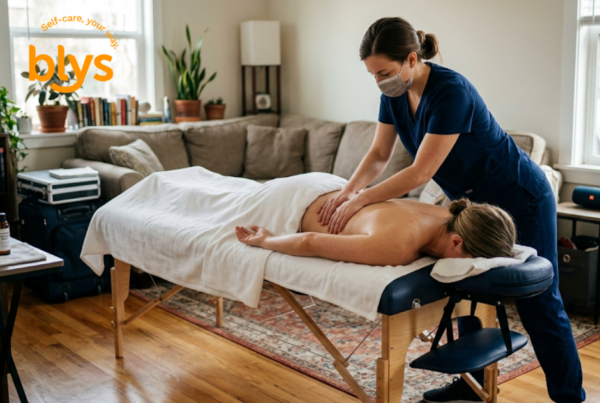
At its core, the job of a massage therapist is to assess and treat muscular tension, pain, and dysfunction using hands-on techniques. But the role goes well beyond just applying pressure to sore muscles.
A qualified massage therapist will typically:
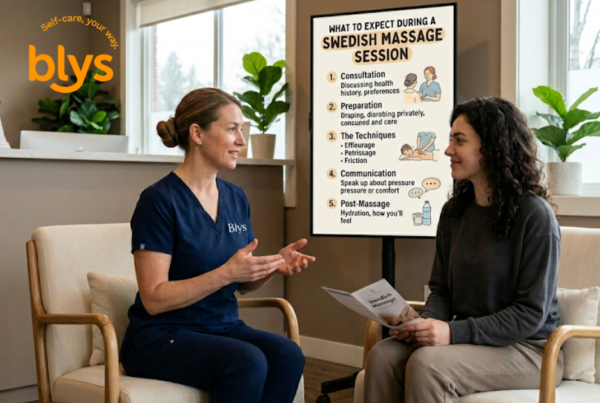
- Conduct an initial client consultation to understand health history, lifestyle, and treatment goals.
- Assess posture, movement, and areas of tension or injury.
- Develop a treatment plan tailored to the individual client.
- Apply a range of techniques, including Swedish, deep tissue, remedial, sports, and relaxation massage.
- Provide home care advice, stretching recommendations, and referrals where appropriate.
- Maintain accurate client notes and adhere to professional and ethical standards.
The scope of practice varies depending on the type of massage. Remedial massage therapists work in more of a clinical context, often treating specific injuries or chronic conditions alongside other health professionals. Relaxation and wellness therapists focus on stress relief, recovery, and general wellbeing. Many practitioners offer both.
For a deeper look at the different types of massage and how to match a style to your needs, the Better Health Channel offers a useful overview of modalities and their therapeutic applications.
Where Do Massage Therapists Work?
One of the genuine advantages of this career is flexibility. The working environments for massage therapists are varied, and many practitioners move between settings as their careers evolve.
Private Clinics and Wellness Studios
Many therapists are based in multidisciplinary health clinics alongside physiotherapists, chiropractors, and osteopaths. This setup works well for remedial practitioners because there is a natural referral pathway between disciplines. Wellness studios tend to attract clients seeking relaxation and stress management rather than clinical treatment.
Mobile and At-Home Massage
Mobile massage is a growing part of the industry, with more clients booking treatments at home, in hotels, or at work. For therapists, it offers a flexible way to build a client base without the ongoing costs of a clinic.
| Aspect | What it can offer |
| Flexibility | The option to choose your own hours and workload. |
| Lower overheads | No clinic lease, reception costs, or permanent treatment room expenses. |
| Broader client reach | Access to clients who prefer treatment at home, at work, or while travelling. |
| Practise growth | A way to build a client base without relying only on one physical location. |
Platforms like Blys support this shift by connecting qualified therapists with clients across Australia. For therapists who are already qualified and want to grow their practice, mobile work can be a practical and flexible career option to consider.
Corporate and Events
Corporate and event massage is a strong niche for therapists who want shorter sessions and repeat booking potential. This work often includes seated chair massage at offices, wellness days, conferences, and private events.
Sessions are usually brief and focused on quick relief for desk-related tension in areas such as the neck, shoulders, upper back, and arms. Because of that, therapists need to work efficiently, adapt quickly between clients, and feel comfortable in busier settings. For experienced practitioners, it can be a solid income stream with good hourly rates and ongoing corporate opportunities.
Spas, Resorts, and Cruise Ships
These roles can appeal to therapists who want a more structured setting and the chance to work in travel-related environments.
- Travel appeal: A chance to work in hotels, resorts, or on cruise ships in different locations.
- Structured work: More fixed hours and set rosters than freelance or mobile massage.
- Staff benefits: Some roles may include accommodation or other workplace perks.
- Less flexibility: You usually have less control over your schedule.
For some therapists, this path offers a good balance of steady work, professional experience, and a change of scenery. It can be a strong option if you value stability and enjoy working in hospitality-led wellness settings.
Skills and Qualifications You Need
Becoming a massage therapist in Australia requires formal training. The minimum qualification for remedial massage is a Certificate IV in Massage Therapy, though many practitioners complete a Diploma of Remedial Massage to gain private health fund recognition and a broader clinical skill set.
According to research, registration with a professional association is not legally mandated but is effectively essential for private health fund rebates and professional credibility. Most clients will ask whether you are a registered practitioner.
Beyond qualifications, the skills that distinguish good therapists include:
- Strong anatomical and physiological knowledge
- Excellent manual dexterity and physical stamina
- Active listening and client communication skills
- Empathy and a genuine interest in people’s well-being
- Professionalism, reliability, and time management
- Business and self-promotion skills for those running their own practice
You can find more detail on qualification pathways and professional standards through Massage and Myotherapy Australia, the industry’s peak body.
Massage Therapist Salary and Career Outlook in Australia
Earnings for massage therapists in Australia vary depending on employment type, location, and specialisation. Employed therapists in clinics and spas typically earn between $55,000 and $75,000 per year, while self-employed practitioners can earn considerably more once they build a consistent client base.
Mobile and platform-based work can be particularly lucrative. Therapists working through services like Blys set their own availability and take on bookings that suit their schedule, with no desk time or admin overhead eating into their earning hours.
The broader career outlook is positive. Australia’s ageing population, growing interest in preventative health, and increased workplace wellness investment are all driving demand for qualified massage therapists. The role sits within the wider allied health and wellness sector, which has shown consistent year-on-year growth.
For current data on employment conditions and job outlook in the allied health sector, Healthdirect Australia provides reliable background on the health workforce landscape.
Career Paths and Growth Opportunities
Massage therapy can lead to more than one long-term career path. As you build experience, there are several ways to grow your skills, increase your earning potential, and shape your work around the areas that interest you most.
Some therapists stay focused on hands-on treatment, while others move into teaching, business ownership, or related health fields.
Common growth paths include:
- Specialising in a niche: Areas such as sports massage, pregnancy massage, lymphatic drainage, or oncology massage can help you build deeper expertise.
- Moving into education: Experienced therapists may go on to teach at a TAFE, college, or private RTO.
- Opening your own clinic: Running a studio or private practice gives you more control over your services, branding, and client experience.
- Building a corporate wellness stream: Some therapists expand through office massage, workplace wellness days, and repeat business clients.
- Expanding into related fields: Further study can lead into complementary areas such as myotherapy or exercise physiology.
It can also help to look at the industry from both sides. Reading a guide on the massage therapist job description can give you a clearer sense of what employers value, while our guide on how to choose the right massage therapist shows what clients tend to look for when they book. Together, those insights can help you decide where to focus your professional development next.
Is Massage Therapy the Right Career for You?
Massage therapy offers something genuinely rare: a career that is physically engaging, personally rewarding, and commercially viable. The job of a massage therapist is not just about technique; it is about building trust, making a real difference to someone’s day, and doing work you can feel proud of.
If you are already qualified and want to grow your practice, working with Blys is one of the most straightforward ways to expand your client base and take control of your schedule. You can explore how it works and what Blys offers therapists. For those just starting out, the investment in a solid qualification and professional registration sets you up for a long, sustainable career in a field that is only growing.