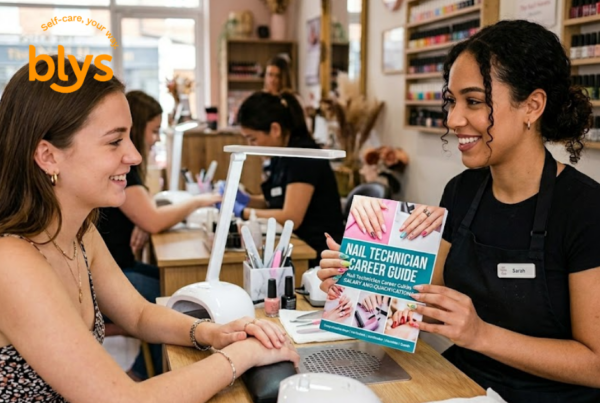
 If you have ever watched a nail technician work, you will know the job involves much more than it seems. A good set of nails takes skill, precision, and attention to detail, from shaping and prep to colour application and clean finishing. What may look straightforward from the salon chair often takes real training and practice to do well.
The role is also about more than appearance. Nail technicians need strong hygiene habits, product knowledge, time management, and the ability to make clients feel comfortable and looked after. Whether they are doing a simple manicure, gel polish, or detailed nail art, they combine practical skill with client care every day.
For anyone thinking about a career in beauty, nail technology can be a flexible and rewarding option. This guide looks at what nail technicians actually do, the tools they use, where they work, and what it takes to build a career in Australia.
What Is a Nail Technician?
A nail technician is a trained beauty professional who specialises in the care, maintenance and enhancement of fingernails and toenails. Unlike a general beauty therapist who may cover waxing, facials and body treatments, nail technicians focus specifically on nails and they typically do it with a level of expertise that comes from dedicated, hands-on training.
In Australia, most nail technicians complete a Certificate III in Nail Technology (SHB30121), which is a nationally recognised qualification covering everything from safe product handling and infection control to advanced sculpting techniques. Some move on to a Certificate IV or diploma to expand into teaching or salon management.
The role sits within the broader beauty industry, and nail technicians may work alongside beauty therapists, makeup artists and hairdressers. It’s a service-based profession built on building trust with clients and delivering consistent, high-quality results.
What Do Nail Technicians Do Day to Day?
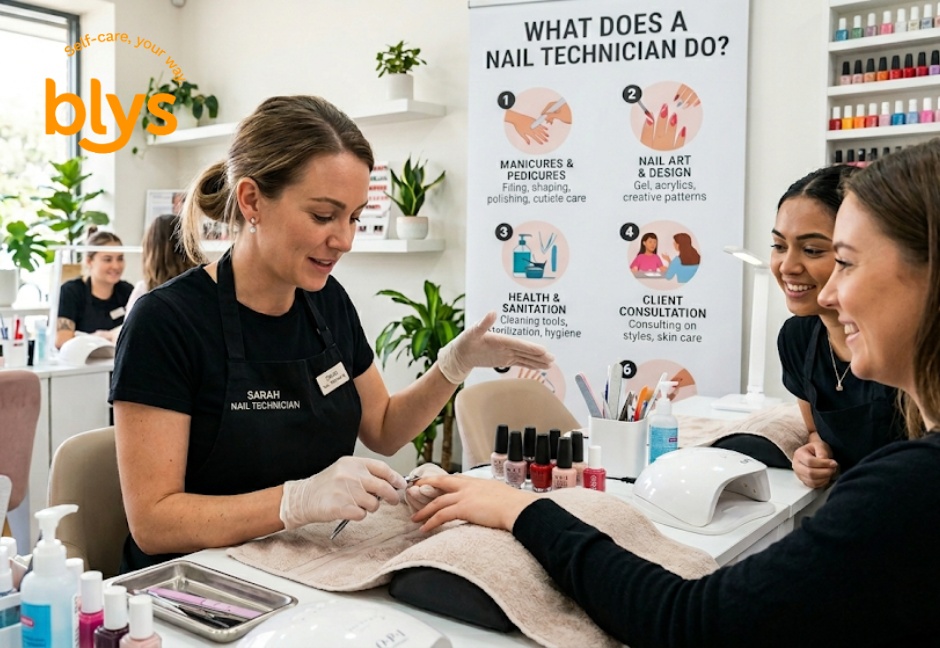
The day-to-day work of a nail technician varies depending on where they work and the services their salon or studio offers. That said, most nail technicians spend the bulk of their time delivering hands-on treatments for clients. Here’s a breakdown of the core services you’d be expected to perform.
Manicures and Pedicures
Manicures and pedicures are some of the most common services a nail technician provides. A standard manicure usually includes hand soaking, nail shaping, cuticle care, polish application, and a top coat for a smooth finish. A pedicure follows a similar process for the feet, often with extra steps, such as exfoliation and moisturising, to improve both comfort and appearance.
These services may include:
- Basic nail shaping and buffing
- Cuticle care and tidy-up
- Polish application and top coat
- Hand or foot massage
- Exfoliation and moisturising during pedicures
Nail technicians also regularly carry out gel and shellac manicures, which use UV or LED lamps to cure the product and help it last longer. Another routine part of the job is removing old gel or acrylic carefully, making sure the natural nail stays as healthy and undamaged as possible.
Nail Enhancements and Extensions
Nail extensions are one of the more technically demanding parts of the role. Nail technicians apply acrylic, gel or builder gel to extend the natural nail, sculpting the shape by hand or using forms and tips. Getting the correct length, thickness and shape requires a steady hand and a good eye for symmetry.
Fill appointments where a client comes back every two to three weeks to have the grown-out area at the base of the nail filled in are a staple of any nail technician’s week. Managing a regular client base of extension wearers is a reliable source of ongoing work.
Nail Art and Creative Design
Nail art is one of the most creative parts of a nail technician’s job. It can be as simple as French tips or as detailed as florals, chrome finishes, abstract patterns, and 3D designs. This side of the role lets technicians combine technical control with creativity to create looks that feel polished and personal.
It also takes more than just artistic flair. Nail technicians need precision, patience, and the ability to work neatly with small tools and detailed reference images. As more clients bring in inspiration from social media, strong nail art skills have become even more valuable.
Here’s a quick look at the kinds of nail art work technicians often do:
| Nail art style | What it involves | Common tools used |
| French tips | Clean, polished tip design in a classic or modern style | Detail brush, gel polish, guides |
| Hand-painted designs | Custom flowers, lines, swirls, or character art | Fine brushes, gel paints |
| Chrome or glazed finishes | Reflective or high-shine effect over gel | Chrome powder, applicator, top coat |
| Foil and decal designs | Decorative accents for texture or pattern | Foils, stickers, tweezers |
| 3D nail art | Raised designs using gems, charms, or sculpted gel | Builder gel, gems, nail glue, tools |
As demand for detailed nail looks continues to grow, strong nail art skills can help a technician stand out. It can also support higher-value bookings, repeat clients, and a stronger personal brand over time.
What Tools Do Nail Technicians Use?
Part of knowing what nail technicians do is understanding the tools they work with. A well-stocked nail station includes a combination of hand tools, electrical equipment and professional-grade products.
Common tools include:
- Files and buffers used for shaping and smoothing the natural nail surface
- Cuticle pushers and nippers for safely managing the cuticle area
- An electric nail drill (e-file) speeds up preparation, filing and removal tasks
- UV/LED lamp essential for curing gel products
- Nail forms and tips used to build extensions
- Brushes for applying gel, acrylic, nail art and fine detailing
- Acrylic powder and liquid monomer for traditional acrylic systems
- Builder gel and hard gel products for alternative extension methods
- Gel polishes and top coats for shellac and gel manicure services
Hygiene and sanitation tools are just as important. Nail technicians work with shared equipment and in close physical contact with clients, so proper sterilisation, disposable liners and barrier protection are standard parts of the workflow. The Australian Beauty provides industry guidance on hygiene standards and best practices for nail professionals working in Australia.
Where Do Nail Technicians Work?
One of the biggest advantages of a nail technology career is the variety of places you can work. You are not limited to one setting, which gives the role more flexibility than many people expect.
Some nail technicians enjoy the pace of a salon or spa, while others prefer mobile work, freelance bookings, or running their own setup. This gives you more choice in how you build your career and the kind of schedule you want.
Common workplaces include:
- Dedicated nail salons standalone studios that focus entirely on nail services
- Full-service beauty salons and spas where nail services sit alongside skin and body treatments
- Mobile nail services technicians who travel to clients’ homes, offices or events
- Hairdressing salons some offer nail services as an add-on
- Freelance and self-employed work popular with technicians who prefer flexible hours
- Resorts and cruise ships for those who want to combine travel with their career
Mobile nail services have grown significantly in recent years. Platforms like Blys connect clients with qualified nail technicians who offer on-demand nail appointments at home, making it a practical option for technicians looking to build a flexible, client-focused practice.
You can explore Blys nail services to get a feel for how mobile nail care works for both clients and practitioners.
Is Nail Technology a Good Career Path?
If you enjoy working with your hands, have a creative streak and like the satisfaction of transforming how a client feels, nail technology can be a genuinely rewarding career. It offers flexibility, a clear skills progression and real earning potential, especially for technicians who build a loyal client base or move into specialised services.
The beauty industry in Australia continues to grow, with strong demand for skilled professionals across both in-salon and mobile settings. For a broader look at where nail technology sits within the wider beauty job market, our guide to the highest-paying jobs in the beauty industry is worth a read before you decide on your path.
It’s also worth thinking about what type of nail technician you want to be. Some technicians focus on volume, seeing many clients a day with efficient, reliable services. Others carve out a niche in nail art, extensions or wedding and events work, where they can charge premium rates. Your earning potential often comes down to the specialisations you develop over time.
Not sure if a beauty career suits your lifestyle more broadly? Our post on whether beauty therapy is a good career covers the broader industry landscape and what to consider before committing to training.
Ready to Start Your Nail Career?
Nail technicians do a lot more than paint nails. They care for the health of their clients’ hands and feet, deliver precision work that requires real skill, build ongoing relationships with a loyal clientele, and contribute to an industry that’s growing across Australia. Whether you’re drawn to the creativity of nail art, the technical challenge of extensions, or the flexibility of mobile work, it’s a career path worth taking seriously.
If you’re curious about what it looks like to offer nail services through a mobile platform, take a look at how Blys nail services connect qualified technicians with clients across Australia. It’s one way to build your client base and work on your own terms from the start.