 Long hours at a desk are a reality for many Australians. Between laptops, phones, and constant screen use, it’s common to end the day with neck stiffness, one-sided shoulder pain from mouse work, or an upper back that feels tight no matter how much you stretch.
This type of desk job pain is often treated as a muscle issue, but it usually runs deeper. Repetitive posture and limited movement can create restrictions in the body’s fascia — the connective tissue that supports muscles and joints. Once fascia adapts to these patterns, discomfort can linger even with regular exercise or mobility work.
Hands-on bodywork offers a more targeted solution. Therapies such as myofascial release and lomi lomi massage work with these postural patterns directly. When provided at home, they fit more easily into busy work schedules, making consistent relief more achievable.
Why Desk Jobs Create Persistent Pain
Desk job pain builds through prolonged sitting, forward head posture, and repeated small movements that load the same areas day after day.
Tech neck develops as the head shifts forward towards screens, increasing stress on the cervical spine and contributing to neck stiffness and shoulder tension. Research shows sustained forward head posture significantly raises strain on the neck.
Mouse use often creates one-sided shoulder tension, while rounded shoulders shorten the chest and tighten the upper back. Even with regular exercise, basic stretching and strength work may not address deeper fascial restriction or nervous system load, allowing pain to return once desk posture repeats.
Understanding Desk Job Pain Beyond Muscles
Desk job pain often sits beyond the muscles. Fascia, the connective tissue surrounding muscles and joints, adapts to positions held for long periods, such as prolonged sitting or forward head posture. When posture stays the same for hours each day, fascia can lose elasticity, making discomfort feel dull, restricted, or recurring rather than sharp or acute.
Stress plays a role too. Mental load increases nervous system tension, which encourages the body to hold physical tightness. Research shows fascia responds to both mechanical strain and stress-related input, reinforcing ongoing pain patterns.
How Myofascial Release Therapy Helps Desk Workers
Myofascial release therapy works with fascia rather than focusing only on muscles, making it well suited to desk-related pain that develops over time.
- What it is: A hands-on technique using slow, sustained pressure to release restricted connective tissue.
- How it helps desk posture strain: Gentle pressure gives fascia time to soften and adapt after long periods of sitting or screen use.
- Key desk-related areas: Common focus areas include the neck, upper traps, chest, shoulders, mid-back, and hips.
- Why it suits chronic pain: It targets long-standing postural patterns rather than short-term muscle soreness or acute injury.
For desk workers who feel tight everywhere despite staying active, myofascial release can provide more targeted relief. Blys offers this therapy at home, making it easier to fit into busy work schedules
Common Desk Worker Issues Treated With Myofascial Release
Desk work places repeated strain on the same postural patterns each day. Myofascial release targets the areas most affected by prolonged sitting, screen use, and one-sided movements common in office routines.
Tech Neck and Upper Cervical Tension
Hours of looking down at screens or leaning towards a monitor can overload the upper neck. Myofascial release helps soften restrictions around the cervical spine, easing stiffness and reducing the “heavy head” feeling common after long workdays.
Mouse Shoulder and One-Sided Arm Load
Using a mouse or trackpad repeatedly on one side creates uneven tension through the shoulder, arm, and upper back. Fascial work addresses these asymmetries by releasing tissue that has adapted to repetitive, one-sided movement.
Upper Back Tightness and Rounded Shoulders
Desk posture often shortens the chest and tightens the upper back. Myofascial release helps restore movement through the thoracic area, supporting better shoulder positioning and reducing constant upper-back tightness.
Hip and Lower Back Stiffness From Sitting
Prolonged sitting can restrict fascia around the hips and lower back. Targeted release in these areas supports improved mobility and reduces the stiffness that shows up when standing after long periods at a desk.
Still feeling tight despite staying active? See our guide on the benefits of myofascial release therapy explains why fascia-focused work can help relieve ongoing desk job pain.
Lomi Lomi Massage Meaning and Why It Works for Desk Bodies
Desk work often creates widespread tension rather than pain in one specific spot. Lomi lomi massage works across larger areas of the body, which makes it well suited to the kind of upper-body tightness that builds from long hours at a desk.
- Lomi lomi massage meaning: A traditional Hawaiian massage style centred on rhythm, flow, and continuous movement.
- Flowing forearm strokes: Long, sweeping strokes across the shoulders, arms, neck, and upper back help release broad tension patterns.
- Nervous system calming: The continuous, rhythmic approach encourages the nervous system to settle after prolonged focus and stress.
- Why it suits desk bodies: Shoulder, upper back, and arm tension from mouse use and rounded posture responds well to whole-area work.
Lomi lomi works best alongside myofascial release, offering both structural support and overall relaxation. Blys delivers mobile lomi lomi massage at home for desk workers needing full upper-body relief.
Myofascial Release vs Lomi Lomi for Desk Job Pain
Desk job pain varies. Some people feel tight in one specific area, while others carry tension across the shoulders and upper back. Knowing how each therapy works can help desk workers choose the right approach.
| Desk Worker Situation | Myofascial Release Therapy | Lomi Lomi Massage |
| Pain type | Localised, restricted tension | Broad, general tightness |
| Common examples | Tech neck, mouse shoulder | Heavy shoulders, upper back fatigue |
| Best suited for | Posture-driven, chronic pain | Stress and burnout-related tension |
| Technique focus | Slow, targeted pressure | Flowing, rhythmic strokes |
| Nervous system effect | Gradual release | Deep calming |
Many desk workers benefit from combining both. Myofascial release addresses specific postural restrictions, while lomi lomi supports broader tension and nervous system recovery a practical balance for long hours at a desk.
Why At-Home Treatment Matters for Office Workers
Desk workers already spend much of the day sitting and focusing. Adding travel to and from a clinic can increase fatigue and make treatment feel like another task rather than support.
- Avoids extra strain: Commuting, waiting rooms, and rushing between appointments can offset the benefits of bodywork.
- Supports deeper relaxation: Being treated at home allows the body to settle more easily in a familiar environment.
- Encourages consistency: When booking is simple, people are more likely to maintain regular sessions instead of waiting for pain to escalate.
- Fits modern work routines: At-home sessions suit work-from-home and hybrid schedules without disrupting the day.
Blys brings professional treatment directly to your space, making recovery more accessible for office workers managing desk-related pain without added stress.
What to Expect From a Blys Session for Desk Job Pain
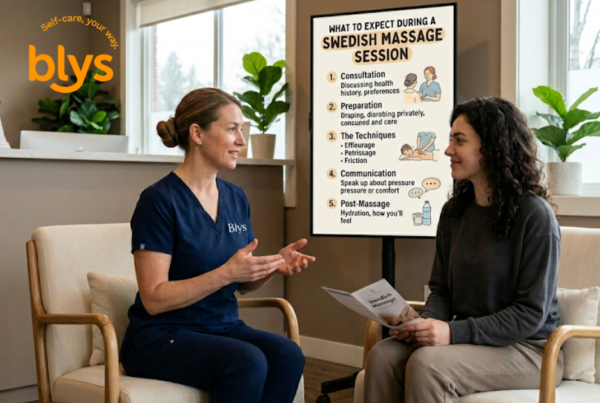
Booking a session for desk-related pain should feel straightforward and comfortable. Blys sessions are designed to address posture-driven tension while keeping communication clear throughout.
| Session Element | What It Means for Desk Workers |
| Initial assessment | Your therapist checks common desk-related tension patterns, such as neck, shoulders, upper back, and hips. |
| Communication | You’re encouraged to share pain points, work habits, and pressure preferences at any time. |
| Tailored techniques | Pressure and methods are adjusted to suit desk posture strain, whether targeting specific areas or broader tension. |
| Comfort and safety | Sessions take place in your home, allowing you to relax without clinic-style pressure. |
| After-effects | Many people feel lighter or more mobile. Some experience mild soreness that settles within a day. |
While some notice relief after one session, posture-driven pain often responds best to consistent care. This realistic approach helps desk workers set expectations and feel confident booking.
Feeling heavy through the shoulders after long workdays? See our guide on the benefits of mobile lomi lomi massage explains how flowing techniques ease desk-related tension.
Supporting Your Treatment Between Sessions
Manual therapy works best with small, realistic habits between sessions not perfect posture.
Simple awareness helps. Noticing when your head moves forward or shoulders tense allows for gentle resets without forcing alignment. Micro-movements such as slow neck turns, shoulder rolls, or brief position changes support fascia by preventing stiffness from settling back in.
Consistency matters more than correction. Allowing time for recovery and spacing sessions regularly helps the body adapt gradually. When treatment is part of an ongoing routine rather than a one-off fix, desk workers are more likely to experience lasting relief.
Wrapping Up
Desk job pain is a common result of modern work, not a personal failure. Prolonged sitting, screen use, and mental load place ongoing stress on the body, often affecting fascia and the nervous system. When pain keeps returning, addressing these layers can make a real difference.
Myofascial release therapy and lomi lomi massage offer practical, at-home support for desk workers seeking relief that fits into real working lives.
Explore Blys’ at-home myofascial release therapy and lomi lomi massage to support your body through modern desk work demands.