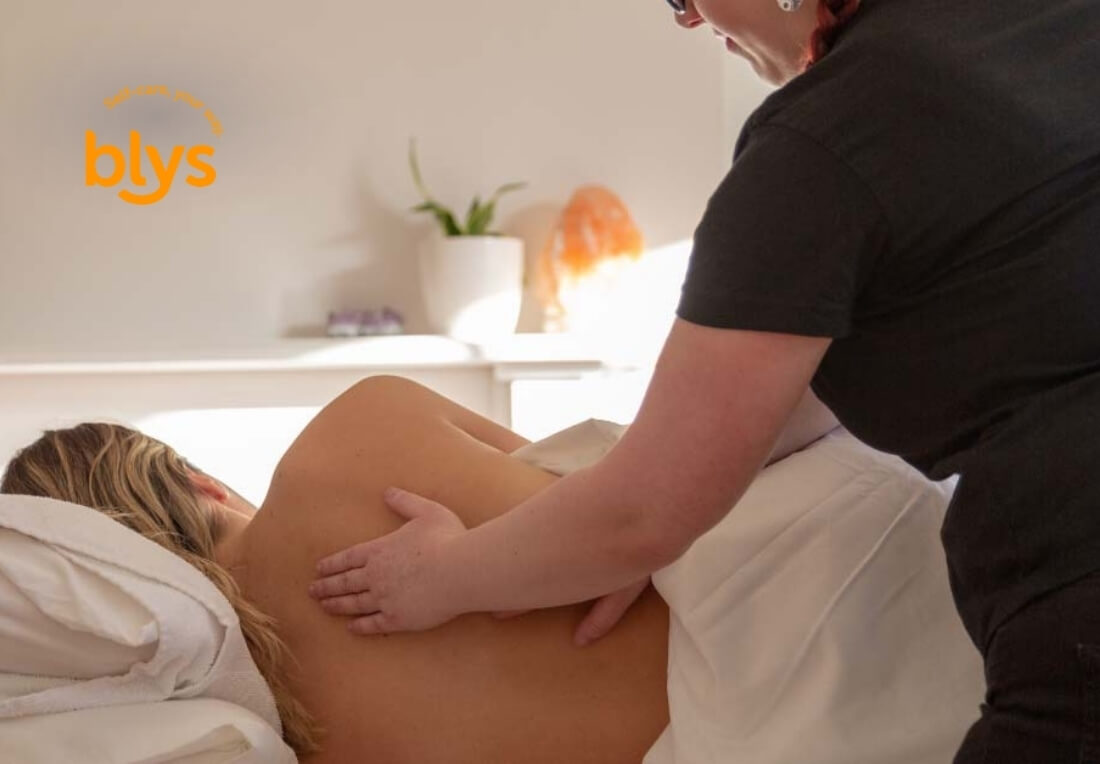
Nobody hands you a schedule when you leave the hospital. You get a baby, a collection of instructions that seem comprehensive until approximately 11pm on day three, and the vague suggestion to rest and recover. The postpartum massage timeline answers the question most new mothers are actually asking: when can I get a massage after birth, what does postpartum massage after a C-section look like, and is it different to recovering from a vaginal birth?
The answer depends on how you gave birth and how recovery is going. Here’s the full breakdown, including what postpartum massage after a C-section looks like versus a vaginal birth recovery. Here’s the full breakdown, including how postpartum massage supports recovery at each stage.
Vaginal vs C-Section Recovery Timelines
These are actually different situations and the timing recommendations are different too, so it’s worth being clear about which one you’re in before anything else.
After a Vaginal Birth
For an uncomplicated vaginal birth with no major tearing, gentle massage can begin within the first one to two weeks. If you had pregnancy massage during pregnancy, your body already knows how to respond to postnatal work, which makes the early sessions more effective. The early sessions should focus on the upper back, shoulders, neck, and arms, with the lower back and hips coming in from around week two to three if recovery is going well.
If you had major tearing or an episiotomy, check with your midwife or general practitioner before including the lower back and pelvic area. The healing timeline for more extensive tearing is longer, and the positioning for lower back work can put pressure on areas that are still recovering.
After a C-Section
A C-section is major abdominal surgery. The wound site and surrounding tissue should not be massaged until the incision has fully healed, usually around six to eight weeks post-surgery and only once your general practitioner has cleared you. Any massage before that should work entirely around the wound, focusing on the upper back, shoulders, and legs.
After six to eight weeks with medical clearance, scar tissue massage can begin. C-section scar tissue that isn’t worked tightens and adheres to the tissue underneath, affecting posture, hip mobility, and the pelvic floor over time. Start gentle scar work once the wound is fully healed rather than waiting until the tightness has already set in. Most people who skip this step notice the difference in their hip mobility and posture within a few months.
What’s Safe Week by Week: Postnatal Massage Timeline
Weeks 1–2
Keep it light, gentle, and focused on the upper body only. Book less pressure than you’d normally ask for, and focus on the areas already holding tension from the newborn care tasks that have started. Nothing on the abdomen, nothing near the incision site for C-sections, and nothing deep. This isn’t the session for deep tissue work: it’s the session for reminding your shoulders that they can drop away from your ears.
Weeks 3–4
For vaginal births without complications, the lower back and hips can be included, pressure can be slightly firmer, and the session starts feeling like an actual massage rather than a careful check-in. For C-section recovery, it’s still upper body only: the incision is healing but not fully healed.
Weeks 4–6
For vaginal births, a full-body session with moderate pressure is usually appropriate. The pelvic floor and surrounding hip and sacral muscles can be included in the massage focus from this point, especially if there’s residual tension or discomfort in the pelvic region. For C-section recovery, this is still a waiting period for lower body and abdominal work.
6 Weeks and Beyond
Six weeks is the milestone most general practitioners refer to for postpartum clearance, though what that means varies. It typically means the wound or tears have healed, not that the body is fully recovered , full physical recovery takes much longer than six weeks for most people.
From six weeks onward, a postnatal massage at home can be more comprehensive: deeper pressure, full body coverage, specific work on the areas carrying the most load. For C-section recovery, this is when scar tissue work can begin with clearance. For everyone, this is when the massage starts doing more than just taking the edge off.
How Postpartum Massage Differs From a Regular Session
Positioning
Lying face down is often not comfortable in the early postpartum period, especially if you’re breastfeeding and your breasts are tender, or if you’ve had a C-section and abdominal pressure is uncomfortable. A good postnatal therapist will use side-lying positioning with supportive pillows to allow work on the back and hips without requiring you to lie face down.
Pressure and Focus
Early postnatal sessions use lighter pressure than most people are used to booking, even if they normally prefer firm work. This isn’t because lighter pressure is always better, it’s because the body is in a state where deep pressure can be more disruptive than helpful before the tissue has had time to settle. Pressure increases over the following weeks as recovery progresses.
The focus also shifts. A regular session might work through the full body evenly. A postnatal session is more likely to spend most of its time on the upper trapezius and neck from feeding positions, the forearms and wrists from carrying, the lower back from postural changes, and the hips and sacrum if pelvic tension is present.
The Emotional Layer
Postpartum massage has an emotional dimension that a standard session usually doesn’t. The nervous system is running on disrupted sleep, hormonal shifts, and the constant alertness that comes with keeping a newborn alive, and the parasympathetic response that massage activates can land differently here. Some people find they cry unexpectedly. Some fall asleep mid-sentence. Both are completely normal and both happen more than you’d think.
What to Tell Your Therapist Before the Session
Your Birth Type and How Far Along Recovery Is
Tell your therapist whether it was a vaginal birth or a C-section, how many weeks postpartum you are, and whether there were any complications that affect positioning or pressure. A postpartum massage guide covers what to expect from the session itself if you haven’t had one before. The more specific you are, the less time the therapist spends guessing and the more time they spend on the parts that actually need it. Most people underestimate how much this information changes the session.
Any Areas to Avoid
The wound site, the perineum, anywhere that’s still uncomfortable. You don’t need to explain why, just name them. A good therapist won’t push for more detail, they’ll just work around it. This includes areas that are uncomfortable rather than painful, the threshold for mentioning something is lower than most people think.
How You’re Feeding
Breastfeeding affects positioning and means the upper trapezius and chest need attention. Most new mothers don’t mention postpartum pelvic floor tension until it’s causing real problems, which is usually a few weeks after it started. Mentioning it early gives the therapist the chance to address it before it gets to that point. The same applies to any rib or side discomfort from feeding positions, which is more common than people realise.
What’s Hurting Most
The wrists, the upper back, the hip that’s been complaining since week one. A postnatal session works best when the therapist knows where to focus. If everything hurts equally, start with the upper back, since it’s usually doing the most work and complaining the least. The wrists and forearms are the ones most people forget to mention until the therapist finds them. If back pain is the main issue, postpartum back pain relief covers what else helps alongside massage.
Whether a General Practitioner Has Cleared You
Worth mentioning especially for C-section recovery or any complications, so the therapist can make the right calls about pressure and positioning. If you haven’t been cleared yet, the session can still happen, it just stays focused on the upper body until you are. Either way, telling the therapist upfront means they’re not making assumptions about what’s safe.
The newborn stage is demanding in ways that are hard to describe. A postnatal session doesn’t fix any of that, but it gives the body an hour to stop bracing against it. Book a postnatal massage at home through Blys, available 7 days a week, 6 am to midnight across Australia.