Massage or stretching for sciatica, physical therapy, foam rolling at midnight, none of them is wrong. That’s the honest starting point. All three help with sciatica, and all three will let you down if you use them for the job they’re not built for.
Most people pick one, get partial relief, and wonder why it isn’t working as well as it did for their colleague. The answer is almost always the same: they’re using the right tool in the wrong situation, or asking one approach to do three different jobs at once.
How Each Approach Helps
Massage
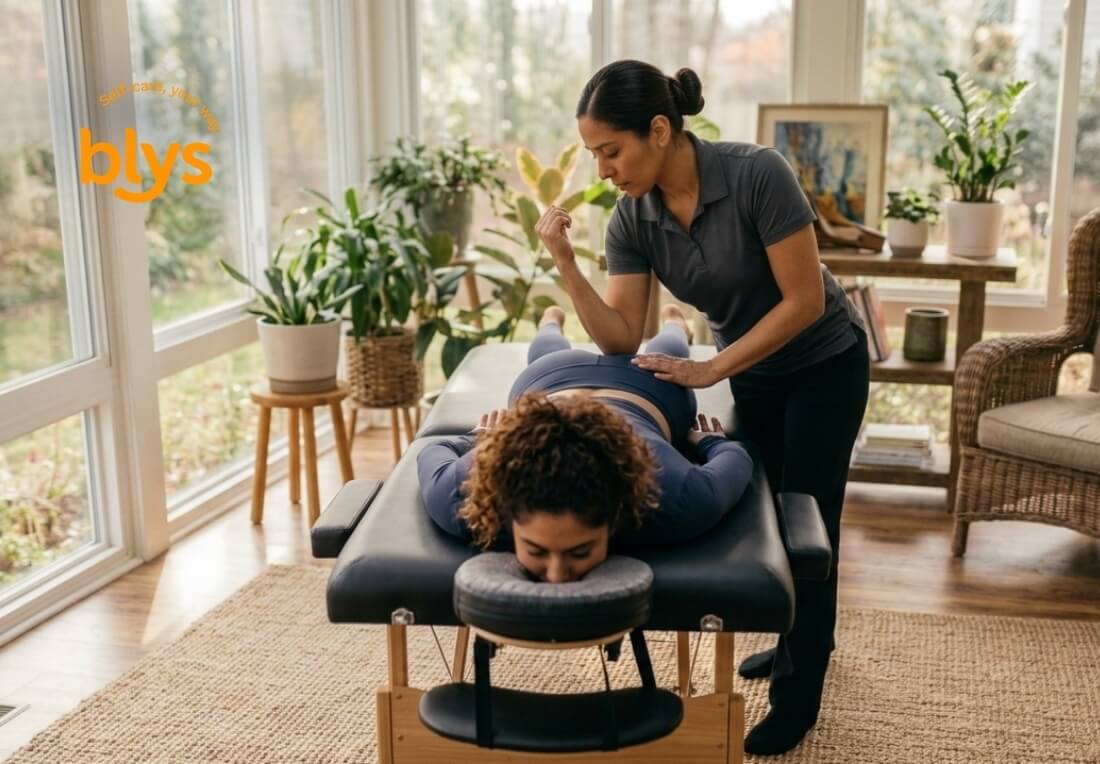
Massage gets at the muscular layer of sciatica faster than anything else. The piriformis, gluteus medius, and lower back muscles that tighten around sciatic pain respond to trigger point work in a way that stretching doesn’t reach and exercise can’t access when someone is braced in pain. Release those muscles, and the compression on the sciatic nerve reduces. The referred pain down the leg often changes within a single session.
How sciatica massage works on the muscular and nervous system level helps set expectations before the first booking.
Best for: acute flares, referred pain down the leg, muscular tightness that’s making movement and exercise difficult.
Ceiling: doesn’t address strength, posture, or the structural reasons sciatica keeps recurring.
Stretching
The piriformis stretch, ankle crossed over the opposite knee, leaning forward, is the first thing most people try, and it helps up to a point. That point is trigger points, which are the specific tight spots within a muscle that refer pain along the sciatic path. You can stretch a muscle with active trigger points for weeks and make no progress on the referred pain, because the stretch is working around the problem rather than at it. Trigger point massage for sciatica addresses those specific spots in a way stretching doesn’t reach.
Where stretching earns its place is as a daily maintenance habit. The piriformis stretch held for 60 to 90 seconds on each side, combined with a hip flexor stretch that stops the pelvis being pulled forward, slows down how quickly tightness returns between sessions. It’s not a treatment for a flare, it’s what keeps each session’s results lasting longer.
Best for: maintenance between treatments, preventing tightness from returning, daily habit once the acute phase has settled.
Ceiling: won’t resolve referred pain from active trigger points, won’t build the strength to prevent recurrence.
Physical Therapy
Physical therapy is the approach most likely to change the trajectory of sciatica rather than just managing it. It builds the core and hip strength that reduces load on the lumbar spine, corrects the movement habits that keep aggravating the nerve, and addresses the postural factors that most people with recurring sciatica haven’t looked at yet.
In practice, a sciatica physio session usually starts with an assessment of movement, strength, and nerve sensitivity, followed by a progressive program targeting the deep core stabilisers, hip abductors, and glutes. Most people don’t need a General Practitioner referral to see a physio, you can self-refer in most cases, which makes it more accessible than most people realise. The catch is timing: arriving at physio with acute pain that makes movement difficult means most of the session is spent working around the pain rather than building the capacity to prevent it.
Best for: recurring sciatica, addressing root causes, building lasting capacity.
Ceiling: works best once acute pain has reduced, not the right first move during a severe flare.
Can You Combine Them?
Yes, and the sequence matters more than the combination. Massage first to release the acute muscular tension and create the conditions where movement is possible, daily stretching once the pain has reduced enough to move without bracing, and physical therapy progressively from there, building the strength and stability that stops it coming back.
Most people get this backwards. They try to build core strength during a flare (too early), stretch the same tight muscle every day without seeing progress (missing the trigger points), and then add massage as a last resort months later. By that point the muscular habits have been reinforcing themselves long enough that recovery takes longer than it would have if the sequence had been right from the start.
The approaches aren’t competing, but what they are is a timeline.
What Most People Try First
Most try stretching, usually. It’s free, immediate, and feels productive. It also has the lowest ceiling of the three, which is why most people who manage sciatica well eventually work their way to massage and then physio, not because stretching doesn’t help, but because the problem outgrows what stretching alone can address.
The most honest version of this comparison is that massage gives fast relief but doesn’t build anything, stretching maintains what you’ve gained but can’t create the gains in the first place, and physical therapy builds the capacity that prevents recurrence but works best once the acute pain is under control. Understanding what sciatica actually is and what’s driving your specific presentation makes it easier to know which stage you’re at and which tool belongs there.
When to Escalate to a Doctor
The comparison between massage, stretching, and physical therapy becomes less relevant in certain situations where medical assessment is what’s needed first.
See a doctor before trying any of the above if you have numbness or weakness in both legs, if you’ve lost bladder or bowel control, if the pain came on after a fall or injury, or if the pain is severe and getting worse rather than fluctuating. These are red flags that the nerve involvement may be more serious than muscular tightness can account for, and massage or stretching in these situations could delay the assessment that’s actually needed.
For sciatica with a clear muscular element, pain that changes with movement and position, and no neurological red flags beyond the familiar referred pain path, remedial massage at home is the most accessible first step, no referral, no waiting room, and no car journey that aggravates the lower back before the session has even started.
The sciatic nerve doesn’t care which approach you’re committed to. It just cares whether the pressure on it reduces, and massage is the fastest way to start that process.
Book a sciatica remedial massage at home through Blys, available 7 days a week, 6 am to midnight across Australia.