 Pregnancy often comes with a long list of things to think twice about, including the treatments you usually rely on for relief. If hot stone massage has helped with stress or muscle tension in the past, it makes sense to wonder whether it is still safe now that you are expecting.
In most cases, therapists and medical professionals advise against hot stone massage during pregnancy. The combination of sustained heat and pressure can pose risks, especially in the first trimester. The good news is that you do not have to put up with discomfort without support. Pregnancy massage, also called prenatal massage, is a safer option designed to support your body as it changes.
This post explains why hot stone massage is not recommended during pregnancy, what the evidence says about prenatal massage, and how to choose the right therapist for your stage of pregnancy.
Why Hot Stone Massage Is Not Recommended During Pregnancy
Hot stone massage is a treatment that uses smooth, heated basalt stones placed strategically on the body and applied with varying degrees of pressure across muscle groups. It’s known for its deeply relaxing effect and ability to ease chronic tension.
Outside of pregnancy, it is considered safe for most healthy adults. During pregnancy, however, the picture changes significantly.
The Risk Of Elevated Body Temperature
The stones used in hot stone massage are typically warmed to between 50°C and 60°C. That level of heat is part of what makes the treatment effective for non-pregnant clients. During pregnancy, though, sustained increases in core body temperature carry real risks, particularly in the first trimester.
Research has linked hyperthermia in early pregnancy to an increased risk of neural tube defects and other developmental complications. This is the same reason that saunas, hot tubs and prolonged hot baths are generally advised against during pregnancy.
The concern is not just discomfort but the physiological effect of heat on foetal development at a critical stage. Hot stone massage applies heat directly to the skin for an extended period, which makes it a meaningful risk factor rather than a minor consideration.
Circulation and Pressure Changes
Pregnancy affects the body in many ways, including major changes in circulation, blood volume, and fluid retention. As these changes progress, certain massage techniques and pressure points may no longer be suitable, especially when heat is added to the treatment. This is one reason hot stone massage during pregnancy is generally not recommended.
Extra caution is usually needed around areas such as the legs, abdomen, and lower back because pressure in these regions may create added concerns during pregnancy, including the following:
- Increased sensitivity in swollen or heavy legs
- Discomfort linked to varicose veins
- Pressure near the uterus and lower back
- Circulation issues that may raise concerns around blood clots or deep vein thrombosis
For these reasons, hot stone massage is widely considered contraindicated during pregnancy. This does not mean all massage is off limits. It simply means the combination of sustained heat and deeper pressure used in hot stone therapy is not considered the safest option for pregnant clients.
If you want to learn more about how this treatment works outside of pregnancy, read our guide to hot stone massage benefits and what hot stone massage is.
What About a Modified or Lighter Version?
Is a modified or lighter hot stone massage safe during pregnancy?
It is a common question: if the stones are only slightly warm or only used on the shoulders and upper back, could hot stone massage still be safe during pregnancy? The answer is not straightforward. Some therapists may offer adjusted techniques with lower heat, but any version of hot stone massage in pregnancy should only be considered after speaking with your GP, obstetrician, or midwife.
The difficulty is that pregnancy affects every body differently. A treatment that seems mild may still carry risks depending on your trimester, circulation, swelling, medical history, or any pregnancy complications. That is why a modified hot stone massage should never be assumed to be automatically safe. In most cases, prenatal massage remains the better option because it is designed specifically for the needs and limitations of pregnancy.
Here is a simple comparison:
| Option | May involve heat? | Designed for pregnancy? | Main consideration |
| Standard hot stone massage | Yes | No | Not recommended during pregnancy due to sustained heat and pressure |
| Modified hot stone massage | Sometimes | No | May still carry risks and should only be considered with medical advice |
| Prenatal massage | No direct stone heat | Yes | Safer and more appropriate for pregnancy-related aches and tension |
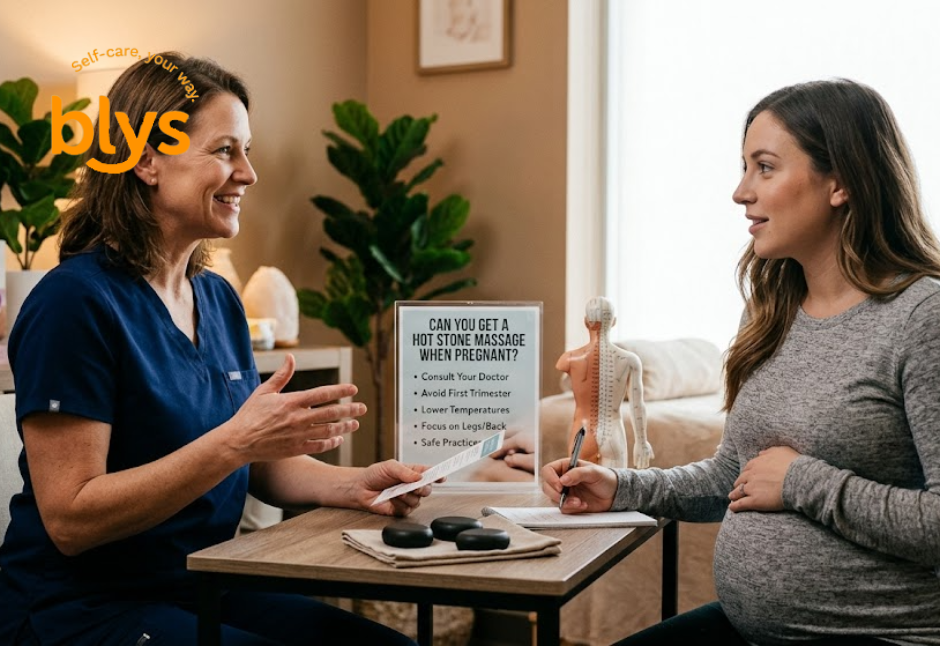
If warmth is part of what you are looking for, a trained prenatal massage therapist may be able to suggest safer alternatives, such as a briefly applied covered heat pack in an appropriate area. This should always be done with professional guidance rather than as a substitute for proper pregnancy-safe treatment.
What Is Prenatal Massage, and Is It Safe?
Prenatal massage, also called pregnancy massage, is a form of therapeutic massage adapted for the needs of pregnant clients. It uses gentler techniques than a standard massage and is designed to ease common pregnancy discomforts such as back pain, leg pain, stress, and poor sleep. Massage therapy is generally considered safe during pregnancy when it is provided by someone who is specifically trained in pregnancy massage.
A prenatal massage session is adjusted to suit the realities of a changing body. Instead of lying face-down on a standard massage table, you are usually supported in a side-lying or semi-reclined position with pillows or bolsters to keep you comfortable and reduce pressure on the body. Therapists also avoid direct abdominal massage, use lighter pressure, and take extra care with the legs and other sensitive areas.
Common focus areas in a pregnancy massage include the lower back, hips, shoulders, neck, legs, and feet, especially where tension, swelling, or postural strain is present. That said, safety still depends on your individual pregnancy. It is best to check with your GP, midwife, or obstetrician before booking, especially if you have complications or are in the later stages of pregnancy.
What Does the Evidence Say?
Research published via PubMed suggests that prenatal massage can help reduce anxiety and cortisol levels, ease musculoskeletal discomfort, and improve sleep quality during pregnancy. Some studies have also pointed to potential benefits for foetal outcomes, though these findings should always be considered alongside advice from your own healthcare team rather than in isolation.
For most people with a healthy, uncomplicated pregnancy, prenatal massage is considered safe from the second trimester onwards. Many therapists and practitioners advise waiting until after the first trimester, when the risk of miscarriage is higher.
If you have any pregnancy complications, including placenta praevia, pre-eclampsia, a history of preterm labour or blood clotting conditions, always get clearance from your doctor or midwife before booking any form of massage.
How Pregnancy Massage Compares to Hot Stone Therapy
If you have been relying on hot stone massage for deep muscle relief, stress management or chronic tension, it is worth understanding that prenatal massage is not simply a gentler or lesser version of what you are used to. A skilled pregnancy massage therapist can deliver genuinely therapeutic outcomes, not just a light, superficial rub.
Techniques commonly used in prenatal sessions include:
- Swedish massage strokes adapted for pregnancy positioning, to improve circulation and reduce muscle tension
- Targeted work on the lower back, glutes and hips to address sciatic and pelvic girdle discomfort
- Gentle lymphatic techniques to reduce swelling and heaviness in the hands, ankles and feet
- Shoulder, neck and upper back work for those managing postural tension from carrying extra weight
- Breathwork and relaxation support for anxiety or stress, which is common across all trimesters
You can explore the full range of hot stone massage benefits separately for when you are ready to return to the treatment after your pregnancy, but for now, prenatal massage is the appropriate and recommended path.
What to Look for in a Pregnancy Massage Therapist
Not all massage therapists are trained or experienced in working with pregnant clients. This is an important distinction. General remedial or relaxation therapists may not have the specific knowledge required to safely adapt a session for pregnancy, particularly around contraindicated pressure points, appropriate positioning and the conditions that should prompt a referral back to a healthcare provider.
When booking a prenatal massage, look for a therapist who:
- Has specific training or certification in pregnancy massage
- Takes a thorough health history before your session, including your trimester and any pregnancy complications
- Asks you to confirm that your healthcare provider is supportive of you receiving massage at this stage
- Is comfortable working with clients across all trimesters and adapting their approach accordingly
- Is registered and insured to provide remedial or therapeutic massage services
Blys connects you with experienced, vetted therapists who come directly to your home, which is a genuine advantage during pregnancy when travel can feel exhausting and getting comfortable in an unfamiliar clinic adds unnecessary effort. You can browse therapists and book through the Blys pregnancy massage service. If you are curious about hot stone massage in general or want to save it as something to return to after your baby arrives, you can also explore hot stone massage sessions through Blys for future reference.
Safer Massage Support During Pregnancy With blys
Hot stone massage is not recommended during pregnancy. The combination of sustained heat and deep pressure creates risks that are well-recognised in the therapeutic community, and the safer choice is to step back from this particular treatment until after your baby arrives.
That said, pregnancy does not mean going without support for your body. Prenatal massage, delivered by a professionally trained therapist who understands the specific needs of pregnancy, can offer real relief for the aches, tension and stress that come with each trimester. The key is working with someone who has the right training and taking advice from your healthcare provider before you book.
If you are ready to find a pregnancy massage therapist who comes to you, browse available Blys therapists in your area and book at a time that suits you.