 If you’ve been searching “is pregnancy massage safe” at 11pm with your bump propped on a pillow, you’re in excellent company. It’s one of the most commonly asked questions during pregnancy and the answers online tend to be either frustratingly vague or so cautious they leave you none the wiser. Here’s the reassuring truth: for most women with uncomplicated pregnancies, it is safe provided it’s delivered by someone with genuine experience working with pregnant clients, using the right techniques for your stage.
But the detail matters. There are trimester-specific considerations, a handful of areas that need extra care, and some situations where a quick conversation with your midwife or GP before booking is the right call.
This post covers all of it clearly, without the medical brochure tone. By the time you’ve finished reading, you’ll know exactly what to expect at each stage, which questions to ask, and why the setting you choose makes more difference than most people anticipate.
Is Pregnancy Massage Safe in the First Trimester?
This is where the hesitation usually starts. You’ve probably come across warnings that massage in early pregnancy should be avoided but the concern is often more overstated than the evidence actually supports.
The elevated miscarriage risk in the first trimester is primarily driven by chromosomal factors, not external physical intervention. A systematic review published on PubMed found no significant evidence linking appropriately administered massage therapy to adverse pregnancy outcomes.
That said, experienced practitioners do work more conservatively during this window lighter pressure overall, no abdominal work, and steering clear of specific acupressure points historically associated with uterine stimulation, particularly around the inner ankle and the webbing between thumb and forefinger.
For most healthy, uncomplicated pregnancies, a gentle session focusing on the back, neck, shoulders and legs is considered appropriate from early on. What matters most is working with a vetted, insured professional who has genuine experience with pregnant clients and who takes a thorough health history before getting started.
Why the first trimester is often when you need it most
Ironically, the early weeks when many women feel most uncertain about booking are often when the physical discomfort is most acute. Fatigue arrives before the bump does. Back tension builds before your posture has visibly changed. Headaches are common, sleep is disrupted, and most of your usual remedies suddenly feel off the table.
Gentle, expert hands at this stage can ease muscular tension, support circulation, and deliver real physical relief during a window when very little else is available. If you’re unsure about booking in the first trimester, raise it with your GP or midwife for most healthy pregnancies, the answer will be a clear green light.
How Does Your Trimester Affect What’s Possible in a Session?
The second trimester is widely considered the most comfortable window for bodywork during pregnancy. Energy typically returns, morning sickness eases for many women, and your body genuinely starts to need the support.
Postural strain builds as your centre of gravity shifts. Round ligament discomfort, mid-back tension and tight hips all respond well to trusted, skilled hands at this stage. Many women who begin regular sessions in the second trimester find they sleep noticeably better and carry day-to-day discomfort more easily.
By the third trimester, positioning is the primary consideration. Lying flat on your back for extended periods isn’t recommended after around 28 weeks the weight of the uterus can compress the vena cava, the large vein that returns blood to the heart, causing dizziness or a drop in blood pressure.
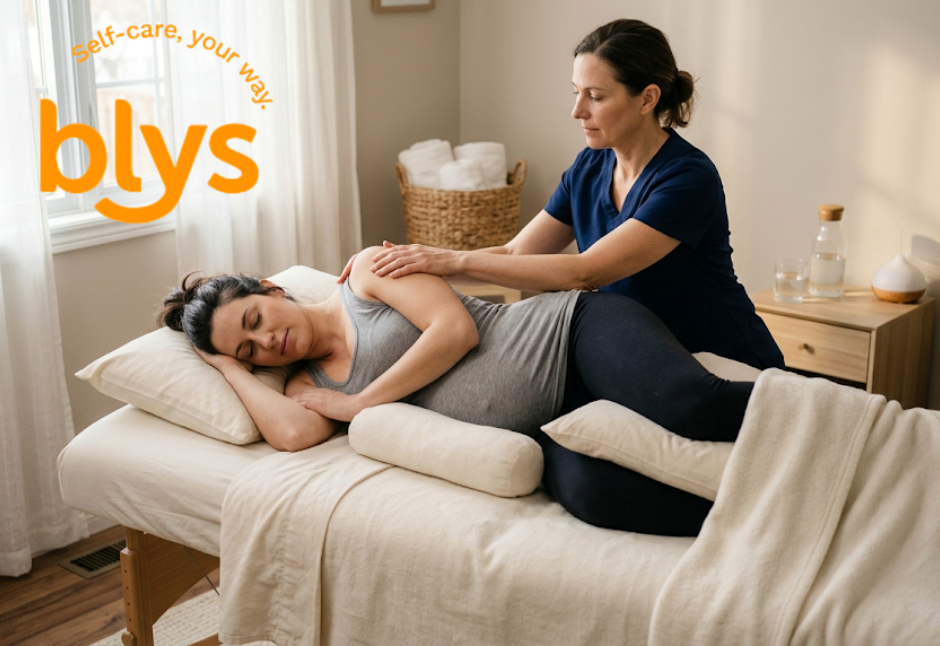
A skilled practitioner will use supportive cushioning and a side-lying position to keep you and your baby comfortable throughout.
What good positioning looks like and why it matters at home
In a well-set-up late-pregnancy session, you’ll typically be lying on your side with a full-length body cushion supporting your bump, knees and lower back. When a professional comes to your home, you’re already in your own environment no clinic table to navigate, no 34-week waddle across a car park beforehand.
The providers you book through Blys bring all necessary equipment, including pregnancy-specific positioning cushions, so everything is set up for you before the session begins. What really changes the experience is what happens after. Your nervous system needs time to settle once a session ends.
When it ends in your own home, you can stay still, rest, and let the work integrate rather than getting dressed, driving home, and re-entering daily life before your body has caught up. That post-session window is genuinely part of the therapeutic benefit, and it’s one that mobile bookings protect by design.
Is It Safe on the Legs and Feet, and Which Areas Need Extra Care?
This comes up in almost every conversation about pregnancy massage safety, and it deserves a more thorough answer than “just avoid certain pressure points”.
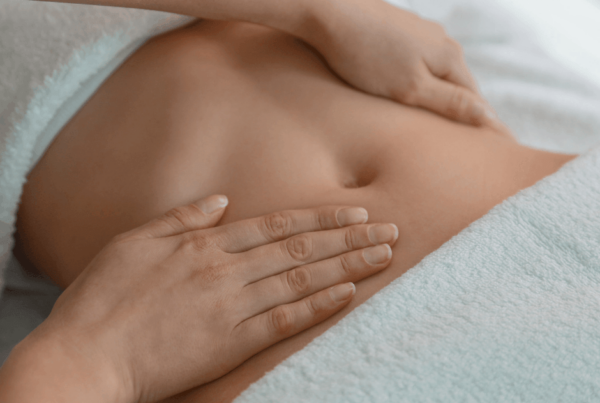
The abdomen is generally left alone, particularly in the first trimester. In later pregnancy, very gentle superficial touch may be incorporated if you’re comfortable with it but sustained or deep pressure is not appropriate at any stage.
Specific acupressure points around the inner ankle (Spleen 6), the back of the knee, and the hegu point between thumb and forefinger are traditionally avoided due to their historical association with uterine stimulation. The clinical evidence is limited, but most experienced practitioners take a conservative approach, and there’s no benefit to unnecessary risk.
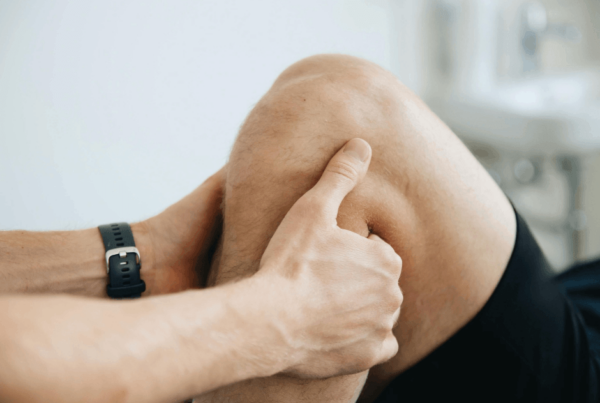
Deep tissue work on the legs, particularly the calves, is treated with significant care. Pregnancy substantially increases the risk of deep vein thrombosis (DVT), which means vigorous or deep pressure on the lower legs is contraindicated. This is why a flat yes or no to “are leg massages safe during pregnancy?” doesn’t quite cover it technique and pressure are everything. Light effleurage is generally fine; deep sustained work is not.
Are foot massages safe during pregnancy? For most healthy pregnancies, yes with light to moderate pressure. The same acupressure considerations apply to specific foot points, but a standard relaxation-focused foot massage is not contraindicated and many women in the third trimester find it provides meaningful relief from swelling and fatigue.
When Should You Check With Your Doctor Before Booking?
For most healthy pregnancies, booking a session is as routine as any other professional appointment. But it’s worth a conversation with your midwife or obstetrician first if any of the following apply:
- You have a high-risk pregnancy or have been advised to restrict physical activity.
- You have a history of preterm labour or recurrent pregnancy loss.
- You’re experiencing pre-eclampsia or pregnancy-related hypertension.
- You have placenta praevia or another confirmed placental abnormality.
- You have a known blood clotting disorder or a personal history of DVT.
- You’re experiencing unexplained swelling, particularly in the legs or hands.
This isn’t a list designed to put you off it’s a set of clear checkpoints for an informed conversation. In the vast majority of cases, your care team will either give you a confident all-clear or suggest minor adjustments. Research published through PubMed confirms that massage therapy is well tolerated and beneficial for pregnancy-related conditions including lower back pain, leg oedema and anxiety when applied appropriately.
Why Booking a Mobile Session Changes More Than Just the Location
Most pregnancy massage safety content focuses entirely on the session itself positioning, areas to avoid, trimester guidance. What rarely gets discussed is what happens around it.
When you’re pregnant, especially in the later trimesters, the logistics of getting to and from a treatment venue compound in ways that chip away at the recovery the session was supposed to deliver. Driving with a bump, sitting in a waiting area, navigating a room that may not be set up specifically for pregnancy, and then making the return journey while your body is in a deep state of relaxation all of it erodes the benefit before you’ve even left the building.
Booking through Blys pregnancy massage services means the session comes to you. The providers you book through Blys are vetted and insured, with experience working with pregnancy clients across all three trimesters. They arrive with everything including pregnancy-specific equipment and you never have to leave home.
For a local, trusted professional in your area, this is genuinely the most practical option during pregnancy not just a convenience. Whether you’re eight weeks in or eight days from your due date, the at-home format removes friction at exactly the point when friction matters most.
For a fuller picture of what to expect across all stages, our complete pregnancy massage guide covers the detail. If you’re in the final stretch, our guide to third trimester wellness services goes into what’s most useful in those last weeks specifically.
How to Book a Session You Can Trust
Pregnancy massage is safe for the vast majority of expectant mothers and when it’s done well, it addresses real physical discomfort in ways that very few other options can match. Know your situation, understand the trimester-specific considerations, and work with a professional who has the experience to meet you where you are.
The providers you book through Blys are vetted, insured and experienced across every trimester and they’ll come to you.