People mix up reflexology and massage constantly, and it is not hard to see why. Both involve someone working on your body with their hands. Both tend to leave you feeling better than you did before. Both are bookable through Blys. Beyond that, they are doing entirely different things for entirely different reasons, and booking the wrong one for what you are dealing with is a waste of a session that could have actually helped.
Here is how they differ, when to choose reflexology or massage, and how to decide without spending twenty minutes reading conflicting advice online.
What is Reflexology?
Reflexology is based on the idea that the feet, hands, and ears contain a map of the whole body. Specific points on the foot correspond to specific organs and body systems, and applying pressure to those points is meant to create a response in the corresponding area of the body rather than in the foot itself.
What Does a Reflexology Session Actually Target?
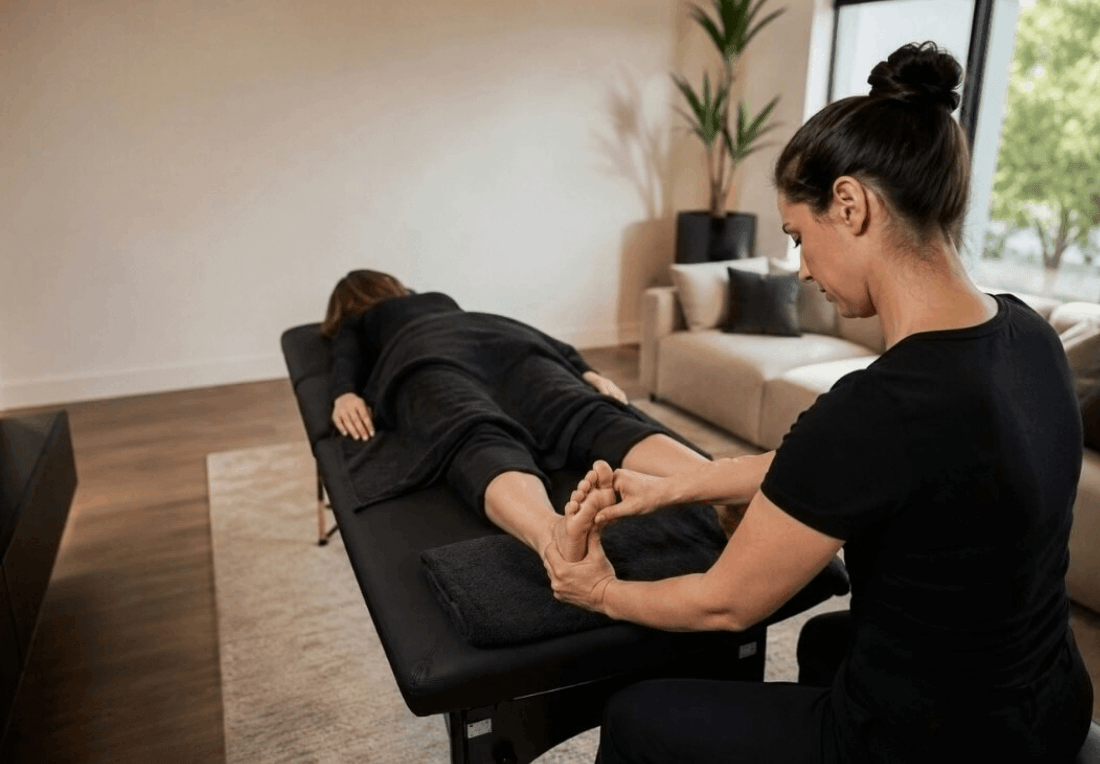
A reflexologist is not working on the muscles of the foot. They are using the foot as an access point to reach everything else. Someone coming in with digestive issues will have most of the session’s attention on the zones mapped to the gut, which sit across the middle of the foot. Someone coming in for stress or sleep will have more time spent on the solar plexus point, tucked into the arch in a spot that most people have never noticed until a reflexologist finds it with their thumb.
The foot gets worked in the process, and most people find the session relaxing regardless of the specific focus, but the relaxation is a side effect rather than the point.
What is Reflexology Good For?
Reflexology works best when the issue is systemic rather than physical: stress, anxiety, sleep problems, hormonal irregularity, digestive complaints, and the general state of feeling like everything is slightly off without any one thing being clearly wrong. It is also worth trying when other approaches have not quite reached whatever the problem is.
What is Massage?
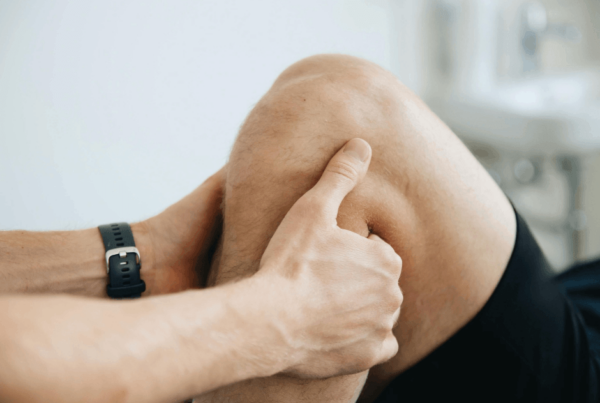
Massage works on the muscles and soft tissue of the body. The goal is to release tension, improve circulation, reduce pain, and support recovery, and all of that happens in the muscles being worked on rather than somewhere else via a map.
What Does a Massage Session Actually Target?
A massage therapist is responding to what they find in the tissue. A tight hamstring gets worked. A shoulder that has been compensating for something gets attention. The session follows what the body is carrying physically, and the benefit is experienced where the work happens rather than somewhere the work is pointing to. This sounds obvious until you compare it to reflexology, at which point it suddenly seems like an interesting choice.
The types of massage vary widely in technique and intention, from remedial work on specific injuries to deep tissue sessions for chronic tightness to relaxation massage for stress relief, but all of them are operating on the muscular system rather than on a pressure point map.
What is Massage Good For?
Massage works best when the issue has a clear physical location. Tight back, sore legs, tension headaches that live in the neck and shoulders, muscle soreness after training, general physical tightness that has built up over time. It also works well for stress relief, though through a different mechanism than reflexology, since massage reduces stress by releasing the physical tension the stress has created in the muscles, rather than by working the nervous system through pressure point zones.
The Key Differences Between Reflexology and Massage
What Part of the Body Gets Worked
In a massage, the work happens where the problem is. Tight calves means work on the calves. Sore lower back means work on the lower back. In reflexology, the work happens on the feet, hands, or ears regardless of where the problem is, because the problem is being approached through the map rather than at the source.
This is the core difference between reflexology and massage, and it is also the thing that makes reflexology sound strange to people who have never tried it and deeply sensible to people who have.
Is Reflexology a Massage?
Technically no, though it is often grouped with massage for scheduling and booking purposes. The hands-on nature and the relaxation effect are similar enough that they sit comfortably in the same category for most people, but the training, the intention, and the mechanism are different. A reflexologist is trained to read and work the pressure point map. A massage therapist is trained to assess and work soft tissue. The skills overlap in places and diverge considerably in others. Asking a reflexologist if they do massage is a bit like asking a dentist if they do surgery. It’s technically adjacent, but not quite the same thing.
Foot Massage vs Reflexology
A foot massage works on the muscles and tissue of the foot itself: the arch, the heel, the toes, the ankle. It feels good and it is useful for tired feet or plantar tension. Reflexology uses the foot as a map to reach the rest of the body, and spending forty minutes on two feet is not about foot muscle release but about what those forty minutes are doing everywhere else. The two can feel similar from the outside and be doing entirely different things on the inside. One is about what is happening in the foot. The other is using the foot to have a conversation with the rest of you.
When to Choose Reflexology
- The problem feels more systemic than physical: you are stressed, not sleeping, hormonally off, or dealing with digestive issues without a clear structural cause.
- You have tried massage and found it helpful but feel like something is not being reached.
- You are dealing with anxiety or chronic stress and want a body-based approach.
- You are curious about whether the foot-body connection does anything for you personally and want to find out.
When to Choose Massage
- There is a specific area of physical tension, pain, or tightness you want addressed.
- You are recovering from training, sport, or physical exertion.
- You have a tight back, sore neck, heavy legs, or any other location-specific complaint.
- You want physical relaxation through muscle release rather than nervous system reset.
When to Book Both
The honest answer is that reflexology and massage complement each other rather than competing, and plenty of people who book one regularly eventually add the other. A massage session followed by reflexology a few days later is a combination that addresses both the muscular layer and the systemic layer of whatever is going on, and the two together tend to produce results that either alone does not fully reach. Think of it as dealing with the hardware and the software in the same week.
Both are available through Blys, bookable at home, and available 7 days a week from 6 am to midnight. If you are still not sure which one you need, reflexology is usually the more surprising of the two, and starting with the one that surprises you is rarely a bad approach.
Book a session at home through Blys, available 7 days a week, 6 am to midnight across Australia.