A French manicure is a nude or natural-toned base with a white tip painted along the free edge of the nail, and doing it at home comes down to proper prep, a steady hand or a good guide sticker, and a sealing top coat that actually protects the tip line. A French manicure looks like the easiest possible nail art, until you actually try to paint a straight white line freehand and end up with something closer to abstract art.
What Is a French Manicure?
The classic look has survived decades of nail trends coming and going, largely because it works with literally everything.
The Classic Nude-and-White Combination
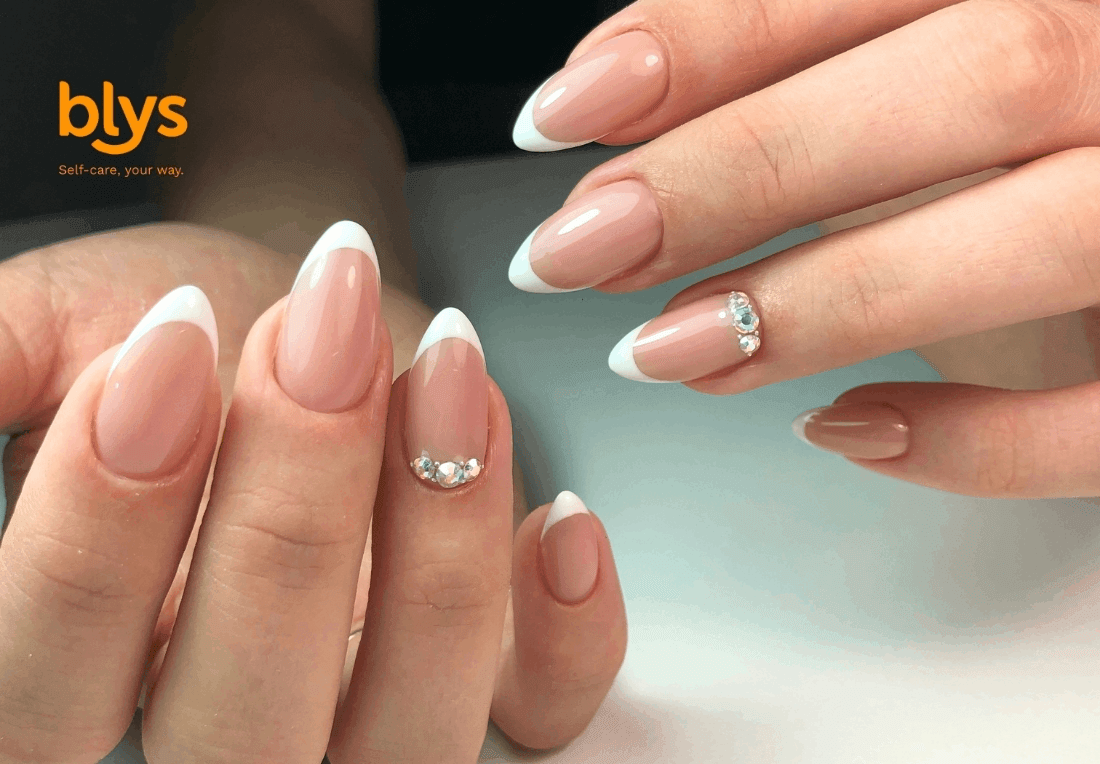
A traditional French manicure pairs a sheer nude, pale pink, or natural base with a crisp white tip following the curve of the nail’s free edge, known as the smile line. This specific combination is what most people picture the moment “French manicure” comes up, and it’s remained the reference point every modern variation still gets compared back to.
Why It’s Remained a Timeless Style
Nail trends come and go with the seasons, and somehow the plain white tip on a nude base has outlasted approximately eleven separate decades of people insisting it was over. Its actual staying power comes down to real versatility, a French manicure looks appropriate at a wedding, an office, or a casual weekend, which is more than most specific colour trends can claim.
Modern Twists on the Classic French
The core structure, coloured tip against a different base, stays the same, but what fills each half has opened up considerably.
Colourful French Tips
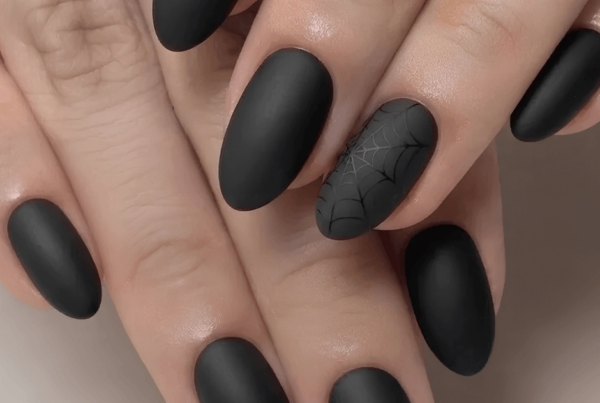
Swapping the traditional white tip for a bold colour, pastel, bright, or even black, keeps the familiar French shape while giving it a completely different personality. This is currently one of the most requested variations, since it lets someone keep a recognisable, classic silhouette while still following current colour trends.
Reverse French
Reverse French flips the whole concept, placing the colour at the cuticle instead of the tip, with the rest of the nail left in the base colour. It’s a properly different visual effect from a standard French despite using the exact same two-colour idea, just applied in the opposite location. Some people find reverse French easier to execute at home than a standard tip, since a cuticle-line guide is generally simpler to judge by eye than a curved tip line running across the whole nail width.
Micro French
Micro French uses a much thinner line at the tip than the traditional wide white band, creating a subtler, more understated version of the same look. This variation suits anyone who likes the French concept but finds the classic wide tip a bit too bold for daily wear.
Chrome French Tips
Combining a chrome finish specifically at the tip with a standard base colour creates a French manicure with an actual mirror shine instead of a flat white line, ranking among the more striking modern takes on the classic shape.
How to Do a French Manicure at Home
Getting an even, symmetrical result at home depends on a few specific steps most people skip when they’re in a hurry.
Prepping Your Nails Properly First
Shaping the nails, gently pushing back cuticles, and lightly buffing the nail surface all matter more than people expect, since the base coat adheres better and looks smoother on properly prepped nails than on ones painted straight over old polish residue or rough edges. Rushing this step is where a lot of at-home French manicures go wrong before the actual painting even starts. Giving the base coat proper drying time before starting the tip, rather than rushing straight into the second colour, prevents most of the smudging that ruins an otherwise careful attempt.
Getting the Tip Right: Stickers vs Freehand
French tip guide stickers are doing more unpaid emotional labour for the at-home manicure community than almost any other five-dollar product in existence. These adhesive guides sit along the natural smile line, giving a clean, straight edge to paint against rather than relying entirely on a steady hand and a thin brush. Freehand is achievable with practice, but it’s realistically one of the harder nail art skills to get symmetrical across all ten nails on the first attempt.
The Makeup Sponge Trick to Actually Try
Discovering the makeup sponge trick for the first time produces the specific kind of smugness usually reserved for finding a properly good life hack that actually works. Cutting a small angled edge into a makeup sponge, then dabbing white or coloured polish onto the tip using that angled edge, creates a soft, gradient-style tip that’s considerably more forgiving of small mistakes than a hard, painted line.
Sealing It Properly So It Actually Lasts
A proper top coat sealed over the finished tip protects the line from chipping at exactly the point most prone to catching on things throughout the day. The same sealing principle that protects any nail finish applies here too, since the tip line is actually the most vulnerable part of the entire manicure if it isn’t properly sealed.
Common Mistakes to Actually Avoid at Home
Painting the tip before the base coat has fully dried is one of the most common at-home mistakes, since the wet base drags and smudges the white line before it’s had a chance to set. Applying the tip colour too thick in one go, rather than in two thin coats, often looks streaky and takes longer to dry evenly than a properly thin application would. Skipping the guide sticker or a steady reference point entirely and going fully freehand on the very first attempt is asking a lot of a skill that actually improves with repetition rather than natural talent.
Are French Manicures Still in Style?
Yes, actually more so in recent years than at almost any point since the style first became a classic. The wave of modern variations, colourful tips, micro French, chrome tips, has actually driven a real resurgence rather than the classic style simply hanging on out of habit. A colorful French specifically has become one of the most searched variations of the style, alongside the classic white-tip version. Searching “are French manicures in style” mostly turns up the same answer from different angles: yes, and arguably more relevant right now than the plain white-tip version was a decade ago.
Choosing the Right Shape and Base for Your French
Certain nail shapes show off a French tip more clearly than others, since the smile line needs enough flat or gently curved surface at the tip to actually read as a clean line rather than getting lost in an aggressive taper. Squoval and oval shapes usually display a classic French tip especially well, while a very narrow almond or stiletto shape can make the tip line harder to keep even.
Natural Nails or an Extension System
A French manicure works perfectly well on natural nail length, but it also pairs easily with an extension system if more length is wanted first, since the tip application process works the same way regardless of what’s underneath it.
Getting the base, the tip, and the seal all right is what separates a French manicure that photographs as clean and classic from one that reads as a well-intentioned attempt. Checking a provider’s reviews for actual French manicure examples gives a clearer sense of whether a technician can produce a properly even smile line, if the at-home attempt doesn’t turn out as planned.
Booking the professional version once, even just to see what an evenly done smile line actually looks like, makes it a lot easier to judge whether the DIY attempt is actually working.
Book a French Manicure Session at Home →
Frequently Asked Questions
What is a French manicure?
A French manicure is a nude or natural-toned base with a white tip painted along the free edge of the nail, following the natural curve known as the smile line.
How do you do a French manicure at home?
Prep the nails first, then use either a guide sticker or a steady freehand technique to paint the tip, or try the makeup sponge trick for a softer, more forgiving line, before sealing everything with a proper top coat.
What are French tip nails exactly?
French tip nails describe the same concept as a French manicure, a base colour paired with a distinct tip colour, most classically white, painted along the nail’s free edge.
What are some modern French nail designs?
Colourful French tips, reverse French with the colour at the cuticle instead of the tip, micro French with a thinner line, and chrome French tips combining a mirror finish with the classic shape are all popular current variations.
Is colourful French manicure a real trend?
Yes, swapping the traditional white tip for a bold or pastel colour while keeping the familiar French shape is currently one of the most requested variations of the style.
Are French manicures in style right now?
Yes, arguably more so than at many points since the style became a classic, largely thanks to the modern variations that have driven a real resurgence rather than the original style simply persisting out of habit.
What’s the most common mistake when doing a French manicure at home?
Painting the tip before the base coat has fully dried is the most common mistake, since the wet base drags and smudges the white line before it sets. Applying the tip too thick in one go, rather than in two thin coats, is a close second.
Does a French manicure work with gel or just regular polish?
Both. The tip application process works the same way whether it’s done with regular polish or gel, though gel typically holds the finished result longer before it needs a touch-up.
What’s the easiest way to do a French tip at home without steady hands?
Guide stickers are the most beginner-friendly option, giving a clean edge to paint against. The makeup sponge trick is a close second, since a soft, dabbed tip forgives small mistakes far more than a hard painted line does.
Does nail shape affect how a French manicure looks?
Yes, squoval and oval shapes generally display the smile line most clearly, while a very narrow almond or stiletto shape can make an even tip line harder to achieve.
Can a French manicure be done over acrylic or dip powder nails?
Yes, the tip application process works the same way regardless of what system sits underneath, so a French manicure pairs just as easily with an extension system as it does with natural nail length.