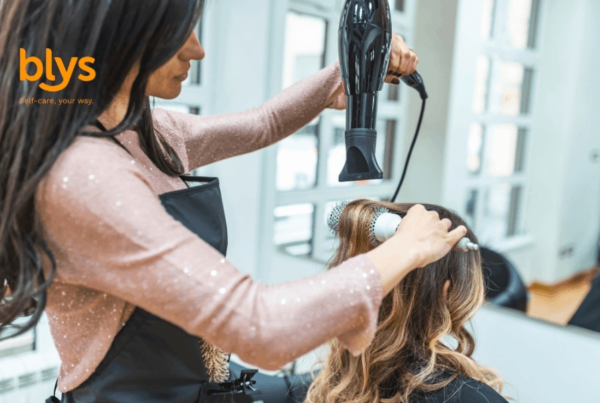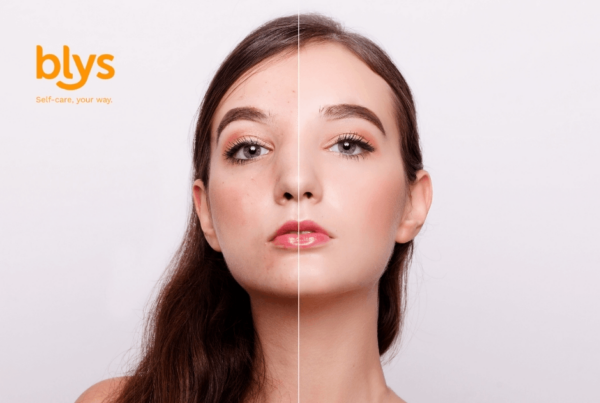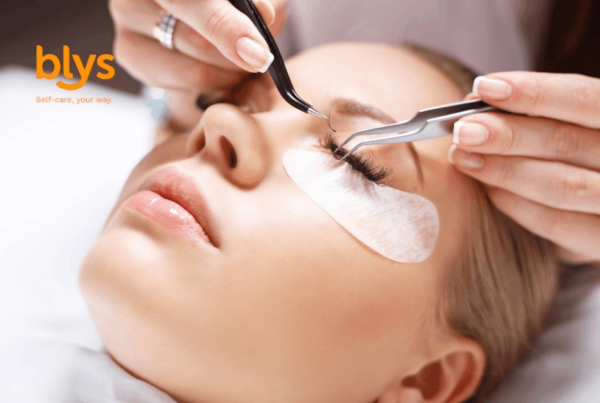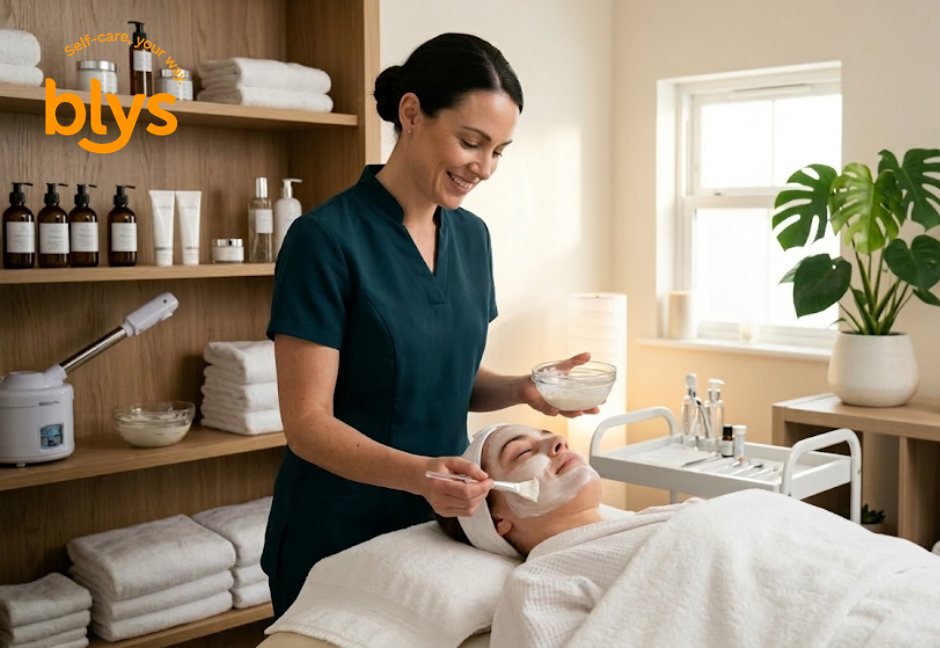
Learning how to become a beauty therapist in Australia starts with picking the right training, then building the skills, kit and client base that turn a certificate into a genuine career? Australia’s beauty industry keeps growing, with demand for trained therapists spanning salons, day spas, medispas and increasingly, mobile services that bring treatments to a client’s door; the same model Blys uses across its massage, beauty and wellness marketplace. This guide walks through every stage: what the role involves, the training you need, how to land your first job, and how to build a steady client base once you’re working, whether that’s employed in a salon or running your own independent practice. If you’re still weighing up whether this path is right for you before you commit to training, it’s worth reading whether beauty therapy is a good career first.
What is a Beauty Therapist?
A beauty therapist is a trained professional who delivers skin, body and cosmetic treatments in a safe, hygienic, client-focused setting. In Australia, the role covers facials, waxing, lash and brow services, nail care, make-up application, and select body treatments, backed by a nationally recognised qualification. Beyond treatments, a beauty therapist manages the client relationship end to end: consultation, treatment planning, product advice and aftercare. Some therapists keep a broad, general scope, while others narrow their focus into a specific specialisation, like becoming a facial therapist, as they build experience. Formal training is what separates a beauty therapist from someone offering treatments without accreditation.
What Does a Beauty Therapist Do?
Day to day, a beauty therapist performs hands-on treatments while managing everything around them: greeting clients, running consultations, recommending suitable services and handling admin like bookings and stock. Common treatments include facials and skin analysis, waxing and other hair removal treatments, brow and lash shaping or tinting, manicures and pedicures, spray tanning, make-up application and body treatments such as wraps and exfoliation. Some therapists offer a broad general menu, while others specialise as they build experience. Client communication carries as much weight as technical skill: therapists assess concerns, explain treatments clearly and advise on home care, which is what turns a one-off booking into a returning client.
Where Beauty Therapists Work
Beauty therapists work across salons, day spas, medispas, hotels and cruise ships. A growing number now work as mobile beauty therapists, travelling to wherever the client needs them, a home, a wedding morning, a graduation, a corporate office, or a hotel room ahead of an event. Blys For Business is one example of how that corporate side works in practice, connecting therapists with offices and events looking for on-site treatments. Platforms like Blys connect clients with independent beauty therapists for at-home appointments, one of the industry’s fastest-growing paths.
Beauty Therapist vs Beautician: What’s the Difference?
A beautician typically offers basic grooming services like waxing, make-up and nail care. A beauty therapist holds more advanced training, covering skin science, body treatments and technical procedures such as electrolysis. The terms overlap in casual use, but formal training separates the two professionally.
Hairstyling sits further outside this comparison again, running on its own training and qualification path entirely, even though hairdressers and beauty therapists often work side by side in the same salons.
Skills You Need to Succeed
Technical training gets you in the door, but the skills that determine how far you go go beyond treatments. Beauty therapists who build lasting careers combine steady technical ability with strong client communication, and those who go independent add a third layer: running the business side without a salon manager handling it for them. Employers and clients both notice the difference between someone who can perform a treatment correctly and someone who makes the whole experience feel professional from booking to aftercare.
Technical Skills
Technical skill covers the physical execution of treatments: steady hands for waxing and lash work, precision for skin analysis, and a working knowledge of product ingredients and contraindications. Beauty therapists also need strict hygiene and sanitation habits, since infection control is non-negotiable in every treatment setting. Most of this comes from formal training, but it sharpens with hours on real clients.
Client Communication and Consultation Skills
A beauty therapist consults before nearly every treatment: asking about skin concerns, health history and goals, then explaining what the treatment involves and what aftercare looks like. Clients return to therapists who listen and explain clearly, not just those who deliver a good treatment. This skill matters most in the first few minutes of any appointment, when trust either builds or doesn’t.
Business and Admin Skills (for Independent Therapists)
Therapists working independently or mobile take on tasks a salon usually handles for them: managing bookings, tracking stock, setting prices, and staying on top of insurance and admin. None of this is covered in a standard beauty therapy course, so building this skill set deliberately beats learning it by trial and error once clients are already booking in.
7 Steps to Becoming a Beauty Therapist in Australia
Becoming a beauty therapist in Australia follows a clear sequence: get qualified, build your kit, land your first role, build a client base, grow your network, decide whether to go independent, then keep specialising as your career develops. Each step builds on the last, so skipping ahead, like jumping straight to marketing before you’re qualified, usually slows things down rather than speeding them up. Here’s the full path, step by step.
Step 1. Get Qualified
Every beauty therapy career starts with a nationally recognised qualification. The entry-level option is a Certificate III in Beauty Services, which covers core treatments like skincare, waxing and nail services. Most salons and spas prefer a Certificate IV in Beauty Therapy, which adds more advanced techniques and broader scope of practice. A Diploma of Beauty Therapy goes further again, opening doors to clinic management or running your own beauty business.
Choosing the Right Course
Look past the course name and check what’s actually covered: facial treatments, waxing and hair removal, nail care, body massage, brow and lash services, and client consultation and record-keeping. Confirm the course is delivered by a registered training organisation and search the provider on the ASQA register before enrolling. A qualification from an unaccredited provider won’t be recognised by employers, no matter how the course is marketed.
International Qualifications to Know About
If you’re planning to work overseas or want credentials that carry weight in premium settings, CIDESCO is one of the most respected accrediting bodies in global beauty and aesthetics, recognised across more than 40 countries. CIBTAC is another worth knowing, particularly for UK and international markets. Confirm the awarding body has real standing in whichever market you’re targeting before committing to the extra training.
How Long Does It Take and What Does It Cost?
A Certificate III typically takes around six months full-time, a Certificate IV extends that to roughly twelve months, and a Diploma can take twelve to eighteen months depending on the provider and study load. Costs vary widely by RTO and state, and government subsidies or payment plans are often available, so comparing several providers beats enrolling with the first one you find. Part-time and online-theory options exist for most levels, which stretches the timeline but can suit anyone studying around work or family commitments.
Step 2. Build Your Professional Kit
Before buying anything, get clear on which services you plan to offer, since that decides what kit you actually need. Make-up artists need foundations, concealers and a wide shade range, plus brushes, sponges and sanitising products. Therapists focused on facials or skincare need cleansers, exfoliants, serums and moisturisers for different skin concerns, along with tools like facial steamers and extractors. Your kit will keep evolving as you add services, so there’s no need to buy everything up front.
Step 3. Get Your First Role
Once qualified, the next challenge is landing your first role. Entry-level competition can be tight in popular markets, but a few deliberate moves improve your odds by a real margin.
Start With the Right Entry-Level Roles
Target roles that build skills and confidence quickly: junior beauty therapist positions with senior support, reception or retail roles inside a beauty clinic, beauty assistant roles at department store counters, or placements arranged through your training provider. Don’t dismiss junior titles or modest starting pay. Many therapists look back on their first role as the period they grew the most.
Build Your Portfolio During Training
Start documenting your work before you graduate: before-and-after photos taken with explicit client consent, a log of treatments performed, and feedback from trainers or practice clients. A clean, organised portfolio, physical or digital, lets employers see your standard of work for themselves rather than taking your word for it at interview.
Write Applications That Stand Out
Tailor each application to the specific salon or spa. Research their clientele and aesthetic, then reflect that understanding in your cover letter. Highlight the treatments you’re trained in and any particular strengths. For beauty consultant roles at retail counters, lean into product knowledge and customer service alongside technical training, since those roles lean as much on recommendation skills as treatment skills.
Step 4. Build Your Client Base
Landing a role is one milestone. Building a steady, loyal client base is the next, and it’s a skill in its own right, whether you’re employed in a salon or working independently.
Deliver an Exceptional Experience Every Time
Consistently great service is what turns a one-off client into a regular. Greeting clients by name, remembering their preferences, explaining treatments clearly and checking in after a new treatment all build trust that keeps people coming back. Word of mouth remains one of the strongest growth channels in beauty therapy, since referred clients usually book with confidence from the start.
Use Social Media to Get Found
Instagram and TikTok have changed how clients find beauty therapists. A clean, consistent profile showing your work helps attract new enquiries and keeps current clients engaged, and professional photography isn’t required to start. Good lighting, a tidy background and clear before-and-after images make a strong impression on their own. Posting regularly, using local hashtags and treatment-specific tags, expands your reach over time.
How Booking Platforms Like Blys Help You Find Your First Clients
Online booking platforms have become one of the primary ways clients find therapists, particularly for mobile or at-home services. Being discoverable where people are already searching generates enquiries without a marketing budget. Blys connects clients directly with independent beauty therapists for at-home appointments, handling the booking infrastructure so you can focus on treatments rather than admin. For therapists just starting out, this removes one of the biggest barriers to building a client base from zero.
Step 5. Build Your Professional Network
A strong network inside the beauty community brings support, learning and growth opportunities that are hard to build alone. Industry events, online forums and local meetups all help expand your professional circle. Providers registered through Blys also have access to a private community group, giving independent therapists a place to connect with peers and the Blys team directly, something salon-based therapists get automatically through colleagues but independent therapists have to build deliberately.
Step 6. Go Independent as a Mobile Beauty Therapist
Going independent is one of the most rewarding moves a beauty therapist can make: control over your schedule, your rates, and direct client relationships, without handing a percentage of every treatment to a salon. It also means taking on the business side yourself.
What Mobile Beauty Therapy Actually Involves
Mobile beauty therapy means travelling to the client, whether that’s their home, a hotel or a workplace, with everything you need packed and ready. Your kit needs to be portable and well organised, and your day-to-day includes travel time between appointments, not just the treatments themselves. Platforms like Blys handle bookings and client discovery, which means the operational load sits mainly on logistics and treatment quality rather than marketing from scratch.
Licensing, Insurance, and Legal Requirements
Before taking clients independently, confirm your qualification meets local licensing requirements and arrange professional indemnity insurance, which covers you if a client claims a treatment caused harm. Public liability insurance is a good add too, since it covers accidents or property damage at a client’s home. Most booking platforms, Blys included, require current insurance before you can take bookings.
Pricing Your Services
Pricing mobile beauty services takes more than copying what others charge nearby. Your rates need to reflect local market expectations alongside the real cost of delivering treatments in a client’s home: travel time, product use, insurance and any platform fees. Many clients are willing to pay more for the convenience of at-home service, particularly for treatments like gel nails, waxing or facials, so undercutting salon prices isn’t necessary to stay competitive.
Step 7. Specialise and Grow Your Career
Once you’ve built a client base, the direction your career takes from there is largely up to you. Beauty therapy rewards ongoing education, both in what you can offer clients and what you can charge for it.
Specialise in High-Demand Treatments
Certain treatments command consistently higher price points: advanced facials like microdermabrasion and chemical peels, lash lifting and volume lash extensions, brow lamination, body contouring, and bridal or event makeup artistry. Makeup, in particular, often grows into its own separate career built around bridal work and portfolio-building rather than staying a beauty therapy add-on. Specialising helps you stand out in a crowded market and usually generates strong word-of-mouth referrals within specific client communities.
Moving Into Management, Education, or Product Training
Career growth in beauty therapy isn’t limited to more treatments. Experienced therapists move into salon or clinic management, education roles, training the next generation of therapists, or product training positions with suppliers. Short courses and advanced certifications keep opening doors well beyond the first few years in the industry.
Yoga and Pilates instruction is another direction some beauty and wellness professionals move into as they broaden their practice. The path from certification to a full calendar of private clients follows a similar rhythm to building a beauty therapy client base — the day-to-day work looks completely different, but the business-building steps are surprisingly alike.
Beauty Therapist Salary and Earning Potential in Australia
How much a beauty therapist earns in Australia depends on experience, location, qualifications, and whether you’re employed or self-employed. Jobs and Skills Australia reports median full-time earnings of around $1,178 a week, or roughly $61,000 a year before tax, with therapists in premium clinics or senior roles earning more. Lash and brow work has grown enough as its own specialty that a lot of technicians now build an entire career around the fill and rebooking cycle alone, separate from general beauty therapy. Location plays a role too: therapists in major cities generally have access to higher-paying clients, while regional areas can offer less competition and stronger referral networks.
Salaried vs Self-Employed Earnings
A salaried role in a salon or spa gives you a predictable income without the overhead of running a business, since marketing, bookings and admin are handled for you. Self-employed and mobile therapists can charge higher rates, particularly once they’ve built a steady client base or specialised in in-demand treatments, but that upside comes with added responsibility: managing your own insurance, marketing, and the inconsistency of building bookings from scratch. Neither path is objectively better. It depends on whether you’d rather trade some earning ceiling for stability, or take on more admin for greater control over your income.
Frequently Asked Questions
What qualifications do I need to become a beauty therapist?
At minimum, a Certificate III in Beauty Services from a registered training organisation. Most salons and spas prefer a Certificate IV in Beauty Therapy, and a Diploma opens up clinic management or business ownership. Check any provider against the ASQA register before enrolling.
How long does it take to become a beauty therapist?
A Certificate III takes around six months full-time. A Certificate IV extends that to roughly twelve months, and a Diploma can take twelve to eighteen months. Part-time and online-theory study options stretch these timelines but suit anyone studying around other commitments.
How much does a beauty therapist earn in Australia?
Median full-time earnings sit around $1,178 a week, or roughly $61,000 a year before tax, according to Jobs and Skills Australia. Self-employed and mobile therapists can earn more once they’ve built a steady client base, though that comes with added business costs and admin.
Can I become a beauty therapist without formal qualifications?
No. Beauty therapy requires a nationally recognised qualification in Australia, and most employers, booking platforms and insurers require proof of accredited training before you can take on clients. Unaccredited training won’t be recognised, regardless of how the course is marketed.
What’s the difference between a beauty therapist and an esthetician?
An esthetician is the term used in the United States for a role that closely matches what’s called a beauty therapist in Australia and the UK. The scope of practice can vary slightly by country, but the qualifications and treatments largely overlap.
Ready to Start Your Beauty Therapist Career With Blys?
Blys is one of Australia’s leading platforms for mobile massage, beauty and wellness services, connecting independent providers with clients who book treatments at home, in hotels, or at events. If you’re already qualified and looking for a flexible way to earn on the side, Blys makes it simple to start taking bookings. There’s no salon overhead, no fixed roster, and no need to build a client base entirely from scratch. You set your own hours, work around existing commitments, and Blys connects you directly with clients across Australia who are actively booking at-home beauty treatments.
Sign up as a provider for Blys to start taking bookings on your own schedule, whether that’s a few extra sessions a week alongside salon work or the start of a fully independent practice.