Half the industry learned winged eyeliner from YouTube at 2am, and nobody’s checking credentials at the door, which tells you something true about a makeup artist career: the skill counts for more than the paper trail. Still, if you’re weighing this up properly, from what the job actually involves through to what you can earn and where the work is heading, it helps to see the whole picture rather than piecing it together from tutorials and vibes.
What the Role Involves
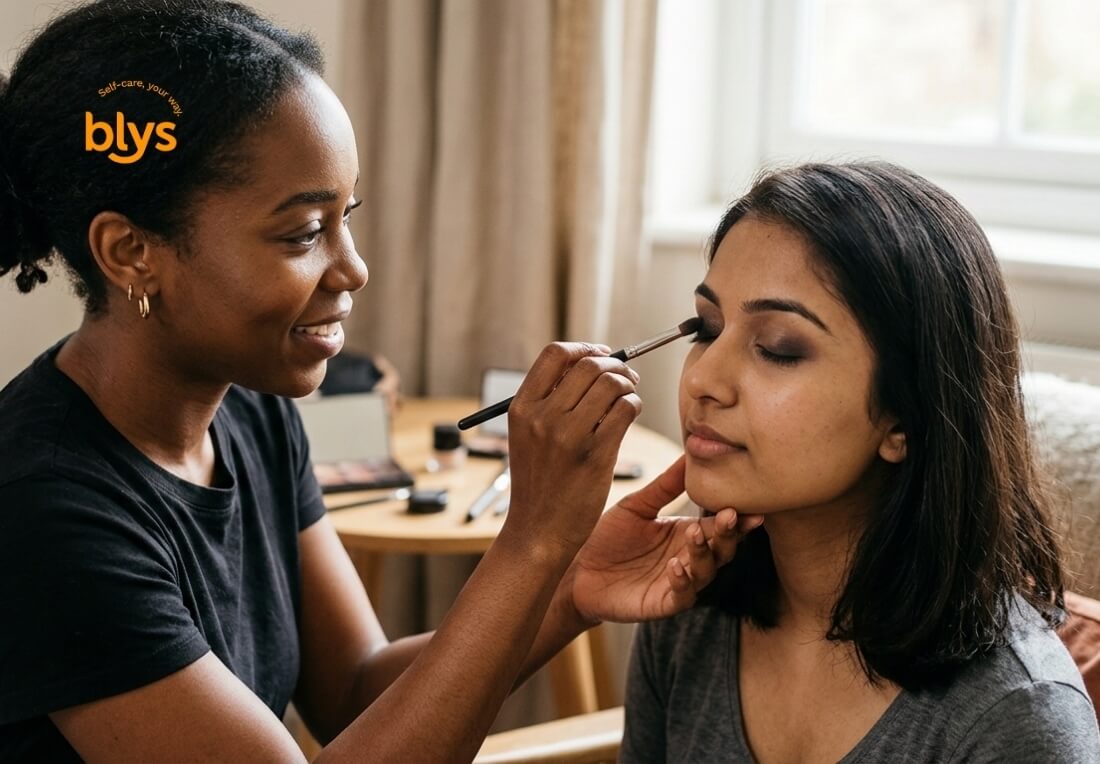
A makeup artist’s day covers a lot more ground than the highlight reel on social media suggests, and the actual job is built on a mix of technical skill, product knowledge, and reading a room fast.
Bridal and Event Makeup Is the Bread and Butter
Weddings, formal events, and special occasions make up the bulk of bookings for most makeup artists, and bridal work in particular comes with its own pressure: one shot, all-day wear, and a client who’s already run through every possible thing that could go wrong before you’ve even opened the kit. By the time you’re doing the mother of the bride’s contour, you’ve usually also heard the full seating chart drama, whether you asked for it or not.
Building a Kit That Covers Every Skin Tone and Type
A serious kit spans a properly wide foundation and concealer range, since matching every skin tone that walks through the door isn’t optional if you want repeat clients and referrals. Nailing a foundation match under bad venue lighting is about as close as this job gets to a party trick, and it’s the kind of skill that separates artists who get rebooked from ones who don’t. Beyond shade range, a proper kit covers primers, setting sprays, false lashes, and enough brushes to make an accountant nervous, and it all adds up: a proper kit costs more than some people’s cars, just smaller and a lot more likely to end up on someone’s face.
Special Occasion and Session Work Beyond Weddings
Photoshoots, formal events, proms, and brand or influencer work sit alongside weddings as a steady source of bookings, and each one asks for something slightly different: editorial work leans more experimental, event makeup needs to survive hours under lights and photos, and session work for photography often means adjusting for how makeup reads through a camera rather than in person. Building experience across a few of these categories, rather than only bridal, usually opens up more consistent work over time, and a lot of that variety ends up coming through a provider profile on Blys rather than any single referral source.
Sanitation and Product Safety Aren’t Optional
Applying products right on someone’s skin means hygiene practices matter as much as technique: disposable applicators, sanitised brushes between clients, and being upfront about ingredients for anyone with allergies or sensitive skin. It’s not the glamorous part of the job, but it’s the part that keeps clients coming back and keeps a reputation intact.
Salary and Earning Potential
Money in this line of work looks different depending on where you sit: building a portfolio, working for a brand or studio, or running your own client base.
Building a Portfolio Comes Before the Money Follows
Early on, a lot of the work is portfolio-building rather than high-paying, whether that’s discounted bridal trials, styled shoots with photographers, or assisting a more established artist on bigger jobs. It’s an unglamorous stretch financially, but a strong portfolio is what eventually lets an artist charge what the work is actually worth instead of what a new business needs to charge just to get bookings.
Freelance Rates Look Different From a Salary
Once established, freelance and mobile makeup artists in Australia charge per service rather than earning a fixed wage, and bridal work commands the highest rates in the category. Bridal makeup for the bride typically sits between $150 and $450 for makeup alone, with trials, bridesmaids, and travel priced on top, and rates in Sydney and Melbourne running at the higher end of that range. According to Bark’s 2025 wedding makeup data, the average cost of wedding makeup across Australia sits between $500 and $785 for the full service, though the range is wide depending on experience and location.
Salon, Counter, and Studio Roles Pay Differently Again
Makeup artists working in a fixed role, like a cosmetics counter, salon, or studio, typically earn a set wage rather than per-service rates, and these roles usually sit lower than what an established freelance or mobile artist can charge once they’ve built a client base, though they usually come with more predictable hours and less of the feast-or-famine rhythm freelance work can have early on.
Where the Real Earning Potential Sits
The biggest jump in income usually comes from a mix of higher-value bookings (bridal parties instead of single faces), retainer-style relationships with brands or content creators, and a client base built enough on repeat business and referrals that marketing stops being a constant cost. Artists who get here didn’t necessarily start with a bigger kit. They started by getting good at the boring, repeatable parts of running a business alongside the creative work, and building a Blys provider profile is usually one of the earlier, easier wins in that process.
Job Outlook
Special occasions haven’t gone anywhere, and neither has the human instinct to want to look put together for them, which keeps this career more stable than its glamorous reputation might suggest.
Social Media Turned Makeup Artistry Into a Visible Career
Platforms built around short video and before-and-afters have done more for this industry’s visibility than any single trend, turning makeup artistry from a behind-the-scenes job into one people actively follow and book based on a portfolio they’ve seen online. That visibility cuts both ways: more competition, but also a much easier path to being discovered without waiting on salon foot traffic.
Weddings and Events Keep Demand Fairly Steady
Regardless of what the broader economy’s doing, people keep getting married, keep having formal events, and keep wanting to look their best for both, which gives this career a demand floor that a lot of more discretionary services don’t have. That baseline doesn’t disappear even when spending tightens elsewhere.
Mobile and On-Location Work Is Growing Fastest
The clearest shift in the industry right now is where the work happens: clients increasingly want their makeup artist to come to them, whether that’s a bridal party getting ready together at home or an event client who doesn’t want to add another stop to an already tight schedule. Mobile and on-location bookings are the fastest-growing part of the category, and that shift toward convenience is only getting stronger.
How to Go Independent and Work Through Blys
Going independent as a makeup artist is less about ticking a licensing box and more about having the skill, the kit, and a way for clients to actually find you. Here’s how that actually plays out, from what you need before you start to how clients end up finding you in the first place.
What You Need Before Going Independent
In Australia, makeup artistry isn’t a government-licensed occupation, so there’s no mandatory certification standing between you and working independently, though completing a recognised course (like a Certificate III in Makeup Services) builds the technical foundation a lot of successful artists rely on. What you will need regardless of training path is a complete, well-maintained kit and consistent sanitation practices, since that’s what clients and referrals actually depend on.
Setting Your Own Rates and Handling Trials
Independent work means setting your own prices instead of working off someone else’s rate card, and bridal trials are where a lot of that pricing conversation happens: getting the trial right is usually what turns a one-off booking into the full wedding day booking, plus referrals to the rest of the bridal party. Artists who treat the trial as seriously as the wedding day itself usually build repeat and referral business faster than ones who treat it as a formality.
Getting Matched With Clients Who Are Already Looking
A mobile platform like Blys does the part that used to depend entirely on word of mouth and Instagram algorithms: it puts you in front of clients actively searching for a mobile makeup artist, rather than waiting for a referral or a lucky share to bring the next booking in. Once you’re set up, signing up as a provider gets your kit and your portfolio in front of people who are already looking for exactly what you do, rather than hoping the right person stumbles onto your page.
Whether you’re fresh off finishing a course or ready to take a portfolio full of bridal work and finally make it pay properly, the path to steadier bookings starts with the right setup and a profile that gets your work in front of people already looking for it.
Sign Up as a Makeup Artist on Blys →
Frequently Asked Questions
What Does a Makeup Artist Salary Look Like in Australia?
Freelance and mobile makeup artists charge per service rather than earning a fixed salary, and bridal work sits at the top of the rate range. Bridal makeup for the bride typically runs between $150 and $450 for makeup alone, with trials and additional bridal party faces priced separately on top. Salon, counter, and studio roles pay a set wage instead, which usually sits lower than what an established freelance artist can charge, though it comes with steadier hours and less of the feast-or-famine rhythm that freelance work can have early on.
What Is the Job Outlook for a Makeup Artist Career?
Demand stays fairly steady since weddings and formal events keep happening regardless of the broader economy, and the fastest-growing part of the industry right now is mobile and on-location work, as more clients want their artist to come to them instead of the other way around.
Do You Need a Qualification to Become a Makeup Artist in Australia?
No formal qualification is legally required, since makeup artistry isn’t a licensed occupation in Australia, though completing a recognised course like a Certificate III in Makeup Services gives most artists the technical foundation they build the rest of their skills on.
How Is a Makeup Artist Different From a Beauty Therapist?
A makeup artist focuses specifically on makeup application for events, bridal work, and photography, while a beauty therapist covers a broader scope that usually includes skincare, facials, and other treatments alongside or instead of makeup. Some artists do both, but the core skill sets and typical training paths are properly different.
How Do I Become a Mobile Makeup Artist?
Once you’ve built a solid kit and a portfolio you’re proud of, going mobile means pricing your services, sorting your travel logistics, and finding a way to reach clients instead of relying purely on referrals. Signing up with a platform like Blys is a fast way to start getting matched with clients already looking for a mobile makeup artist.