Burnout in Australian workplaces is getting worse, not better. According to the State of Workplace Burnout 2025 report, 43% of Australian workers are experiencing burnout, up 17% from the previous year. Beyond Blue puts the figure at one in two Australians facing workplace burnout at some point. Australia is consistently above the global average.
For managers, this isn’t just a wellbeing issue. Burnout affects how people think, communicate, and make decisions. It drives absenteeism, disengagement, and turnover. And unlike a lot of workplace problems, it tends to build quietly until it’s already serious.
This guide covers what burnout actually looks like in practice, the warning signs to watch for, what most prevention programs get wrong, and what managers can actually do about it.
Note: This blog is for general informational purposes only and does not constitute clinical, medical, or psychological advice.
What Is Employee Burnout and How Does It Show Up at Work?
The World Health Organisation classifies burnout as an occupational phenomenon, not a medical diagnosis, resulting from chronic workplace stress that hasn’t been managed. It shows up in three ways: physical and emotional exhaustion, increased mental distance from the job, and reduced effectiveness at work.
In practice, it rarely announces itself. Most people experiencing burnout don’t say “I’m burnt out.” They say they’re tired. They’re quiet in meetings they used to engage in, stop offering ideas, short with colleagues, and take longer to complete work that used to come easily.
By the time it’s obvious, it’s already well advanced. That’s why early recognition matters more than most managers realise.
Employee Burnout Signs to Watch For
Burnout has physical signs as well as behavioural ones. Knowing both gives you a fuller picture.
Behavioural Signs of Staff Burnout
A previously engaged employee who stops contributing in meetings is worth paying attention to. So is someone who has become noticeably more cynical, withdrawn, or irritable. Missed deadlines from someone who used to be reliable, a drop in work quality, or a sudden increase in sick days can all signal that something is wrong.
Presenteeism, being at work physically but not really there, is one of the most common and most missed signs. The person is technically showing up. They’re just not functioning.
Physical Signs of Burnout at Work
Burnout is not just a mental experience. Chronic stress builds up in the body, causing persistent headaches, disrupted sleep, muscle tension particularly in the neck, shoulders, and back, and a lowered immune response that results in more frequent illness. Employees carrying this kind of physical load are often doing so without connecting it to their work situation.
When you see someone who looks physically worn down over a sustained period, not just after a big project, that’s worth a conversation.
Why Most Employee Burnout Prevention Programs Fall Short
Most burnout prevention programs focus on awareness and access to resources. Both are valuable but neither addresses the physical dimension of burnout, and neither changes the conditions that produce it.
Telling a burnt-out employee about an Employee Assistance Program (EAP) they can call is not burnout prevention. It’s a burnout response, and a fairly minimal one. Apps, webinars, and wellbeing challenges can contribute to a supportive culture, but they don’t give the body what it needs to actually recover from chronic stress.
The other common mistake is scheduling wellness activities that pull people away from an already unmanageable workload. A team that’s behind on deadlines and then gets told to attend a mindfulness session at 2pm on a Wednesday is not a team that comes back refreshed. They come back more behind. Compulsory wellness programming on top of unsustainable work is not a solution. It’s a box tick.
What Actually Prevents Burnout at Work in Australia
The research is fairly clear on what actually reduces burnout. Workload management comes first, no wellness benefit compensates for sustained overwork. Beyond that, the evidence points toward three things: genuine recovery time, physical stress relief, and feeling valued by the organisation.
Physical recovery matters more than most programs acknowledge. Chronic stress builds physical tension that doesn’t go away on its own. Regular massage, whether through in-office sessions or an at-home benefit, addresses this directly. A 2024 systematic review of 137 studies found that physical touch interventions are especially effective at regulating the body’s stress response in ways that passive relaxation doesn’t match.
Feeling genuinely valued matters too. A wellness benefit that employees actually use and enjoy signals something different from a lunchtime seminar nobody attends. It says the organisation is investing in their physical recovery, not just acknowledging that stress exists.
How to Support Employee Mental Health Without Adding to Their Plate
This is the part most managers worry about. The last thing a burnt-out team needs is another thing to do.
The key is making the benefit low-effort to access. If an employee has to book two weeks in advance, travel somewhere, or carve out half a day, most of them won’t do it, especially the ones who are already stretched.
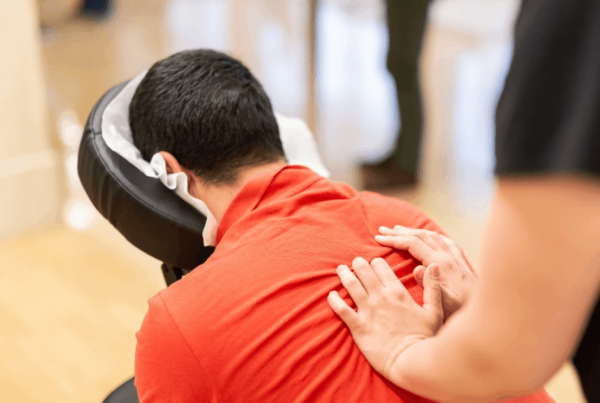
In-office chair massage through Blys is a good example of this done well. Therapists come to the workplace, set up in a meeting room or open space, and employees book a 10 to 20-minute session during their day. There’s nothing to organise, travel to, or prepare for. It fits into a regular working day and employees come back to their desk having had a genuine physical break, not a reminder that they should be taking better care of themselves.
For remote teams, the at-home format works just as well. A therapist comes to the employee at their home, fully equipped, at a time that suits them. There’s no commute, no rearranging the day, and no barriers for people with caring responsibilities or non-standard hours.
One practical way to offer this as a team benefit is through Blys gift vouchers. Managers can give employees a voucher to book their own in-home massage session at a time that works for them. It’s flexible, it doesn’t require anyone to coordinate schedules across a distributed team, and it gives employees genuine choice over when and how they use the benefit. For a remote worker who hasn’t had a proper break in weeks, that kind of access makes a real difference.
The benefit works best when it’s offered consistently rather than as a one-off. A monthly session, even a short one, does more for physical recovery than an annual wellness day that gets a lot of attention and then disappears from the calendar.
For organisations looking to build this into a team program, get in touch with our team to talk through what works for your team’s size and setup.