Does massage help rheumatoid arthritis? Massage for rheumatoid arthritis, when it’s gentle, may ease stiffness and tension and help you feel calmer, but it’s for comfort and not treatment, and it needs different handling during a flare-up than in a calm period. During a flare, the rule is look, don’t touch: skip the hot, swollen joints and ask your rheumatologist. In calm periods, light Swedish-style work on the hands, feet and muscles around the joints is the usual fit. Your immune system is an enthusiastic bouncer that keeps throwing out the wrong guests, which in this case are your own joints, and massage can’t retrain it. If getting out the door is half the battle, Swedish massage at home brings the gentle option to you.
Rheumatoid arthritis needs a doctor-led plan, so the signs to call a doctor sit at the top of this post, and the rest is about comfort, timing and safety.
First, the Safety Bit: When to Call a Doctor
Some joint symptoms are urgent, and massage isn’t the answer to any of them. Read this part before booking anything.
Call 000 for These Signs
Call 000 if joint pain or swelling comes with chest pain, shortness of breath, coughing up blood or feeling faint. Also call if you have a high fever with a very hot, red, swollen joint and you feel seriously unwell, since that can mean a joint infection, and people on immune-lowering medicines are at higher risk.
See a Doctor the Same Day for These Signs
See a doctor the same day, and skip massage, if one joint turns suddenly hot, red and very swollen, if you have a fever, if a calf is swollen, red, warm or painful, or if your skin has signs of infection like spreading redness, pus or a wound that won’t heal.
See Your Rheumatologist Soon for These Signs
Contact your rheumatologist soon if flares are getting more frequent or longer, if new joints are swelling, if you have neck pain with numbness, tingling or weakness in the arms or legs, or if you notice dizziness or trouble with balance. Don’t stop or change any medicine on your own.
Not Diagnosed Yet?
If you have joint pain and swelling in both hands or feet, morning stiffness that lasts more than half an hour or an hour, or you feel tired and unwell with it, see your doctor before trying any massage plan. Early treatment matters a lot with rheumatoid arthritis.
A Quick Reality Check
This is general information, not medical advice. It can’t replace your doctor or rheumatologist, and no massage can promise to treat arthritis. If you’re unsure about anything, ask them first.
What Is Rheumatoid Arthritis?
Rheumatoid arthritis is an autoimmune condition where the immune system attacks the lining of the joints, causing pain, swelling and stiffness. It’s not the same as the wear-and-tear kind, and it needs its own care plan.
The Immune System Gets Confused
Normally your immune system fights off germs. In rheumatoid arthritis, it mistakes the lining of your joints for an enemy and inflames it. Over time, that can damage the joint, so early treatment from a rheumatologist matters.
Which Joints Does It Usually Hit?
It often starts in the small joints of the hands, wrists and feet, and it usually affects both sides of the body at once. Larger joints like the knees, shoulders and neck can join in, and some people feel tired and unwell as well as sore.
Flares and Calm Periods
Rheumatoid arthritis often comes in waves, with flares of pain, swelling and fatigue and quieter periods in between. Massage plans work best when they follow those waves, instead of one fixed schedule.
How It Differs From Osteoarthritis
Osteoarthritis is the wear-and-tear kind, and rheumatoid arthritis is autoimmune and inflammatory, so the two need different care. The other kind has its own page, the best type of massage for osteoarthritis, and a doctor can tell you which you have.
What the Treatment Plan Looks Like
Treatment usually involves medicines that calm the immune system, regular reviews with a rheumatologist, movement, joint protection and good self-care. Massage isn’t part of the medical treatment, though it can sit alongside it for comfort.
Does Massage Help Rheumatoid Arthritis?
Does massage help rheumatoid arthritis? It may help some people feel more comfortable, and does massage help rheumatoid arthritis flares? No, not on its own, loosen stiff muscles around the joints and feel calmer, and it can’t treat the disease or stop joint damage. Your rheumatologist plans the route, and massage is the comfy cushion on the seat.
Is Massage Good for Rheumatoid Arthritis?
Is massage good for rheumatoid arthritis? It can be, and is massage good for rheumatoid arthritis during a flare? Usually not, in calm periods, when it’s gentle, well timed and your rheumatologist is happy with it. It isn’t a good idea on hot, swollen joints, and it shouldn’t replace your treatment.
Can Massage Help Rheumatoid Arthritis Pain and Stiffness?
Can massage help rheumatoid arthritis pain and stiffness? Some small studies suggest gentle hand and arm massage may ease pain and stiffness for some people, though the studies are small and the results vary. Treat it as a comfort option that might help, not a proven treatment.
What the Research Suggests
Can massage help rheumatoid arthritis according to research? A little, for comfort. Research on massage for rheumatoid arthritis looks limited and often low quality. Some studies point to short-term comfort, and others find little difference, so the honest summary is that massage may help how you feel in the moment.
What Massage for Rheumatoid Arthritis Can’t Do
Massage for rheumatoid arthritis can’t calm the immune system, protect joints from damage or replace medicines. It also can’t tell you whether a joint has inflammation, so skipping a flare-up is the safe call.
Massage for Rheumatoid Arthritis: Flare-Ups vs Calm Periods
With massage for rheumatoid arthritis, timing counts for more than technique. A flare is not the day to ask your hands to host a spa day.
| Stage | What it feels like | Massage approach |
| Flare-up | Hot, swollen, painful joints, extra fatigue | Skip the affected joints, and check with your rheumatologist |
| Settling | Pain easing, stiffness mostly in the morning | Very light work on the muscles, away from sore joints |
| Calm period | Comfortable most days | Gentle Swedish-style massage, with hands and feet kept light |
| Between reviews | Stable | A regular, gentle routine if you enjoy it |
During a Flare
The rule for a flare is look, don’t touch. Pressing a hot, swollen joint is like poking a beehive to check if anyone’s home. Rest, follow your care plan and ask your rheumatologist what they suggest. Some people enjoy very light touch on unaffected areas, but it’s their call, not a must.
As the Flare Settles
Once the heat and swelling ease, very gentle work on the muscles around the joints, like the forearm, calf or shoulder, may feel soothing. Stay away from joints that are still sore, and stop if anything feels worse.
In Calm Periods
When things are quiet, massage for rheumatoid arthritis may help with stiffness, tension and fatigue. Swedish massage is a good fit, with long, light strokes, and you can ask for a little extra time on the hands and feet.
Timing Around Your Day
Morning stiffness is your hands’ way of asking for a warm-up lap before they’ll open a jar. Many people feel better later in the day, so a session in the afternoon or early evening often suits better than first thing.
Talk to Your Rheumatologist
Ask your rheumatologist whether massage suits your situation, especially if your joints are unstable or you have neck involvement. They know your history and can say what’s safe for you.
Gentle Work on Hands and Feet
Hands do the most work and get the least thanks, and feet aren’t far behind. Gentle hand and foot massage is often what people with rheumatoid arthritis enjoy most.
Hand Massage
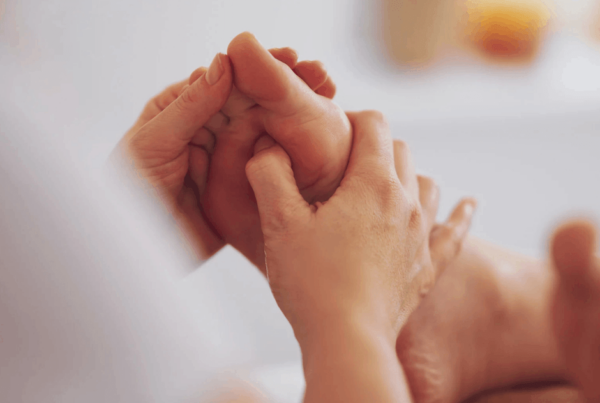
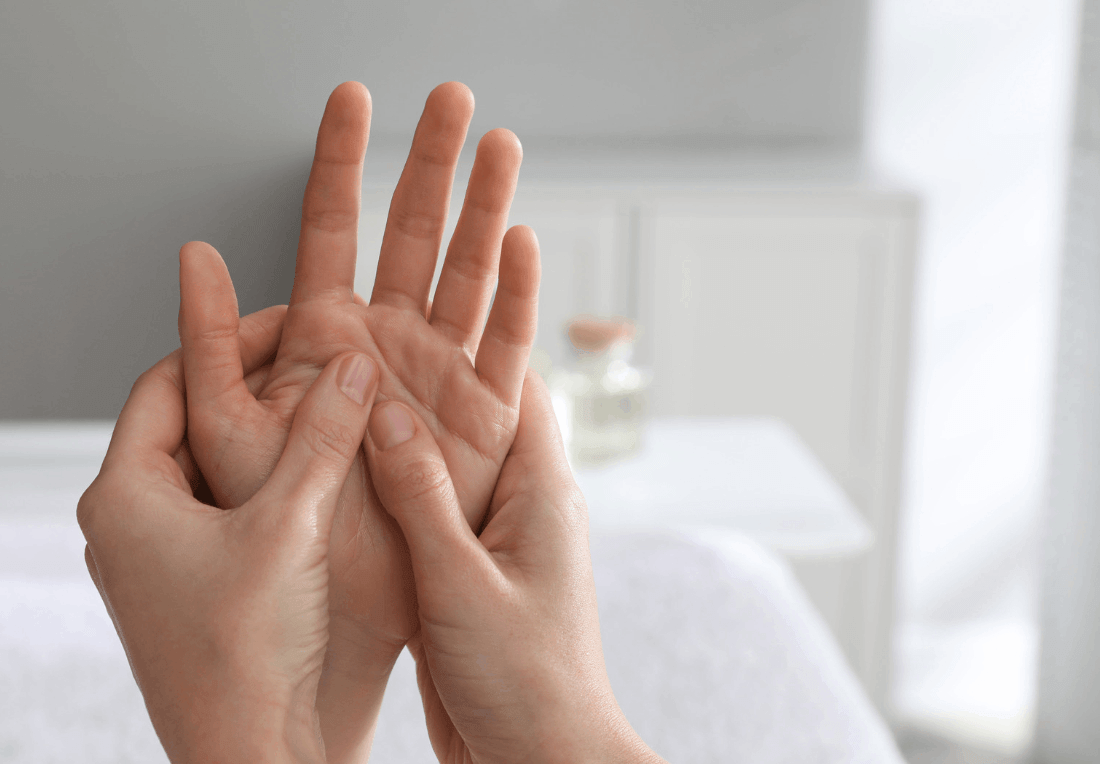
Massage for rheumatoid arthritis in the hands is slow and soft. A gentle hand massage uses slow strokes along the palm and fingers, with warm lotion and very light pressure around the knuckles. A good therapist works along the limb, not at the joint.
Foot Massage
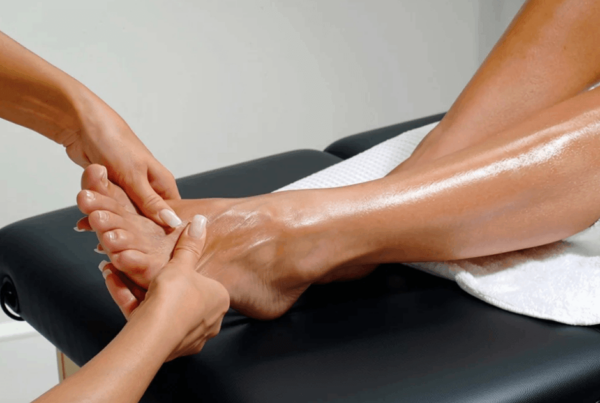
Massage for rheumatoid arthritis in the feet works the same way. Gentle foot massage can ease tired, stiff feet, using light strokes from the toes toward the ankle. Skip any twisting or pulling of the toe joints, and keep pressure soft, especially if your feet are tender. Some people also like a gentle foot rub in the style of reflexology, and the benefits of reflexology are mostly about calm.
Pressure and Joints
Joint-friendly massage means strokes along the limb and not at the joint. Skip deep pressure, twisting, stretching a joint or any clicking and cracking. If it hurts in a sharp way, say so and stop.
Warm or Cool?
Some people find warmth eases stiffness, and some find a cool pack calms a hot joint. It varies, so ask your rheumatologist or an occupational therapist what suits you, and never use heat on skin that’s numb or fragile.
The Neck Needs Extra Care
Rheumatoid arthritis can affect the top of the spine in some people, so the neck needs a very gentle touch and no forceful twisting or stretching. Tell your therapist if you have neck involvement, and see a doctor if you get neck pain with numbness, dizziness or weakness.
Massage for Rheumatoid Arthritis: Which Types Fit?
Gentle styles fit best, and a few styles don’t fit at all. The table gives the short version, and your therapist can adapt it to you.
| Style | What it is | How it fits |
| Swedish | Long, light to moderate flowing strokes | Often a good fit in calm periods |
| Gentle hand and foot massage | Slow, light strokes on the limbs | Often a lovely fit, with joints kept soft |
| Reflexology | Light pressure on points on the feet | A gentle option for some people |
| Deep tissue and trigger point | Firm, focused pressure | Usually not suitable on or near inflamed joints |
| Joint stretching or mobilisation | Moving or stretching joints | Best left to a physiotherapist |
Swedish Massage
Swedish massage is the quiet cousin of the massage family: all long strokes, no wrestling. It suits rheumatoid arthritis in calm periods, and a session follows the flow in Swedish massage benefits, techniques and what to expect. Ask for light pressure and a warm room, and keep the knuckles, wrists and toes soft.
Reflexology
Reflexology uses light pressure on points on the feet, and many people find it relaxing. The idea that foot points map to organs isn’t proven, so treat it as a calm foot rub and not a treatment.
What to Skip
Skip deep pressure over joints, vigorous rubbing, cracking or twisting, hot stones if your skin is fragile or your sensation is dull, and anyone who promises to cure or reverse arthritis. Massage should be gentle, and it should feel good.
What to Tell Your Massage Therapist
The more your therapist knows, the safer the session, so bring this list with you.
Your Diagnosis and Where It Affects You
Say you have rheumatoid arthritis, which joints it affects, whether you have neck involvement and when your last flare was. If you’re in a flare, say so, and think about rescheduling.
Your Medicines
Mention any medicines that calm the immune system, steroids and biologics, since they affect your skin, bruising and infection risk. Also mention blood thinners if you take them.
Your Skin and Joints
Say if your skin bruises or tears easily, if you have sores, rashes or nodules, and if any joint is swollen, hot or unstable. Your therapist will keep away from those areas.
Fatigue and Energy
Say how tired you are, and ask for a shorter session if you need one. Rheumatoid arthritis fatigue is real, and it’s okay to ask for a break.
Pressure Preferences
Ask for light, slow pressure to start, and agree on a signal for too much, like a raised hand or a quick stop. If you’re counting past a 4 out of 10, it’s too much.
Medicines and Massage: Skin, Infection and Bruising
Many rheumatoid arthritis medicines change how your skin and body respond, so a few extra precautions make sense.
Steroids and Thin Skin
Steroid medicines can thin the skin and make bruising easier, so firm pressure is a bad idea. Ask for gentle strokes, and tell your therapist right away if anything stings or pinches.
Immune-Lowering Medicines and Infection
Medicines that calm the immune system can raise the chance of infections. A good therapist uses clean linen and clean hands, avoids broken skin and won’t treat you if they’re unwell, and you should tell your doctor about any fever or skin infection straight away.
Bone Strength
Some medicines and the condition itself can affect bone strength, so pressure on the spine and ribs should be gentle. Tell your therapist if you have osteoporosis or a history of fractures.
What Else Helps Rheumatoid Arthritis?
Massage is a small comfort measure, and the bigger pieces matter more.
The Medical Plan
Medicines, regular reviews and your rheumatologist’s advice are the foundation, and skipping them for any comfort treatment is a bad trade. Keep your appointments and tell your team about anything new.
Movement and Joint Protection
Gentle exercise, a physiotherapist’s plan and tips from an occupational therapist on protecting your joints in daily tasks all help. Staying active within your limits is a big part of living well with rheumatoid arthritis.
Sleep, Pacing and Stress
Fatigue and stress feed flares for many people, so rest, pacing and calm matter. Massage for anxiety looks at the calm side of things, and a regular gentle session can be a break for body and mind.
Food, Smoking and Everyday Habits
Some people find that a balanced diet helps them feel well, and stopping smoking matters for rheumatoid arthritis. Ask your doctor for advice that suits you, and be wary of anything promising a cure.
Getting Gentle Massage at Home When Your Joints Are Stiff
When your hands won’t open the car door without a fight, a trip to a clinic is the last thing you need, and a therapist who comes to you takes out the hardest part.
Why Home Works for Flares and Fatigue
Getting to a clinic means driving, parking, walking and waiting, which can wear out joints that are already sore. At home, you stay warm in your own space, and the session happens on your timetable, so you can arrange it for the time of day you feel best. Blys lists Swedish and other massage at your home, and you can book from 6 am to midnight, seven days a week.
What to Tell Us When You Book
Say you have rheumatoid arthritis, which joints it affects, whether you’re in a flare, your medicines, whether you have neck involvement and what pressure you prefer. If you’re in a flare, say so, and the booking can wait. Your therapist brings the table, fresh linen, towels and oil or lotion, and needs about 2 x 2 metres of floor space.
Joints Stiff? Arrange a Gentle Massage at Home →
Rheumatoid Arthritis Massage Questions, Handled Gently
These are the questions people type into search about sore, stiff joints.
Can massage cause a flare?
It’s possible if the pressure is too firm or the timing is wrong, so keep it light and skip flares. If a session leaves you worse, tell your therapist and your rheumatologist, and try something gentler next time.
Is massage for rheumatoid arthritis okay during a flare?
It’s best to skip the affected joints, and check with your rheumatologist about anything else. Some people prefer to rest completely during a flare, and that’s fine.
Is heat or cold better before massage?
It varies. Some people find warmth eases stiffness and some prefer a cool pack for a hot joint, so ask your rheumatologist or occupational therapist what suits you. Never use heat on numb or fragile skin.
How often can I have massage for rheumatoid arthritis?
It depends on how you feel, your treatment and your doctor’s advice. Some people have a gentle session every few weeks during calm periods, and some only now and then. Your therapist and doctor can suggest what suits you.
Is massage okay if I take biologics or steroids?
Often, with care, but tell your therapist and your doctor first. These medicines affect your skin, bruising and infection risk, so pressure stays gentle and hygiene matters.
Can a therapist come to my home for rheumatoid arthritis?
Yes, though availability varies, so book early and put your diagnosis, medicines and flare status in your booking notes.
Why Choose Blys Mobile Massage for Your Next Session?
Blys is a mobile wellness and beauty marketplace: local providers come to your home, office or hotel for massage, nails, hair, makeup, waxing and more, plus physiotherapy. You pick the service and time, a provider accepts, and you’re not charged until they confirm, with bookings from 6 am to midnight, seven days a week. For sore, stiff joints, that means no waiting room and no car trip, and you can see the full range on the Blys services page.