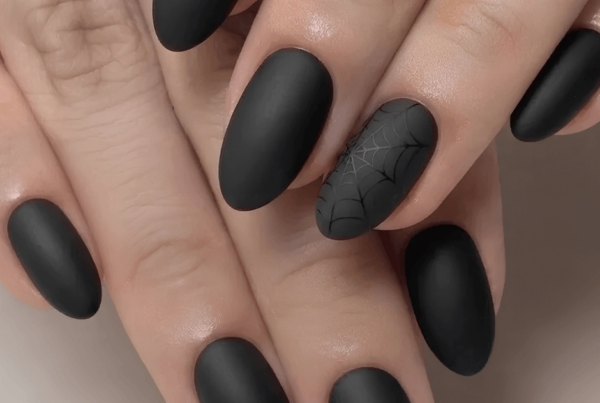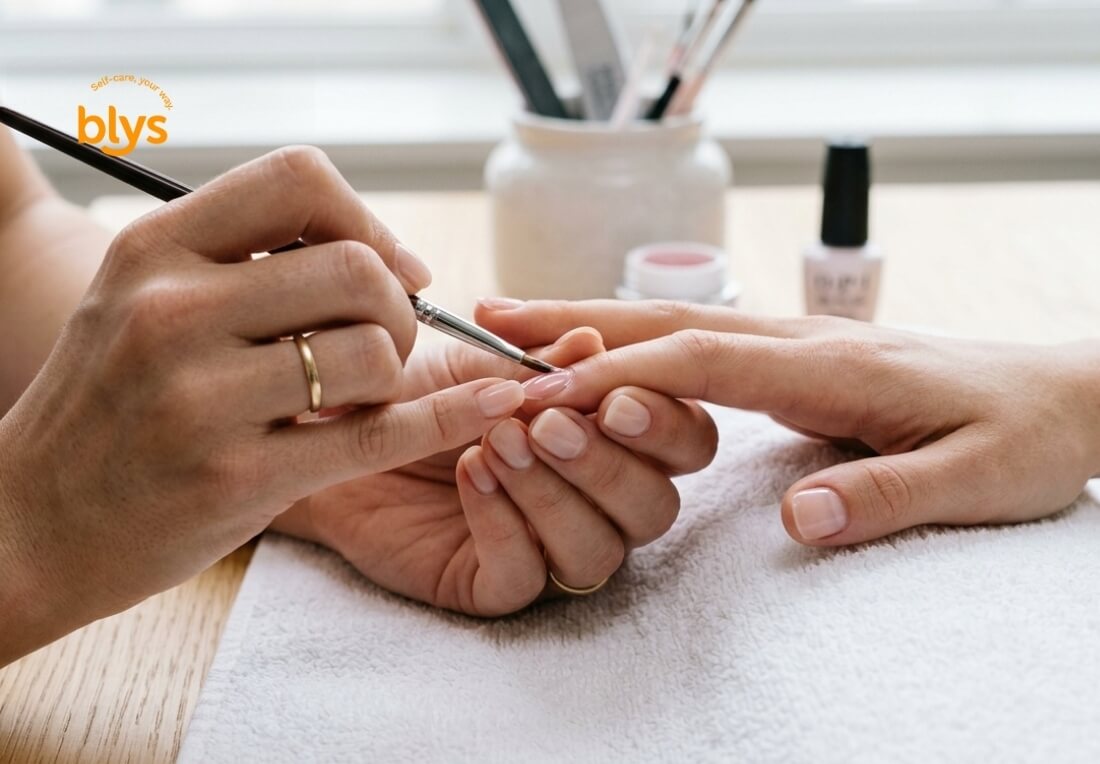
Every nail tech has opened a phone to a blurry screenshot of someone else’s nails and been expected to read minds as well as cuticles. Getting good at translating that vague reference photo into an actual finished set is most of the skill, and it’s also exactly where nail technician specialisations start paying off: the techs who’ve picked a lane and gotten properly good at it are the ones clients screenshot in the first place.
Whether nail technician work pays off, and what it actually takes to get qualified, are good questions, but plenty of technicians are long past wondering if this job is even worth starting in the first place. This one picks up from there: how to get better at the work itself and charge more for it.
Common Specialisation Paths
Nail work splits into a handful of properly different skill sets, and most techs end up leaning heavily into one or two rather than trying to be equally sharp at all of them.
Acrylic Extensions and Structured Sets
Acrylic work is its own discipline: building structure onto the natural nail with precise apex placement, consistent thickness, and a shape that holds up under everyday wear rather than lifting or cracking within a week. Getting a structured set properly strong, not just good-looking fresh out of the chair, is the actual skill most clients are paying for without necessarily knowing the technical term for it.
Gel and Builder Gel Systems
Gel and builder gel systems have grown fast as an alternative to acrylic, offering a lighter, more flexible extension with a different curing and application process entirely. Builder gel in particular has become its own specialty, since getting the structure right without acrylic’s traditional powder-and-liquid system takes a different hand and a different feel for the product.
Hand-Painted Nail Art and 3D Design
Painting a tiny galaxy scene onto a canvas smaller than a postage stamp deserves a lot more respect than oh that’s cute usually gives it. Hand-painted art, chrome and cat-eye finishes, and 3D embellishments sit on top of a base set as their own specialty entirely, and chrome nails in particular have had their moment several times over without showing any sign of actually retiring.
Niche Specialties: Bridal, Editorial, and Competition Work
Bridal nails need to survive a full day of photos and hand-holding without a single chip, editorial and session work means adapting a design fast under time pressure for a shoot, and competition nail art pushes technical skill to a level most clients will never actually book but will absolutely follow on social media. Each of these niches builds a portfolio that pulls in a different kind of client than everyday sets alone ever could.
How Specializing Affects Your Earning Potential
Picking a specialty isn’t just a creative choice. It changes what you can actually charge, and by how much.
Specialised Sets Command Higher Prices Than a Basic Manicure
A structured acrylic or builder gel set typically sits well above a basic manicure in price, and the gap is real. A basic manicure in Australia runs $30 to $50, while a standard acrylic set sits at $60 to $100 or more, and a full set with extensions can reach $125 to $160, according to NSI Australia’s nail pricing guide. Clients who specifically want a structured or extended set are usually less price-sensitive than someone booking a quick tidy-up, because they’re paying for a result they can’t easily get elsewhere.
Nail Art Adds Per-Nail Pricing on Top of the Base Service
Hand-painted detail, chrome finishes, and 3D elements are priced on top of the base set, and the numbers add up quickly. A simple accent nail starts around $5 to $10 extra, while a full set of chrome, detailed hand-painted art, or 3D embellishments can double the base set cost, according to Mirellé’s 2026 nail cost breakdown. Technicians who get fast and consistent at a particular art style can charge more for it, since clients are paying for a specific look they’ve already seen and want replicated.
Building a Reputation in One Style Beats Being Fine at Everything
A technician known specifically for chrome, for intricate hand-painted art, or for flawless structured acrylics usually fills their book with clients who sought that style out on purpose, rather than clients who just needed any available appointment. That kind of reputation also supports charging a premium, since the alternative for the client is finding someone else who does the same thing, not just anyone with a nail kit, and a provider profile built around a clear specialty usually attracts exactly that kind of client from the start.
Training and Certification Options
Getting properly good at a specialty usually means going past the basic qualification most technicians start out with, so here are some of the ways that actually happens.
Short Courses vs Full Specialty Certification
Short, single-day courses cover a specific technique (a particular art style, a chrome application method, a specific gel system) and suit technicians adding one new skill at a time. Fuller specialty certifications, especially for structured acrylic or extensive gel systems, go deeper into anatomy, product chemistry, and troubleshooting, and usually carry more weight with clients who ask about training before booking.
Learning From Product Brands and Educators
Product brands themselves often run the most current, technique-specific training, since they’re teaching their own systems and want technicians using their products correctly. Following specific educators and brand-run courses is usually the fastest way to stay current as techniques and product lines keep shifting.
Where Continuing Education Actually Pays Off
Not every course pays for itself, and the ones that pay off fastest are usually the ones tied to a specialty a technician is already building a reputation around, rather than a random trending technique picked up on a whim. Treating training as an investment in an existing specialty, rather than a scattered collection of unrelated skills, usually builds a stronger book faster.
How to Market a Specialty on Your Blys Profile
Having a specialty only pays off if clients looking for exactly that can actually find it.
Photos Do More Work Than Any Description
A gallery of consistent, well-lit photos in a specific style tells a potential client more in three seconds than a paragraph of text ever could. Clients booking a specialty set already know roughly what they want, and seeing that exact style done well is what turns a browse into a booking.
Naming Your Specialty Clearly in Your Profile
Being specific (chrome and cat-eye finishes, hand-painted art, structured acrylic extensions) rather than vague (nail specialist) helps clients searching for exactly that style find the right technician faster, and it helps a Blys provider profile surface in the right searches instead of getting lost in a generic list.
Getting Matched With Clients Who Are Already Looking
A mobile platform like Blys puts a specialty in front of clients who are specifically searching for that style, rather than relying on foot traffic or hoping the right person finds an Instagram post. Once a profile clearly shows what a technician actually specialises in, the matching does a lot of the work that used to depend entirely on word of mouth.
Whether the specialty is chrome, hand-painted art, or a structured acrylic set that survives two weeks without a single lift, the clients looking for it are already out there searching.
Sign Up as a Nail Technician on Blys →
Frequently Asked Questions
What Are the Main Nail Technician Specialisations?
The most common specialisations are acrylic extensions, gel and builder gel systems, and nail art, which covers everything from hand-painted design to chrome and 3D embellishments. Niche specialties like bridal, editorial, and competition nail art sit on top of these core skills for technicians looking to build a distinct portfolio.
How Much Can You Earn as an Acrylic Nail Specialist?
Structured acrylic sets in Australia typically start from $60 to $100 for a standard full set, rising to $125 to $160 or more for extensions, compared to $30 to $50 for a basic manicure, according to NSI Australia’s nail pricing guide. Add nail art, chrome, or 3D design on top and the per-appointment value rises further, which is why technicians known for strong structured work usually fill their books with clients who sought that specific result out on purpose.
Is a Nail Art Career Worth Specializing In?
Nail art is usually priced per nail on top of a base set, so a technician who gets fast and consistent at a particular style, chrome, hand-painted detail, or 3D design, can charge considerably more than a standard set alone would earn. It also usually generates strong social sharing, which brings in clients who’ve already decided they want that exact look.
What Training Do You Need for a Gel Nail Technician Career?
Gel and builder gel systems each have their own technique, so training usually starts with a course specific to the system being used rather than a single generic gel qualification. Many technicians also complete brand-specific training straight through product companies to stay current as formulas and application methods change.
How Do I Market My Nail Specialty to Get More Bookings?
Consistent, well-lit photos of the actual specialty, paired with clear, specific language in a profile rather than vague descriptions, help clients searching for that exact style find the right technician. Platforms like Blys make that specialty searchable, which does a lot of the work that used to rely entirely on word of mouth or social media reach.