Pilates and massage are both good for you. This is the kind of statement that is true and also not especially useful on its own, in the same way that “eating vegetables is good for you” is technically correct but does not help you decide what to have for dinner. The more useful version is this: Pilates and massage benefits come from what they each do that the other cannot, and they address different things, they have a gap between them that the other one fills, and combining them produces results that neither achieves alone.
If you do Pilates regularly and you are not getting regular massage for pilates recovery, you are leaving something on the table. And if you get regular massage but you do Pilates without any soft tissue maintenance, you are doing the same thing in the other direction.
What Pilates Does for the Body
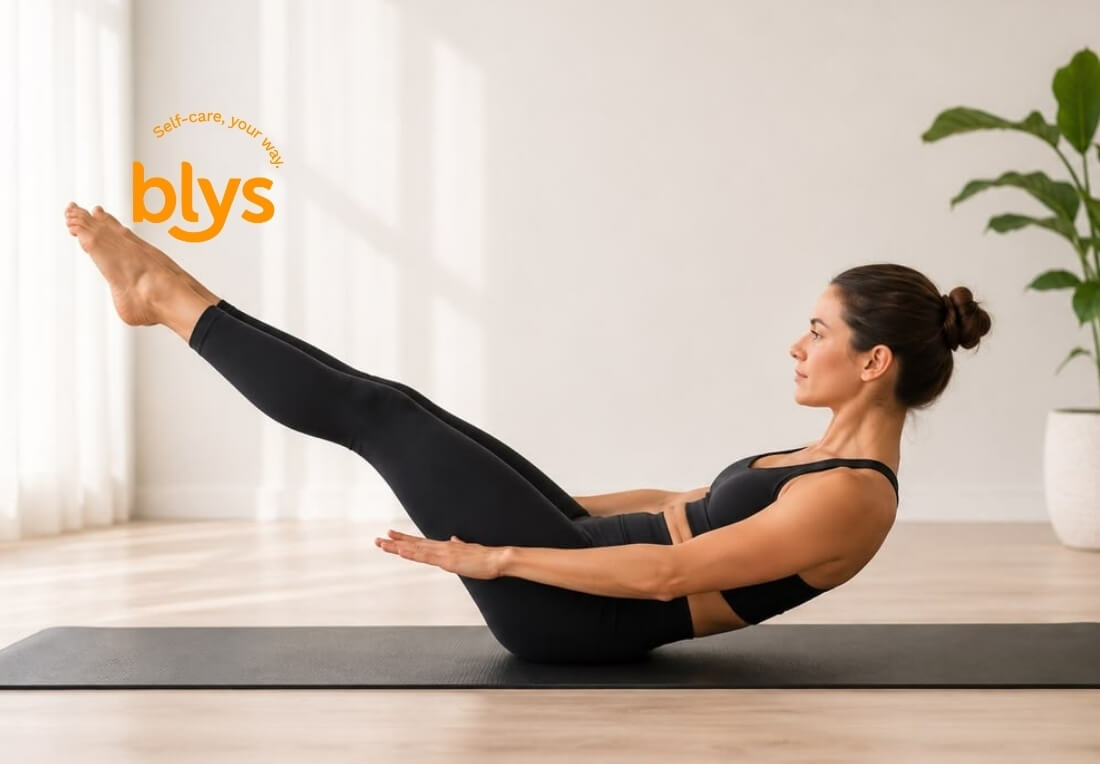
Pilates injury prevention starts with understanding what pilates massage benefits each practice brings. Pilates builds strength through controlled movement, with a specific focus on the deep stabilising muscles of the core, spine, and hips. It improves posture, increases body awareness, and teaches the body to move more efficiently by recruiting the right muscles in the right sequence rather than relying on the dominant ones to do everything.
What Pilates Cannot Fix on Its Own
The limitation of Pilates, and of other structured movement practices like yoga, is that it works on top of whatever the body is already carrying. If you go into a Pilates session with a tight hip flexor, an overactive upper trapezius, or a restricted thoracic spine, you are going to compensate around those tight spots throughout the session. You might not notice it, but your body absolutely will. Compensation habits build on themselves, and what starts as a tight hip flexor can end up as knee pain or lower back problems that seem to have appeared from nowhere.
Pilates is excellent at building strength and control. However, it is less effective at releasing the tightness that makes that strength and control harder to access.
What Massage Does for the Body
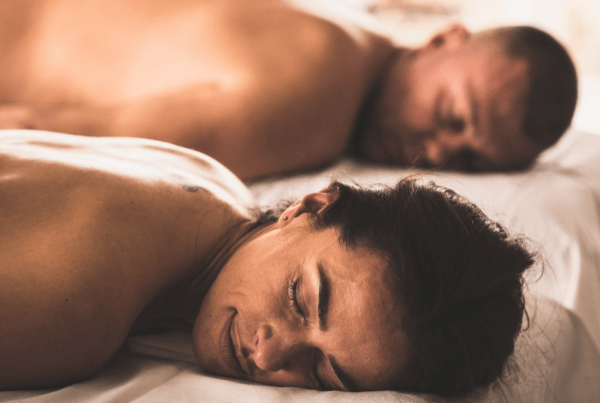
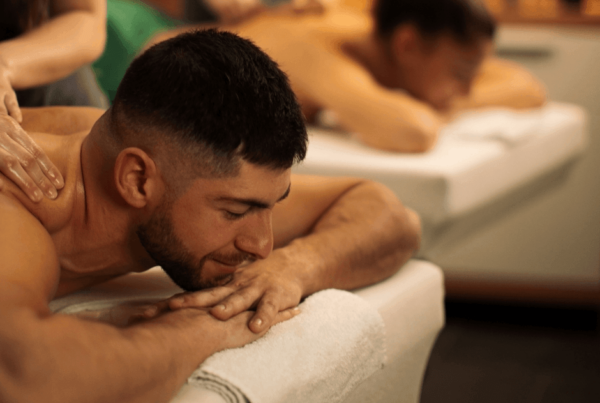
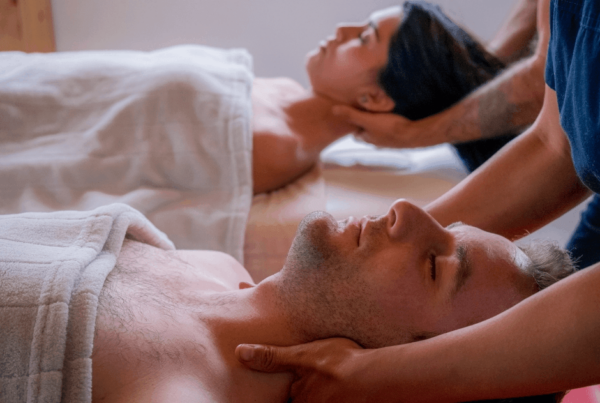
Massage works on the soft tissue itself: releasing muscular tension, improving circulation, addressing trigger points, and restoring the tissue quality that movement practice alone does not always reach. A good massage before or after Pilates does not just help you feel better. It changes the quality of the tissue you are moving in.
What Massage Cannot Fix on Its Own
Massage releases tissue but does not build the strength or body awareness to hold the improvements it creates, which is the gap that Pilates fills. Someone who gets regular massage but does no movement work may find that the same tight spots keep returning, because the underlying weakness or poor movement habit that created them has not been addressed. Massage clears the slate, and movement practice is how you write something better on it.
How Pilates and Massage Work Together
Massage Before Pilates: Clearing the Way
A massage session before Pilates addresses tightness that would otherwise limit the range and quality of movement in the session, including tight hip flexors that prevent full hip extension in a bridge, a restricted thoracic spine that limits rotation in a twist, and overactive upper trapezius muscles that make it impossible to find the lower trapezius engagement that Pilates is trying to build.
When these tight spots are cleared before the session, the body has access to the full movement it is being asked to do. The same logic that applies to pre-workout massage applies here. The Pilates work lands in better tissue and produces better results. For people who have been doing Pilates for a while and feel like they have not been seeing results, this is often the missing variable.
Massage After Pilates: Recovery and Integration
Massage after a Pilates session helps the body integrate the work that has been done. Pilates asks a lot of the deep stabilising muscles that most people have been underusing, and those muscles can produce delayed soreness and fatigue in ways that the more familiar large-muscle gym soreness does not.
A sports massage after a challenging Pilates session supports recovery, reduces the likelihood of the body guarding around sore areas, and helps the neuromuscular changes from the session settle rather than being disrupted by compensations the following day.
On Rest Days: Maintenance Between Sessions
A massage between Pilates sessions, on a rest day, is the most underused combination. Rather than waiting for tightness to build and then addressing it, a regular maintenance session keeps the tissue quality consistent, catches tightness early before it becomes a compensation, and means every Pilates session starts from a better baseline.
This is how professional athletes use bodywork. Not as a response to injury or excessive soreness, but as a standard part of the training cycle that keeps the whole system running well.
The Injury Prevention Angle
Most Pilates injuries, and most injuries in movement practice generally, do not happen from a single dramatic moment. They develop gradually from repeated loading on tissue that was already restricted, already compensating, or already showing signs of a problem that nobody addressed early enough. The knee that goes in a Pilates session was usually already being overloaded for weeks before it gave way. The lower back that goes in a roll-up was probably already tight and guarding before anyone thought to pay it attention.
Where Massage Catches What Pilates Misses
A massage therapist working on a regular Pilates client has access to information that neither the client nor the Pilates instructor can easily see, including tissue quality, trigger points that are active but not yet producing referred pain, and areas of tightness that are producing compensation without producing symptoms. Catching these early and addressing them before they become problems is the most valuable thing a regular soft tissue maintenance practice does for injury prevention.
A trigger point that has been quietly active for weeks does not usually announce itself before it becomes a problem. A massage therapist finds it with their thumb and works it out before it gets the chance.
What to Tell Each Practitioner About the Other
If you do Pilates and get massage, tell your massage therapist which exercises you do regularly and which areas feel restricted or fatigued. Also, tell your Pilates instructor which areas your massage therapist has been working on. The two practitioners are working on the same body and neither has the full picture without input from the other.
This sounds like extra effort but it only takes about thirty seconds, so it is definitely worth doing.
How to Structure Pilates and Massage in the Same Week
There is no single correct structure, but here are the combinations that tend to work best depending on your training load and goals:
For Injury Prevention and Maintenance
One Pilates session plus one massage session per week, with the massage on a different day to the Pilates, works well for most people using both practices as general maintenance. The massage does not need to be long. 45 to 60 minutes targeting the areas most loaded in Pilates is enough to keep tissue quality consistent between sessions and prevent the slow accumulation of tightness that most injuries start as.
For Performance and Progression
Two to three Pilates sessions per week with a massage every five to seven days, timed either before the most challenging session of the week or as recovery after it is enough. Both approaches work, and the choice depends on whether you want the massage to support performance going in or recovery coming out. If you are working toward a specific goal, such as improving a movement, building strength in a particular area, or addressing a longstanding issue, the massage should be timed to support whichever session matters most that week.
For Rehabilitation After Injury
Closer spacing, with massage and Pilates potentially in the same week or even on the same day depending on the injury and the stage of recovery, is suitable. This is where the communication between practitioners matters most, since what is appropriate in the first two weeks after an injury is different from what is appropriate at six weeks, and both the massage therapist and the Pilates instructor need the full picture to make good decisions. If you are working with both, tell each one what the other is doing.
The body you bring to your Pilates session is the one you have been carrying all week, and the condition it arrives in is at least partly within your control. Getting stronger without maintaining the tissue you are strengthening is a project that often ends in a physio waiting room. The two belong together. Book a sports massage at home through Blys, available 7 days a week, 6 am to midnight across Australia.