 Workplace wellness for healthcare workers is one of those topics that everyone agrees matters and almost no one gets right. The nurses are finishing a 10-hour shift on aching feet. The aged care staff who have been on the go since dawn. The allied health practitioners absorbing the emotional weight of their patients’ hardest days. These are the people holding up the health system, and when they burn out, every part of that system feels it.
Burnout in healthcare was a serious problem long before 2020. The years since have pushed it into sharper focus, and the data backs up what most healthcare managers already know: staff are leaving, morale is stretched, and the standard responses aren’t keeping up.
Yet many wellness programmes offered to healthcare teams are still built for a 9-to-5 workforce. Fixed-time yoga sessions. Lunchtime meditation. On-site facilities that close before most shift workers are free. For a nurse rotating between days and nights, none of that is practical.
This post looks at what genuinely effective workplace wellness for healthcare workers involves, why the standard approach falls short for shift-based teams, and how flexible at-home services offer something most competing programmes don’t.
Why Healthcare Workers Carry a Greater Physical and Emotional Load
Healthcare is physically demanding in ways that aren’t always visible from the outside. Across a single shift, nurses and support staff are regularly managing:
- Lifting, repositioning, and assisting patients with mobility
- Standing for hours at a stretch and covering kilometres within a single building
- Sustained strain through the back, neck, shoulders, and lower limbs
- Continuous sensory vigilance in high-pressure ward and clinical environments
The emotional demands stack just as high. Healthcare professionals routinely navigate:
- Patient distress and complex, emotionally loaded conversations
- Difficult discussions with families about diagnosis, prognosis, and care
- End-of-life care and the grief that comes with it
- Compassion fatigue that accumulates quietly over months and years
Research published on PubMed has consistently linked occupational burnout in nursing to musculoskeletal pain, emotional exhaustion, and increased intention to leave the profession. The physical and psychological demands compound each other: a nurse managing chronic back pain alongside emotional overload isn’t dealing with two separate problems. They’re dealing with one compounding the other.
For healthcare organisations, the consequences extend beyond individual staff welfare. High burnout rates increase absenteeism, reduce quality of care, and drive significant recruitment and retention costs. Investing in healthcare worker wellness is the right thing to do, and it’s also a sound operational decision.
Why Standard Wellness Programmes Don’t Reach Shift Workers
Most corporate wellness programmes are built around one assumption: that the people they’re designed for work standard hours. A Monday lunchtime run club. A Wednesday evening mindfulness session. An on-site gym with access until 6pm. Those options are genuinely useful for someone finishing at five who lives close to the office. For someone rotating between days and nights, clocking off at 7am, or managing a roster that changes fortnight to fortnight, they’re effectively inaccessible.
Healthcare workers fall squarely in this gap. Many genuinely want to prioritise their health, but the format and timing of most wellness offerings simply doesn’t fit their lives. The result is a wellbeing benefit with low uptake, not because staff aren’t interested, but because the programme was never designed with their working pattern in mind.
Flexibility is the variable that changes this. When wellness support is available on the employee’s schedule rather than a fixed institutional timetable, engagement increases meaningfully. That’s the core practical advantage of at-home and mobile wellness services for healthcare teams. A provider who comes to your staff member’s home after a late shift removes the logistics barrier that keeps most shift workers from accessing support in the first place.
This is the model underpinning Blys’s corporate wellness programme, and for healthcare teams specifically, it’s a meaningful structural difference from what’s typically on offer.
What Effective Workplace Wellness for Healthcare Teams Actually Looks Like
Effective workplace wellness for healthcare workers isn’t about grand gestures or well-intentioned programmes nobody uses. It’s about services that match the physical demands of the job, fit around the hours staff actually work, and are simple enough to use that people follow through.
Physical Recovery as a Core Priority
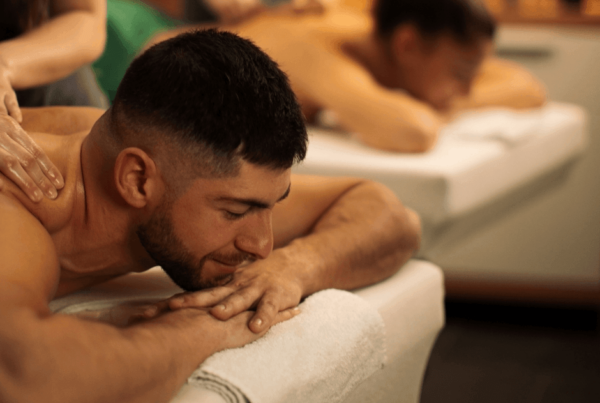
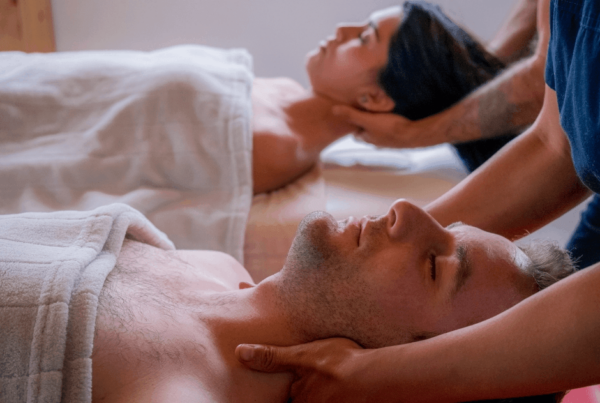
Massage therapy is one of the most evidence-supported options for the specific challenges healthcare professionals face day to day. It has a strong track record in reducing musculoskeletal pain, lowering cortisol levels, and improving sleep quality all significant concerns for people managing irregular hours, sustained physical exertion, and high-stress environments.
For healthcare organisations reviewing staff benefits, access to at-home massage and bodywork through a professional platform gives employees recovery support they can schedule around their roster. No travel to a clinic after a long shift. No advance booking lead time of several weeks. No appointment that gets thrown out by an unexpected roster change.
Genuine Rest, Not Productivity in a Different Outfit
Mental health support is the other half of the picture. Formal EAP access, peer check-in structures, and professional counselling all play a role. But so does something simpler: building a team culture where rest is genuinely permitted and not just tolerated. A team with real permission to step away and recover is a team that’s more likely to stay. Thinking about wellness as a steady rhythm rather than a one-off reward is a useful reframe for healthcare leadership.
The At-Home Advantage Most Healthcare Wellness Articles Miss
Most articles about employee wellness in healthcare focus on policy-level responses: EAP programmes, mental health leave, workload reduction, or structural rostering changes. These all matter. But they leave a practical gap that most organisations haven’t filled: what does a healthcare worker actually do in the hours after a hard shift to physically and mentally recover before they have to go back?
For most, the honest answer is very little. Not from lack of motivation, but because the wellness options available to them require planning, travel, and a level of energy they simply don’t have at the end of a 10-hour shift. A massage studio that closes at 8pm. A yoga class that started an hour ago. A gym that’s technically available but requires driving across town.
This is the gap that at-home wellness, booked through a platform like Blys, directly addresses. Providers you book through Blys are vetted, insured, and professional. They travel to your staff member’s home at a time that suits them, including evenings and weekends. A healthcare worker who finishes a shift at 9pm can book a session for 10pm, at home, without leaving the house.
That same-session availability after an evening shift is something no fixed-venue wellness programme offers, and it’s the detail that makes the real difference for shift-based teams. No other corporate wellness approach gives healthcare staff this level of flexibility without asking them to plan days in advance.
How to Build a Wellness Benefit Your Healthcare Team Will Actually Use
The most common failure in corporate wellness spending is a benefit nobody engages with. Low uptake almost always comes down to the same issues: the benefit isn’t available when staff are free, it requires more planning than people have capacity for, or it simply doesn’t address what employees need after a demanding shift.
For healthcare teams, the benefits that see genuine engagement consistently share these qualities:
- Available outside standard business hours evenings and weekends included, not just 9 to 5.
- Delivered to the employee no travel to a fixed venue after a physically draining shift.
- Focused on physical recovery addressing the musculoskeletal strain that healthcare work creates.
- Low friction to book simple, quick, and easy to cancel or reschedule without penalty.
At-home wellness services through Blys fit all four. Providers you book through Blys are trusted, insured professionals who travel to your staff member’s chosen location at a time that works around their roster. And for organisations thinking about how to build a staff recognition and wellness strategy that healthcare professionals will genuinely value, putting at-home access at the centre of the offer is worth serious consideration.
Is Investing in Healthcare Worker Wellness Worth It for Organisations?
The evidence says clearly yes. Organisations that invest meaningfully in the wellbeing of healthcare staff consistently report better retention, lower rates of sick leave, and stronger team morale. When people feel that their employer genuinely understands what the role demands of them, they’re more likely to stay and more likely to show up fully when they do.
Research from NCBI points to the effectiveness of even modest wellbeing interventions for healthcare workers, particularly those targeting physical recovery and stress reduction. The bar for making a meaningful difference to workplace wellness in healthcare isn’t as high as many organisations assume. Consistency and genuine accessibility matter more than scale.
What makes the difference is support that’s genuinely built for the people it’s meant to reach: flexible, physically targeted, available at the hours healthcare workers are actually free, and easy enough to use that they follow through on it.
Should Your Healthcare Organisation Offer At-Home Wellness Benefits?
If you manage a healthcare team or lead an organisation responsible for staff wellbeing, the evidence is clear that workplace wellness for healthcare workers deserves more than a standard corporate programme. Shift workers need flexibility. Physically demanding roles need recovery support that targets the body, not just the mind. And busy people need benefits that remove friction, not add to it.
At-home wellness services, booked through a professional platform with local, vetted, insured providers, offer something fixed-venue programmes simply can’t: access after a shift, at home, without planning ahead. If you’re ready to build something that actually reaches your people, get in touch through the Blys corporate wellness page to explore what a flexible, shift-friendly programme could look like for your team.