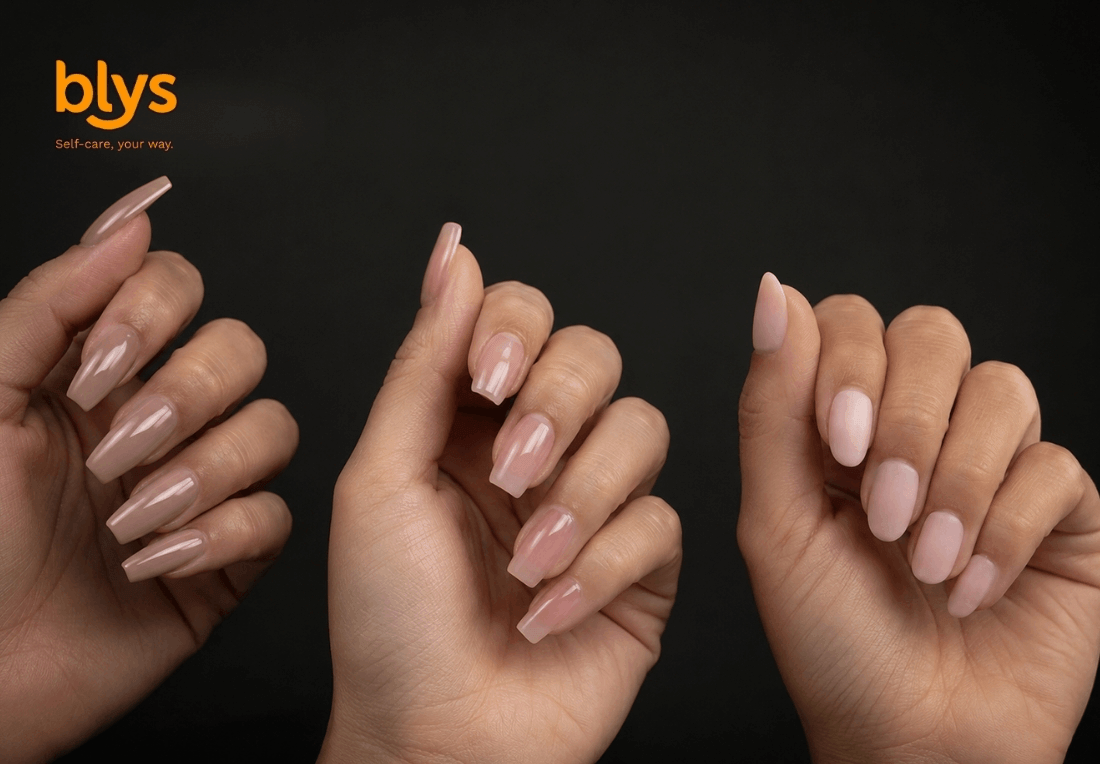
Asking which nail type lasts longest without mentioning you open every can, jar, and package with your actual nails is a bit like asking which running shoe lasts longest without mentioning you run marathons in them daily. Gel, acrylic, and dip powder nails all last different lengths of time for different reasons, and a proper nail type comparison depends on more than just the product itself. The same logic that applies to comparing mobile makeup artist pricing applies here too, the best option depends entirely on what’s actually being asked of it.
How Each Is Applied
The application process is where the real differences between these three start, long before durability even comes into it.
Gel: UV or LED-Cured Layers Painted Straight Onto the Nail
Gel polish gets painted on in thin layers, with each layer cured under a UV or LED lamp before the next one goes on. This curing process is what makes gel dry rock-hard within seconds rather than air-drying slowly, and it’s applied straight onto the natural nail or over an extension without needing to sculpt anything.
Acrylic: A Sculpted Powder and Liquid Mixture Built Up or Over Tips
Acrylic is a powder and liquid monomer mixed together and sculpted straight onto the nail, either over the natural nail or an extension tip, then left to air-dry through a chemical reaction rather than a lamp. This sculpting process is what makes acrylic the go-to option for real added length, since it can be built and shaped in a way gel and dip powder aren’t really designed for.
Dip Powder: Repeated Dipping Into Colour, Sealed Without a Lamp
Dip powder involves coating the nail in a bonding base, then dipping it into coloured powder several times, building up layers before sealing everything with an activator and top coat. No lamp is needed at any point, which is part of the appeal for anyone who finds UV or LED curing inconvenient or wants to skip it altogether.
Durability and Nail Health Comparison
Each of the three holds up differently, and the actual reasons come down to more than just which one is toughest.
Which One Actually Lasts the Longest
Acrylic is the SUV of nail enhancements, built for the long haul, handles rough terrain, occasionally overkill for the school run. It generally holds up the longest under heavy daily use, especially for length, since the sculpted structure is naturally more rigid than the other two. Dip powder comes in a close second, often outlasting standard gel polish at the tips where chipping usually starts first. Gel polish typically holds up well overall but usually shows wear at the tips before the other two, especially without a protective top coat refresh partway through.
What Each One Does to Your Natural Nail Underneath
None of the three products themselves damage nails when applied and removed properly. Almost all the actual damage associated with any of them comes from improper removal, picking, peeling, or forcing product off rather than soaking it away properly. Acrylic and dip powder both require a bit more filing during application to rough up the nail surface for the product to bond, while gel polish generally needs the least prep of the three.
Removal Differences
Getting any of these off properly matters just as much as how they went on in the first place.
Gel and Dip Powder: Soak-Off With Acetone
Both gel and dip powder are generally removed by soaking in acetone, often using foil wraps to hold cotton pads soaked in acetone against each nail for around ten to fifteen minutes. Dip powder can take slightly longer to fully soften through its thicker layers compared to standard gel polish alone.
Acrylic: A Longer, More Involved Process
Acrylic removal usually takes longer than either gel or dip powder, since the sculpted layers are thicker and often need a combination of filing and extended acetone soaking to fully break down. Attempting to pick or pry acrylic off instead of soaking it properly is among the most common causes of actual nail damage, not the acrylic itself.
Which to Pick for Your Lifestyle
Picking a nail type because it looked good on someone’s TikTok isn’t quite the same as picking one that survives someone who does dishes by hand and rock climbs on weekends.
Nail Biters and Anyone Wanting Serious Length: Acrylic
Acrylic’s rigid, sculpted structure makes it the strongest option for anyone prone to biting their nails or wanting dramatic added length that needs real structural support to hold its shape.
A Glossy, Natural Look With Solid Durability: Gel
Gel suits anyone wanting a glossy, natural-looking finish with decent durability and the gentlest application process of the three, without needing a lot of added length or a heavily sculpted shape.
Strong Wear Without the Filing Down: Dip Powder
Dip powder suits anyone wanting strong, chip-resistant colour without a UV lamp, and without the more involved filing and prep that acrylic typically needs.
Cost, Fills, and How Often Each Needs a Refresh
Beyond the upfront price, how often each option needs attention affects the real cost of maintaining it over time.
How Often Each Needs a Fill
Acrylic and dip powder both typically need a fill every two to three weeks as natural nail growth creates a visible gap at the base. Gel polish on natural nails usually needs a full redo around the same timeframe, though gel extensions follow a similar fill schedule to acrylic.
Weighing Upfront Cost Against Long-Term Upkeep
Acrylic often costs a bit more upfront due to the extra time and skill sculpting requires, while gel polish is typically the most affordable for a simple colour change with no added length. Dip powder usually sits somewhere in between, reflecting a process that’s faster than acrylic but more involved than a plain gel polish application. Getting nails done ahead of an event pairs naturally with sorting the right makeup style for the occasion too, since both come down to matching the choice to what’s actually being planned.
Hygiene and Safety Considerations
A couple of real considerations apply regardless of which type ends up being chosen.
The Shared Dip Powder Pot Question
A shared pot of dip powder that plenty of other clients have already dipped into is the kind of detail that sounds fine until actually thought through properly. Many salons and mobile providers now use single-use or personal dip powder systems specifically to avoid this, so asking about their process before booking is a completely reasonable question.
UV Exposure With Gel Lamps
Gel curing lamps use UV or LED light, and while the exposure from occasional manicures is generally considered low risk, applying broad-spectrum sunscreen to the hands beforehand is a simple, easy precaution for anyone who gets gel regularly or has particular sun sensitivity.
Understanding what each option actually involves makes it a lot easier to pick the right one instead of guessing based on whatever’s trending. Checking a nail technician’s reviews beforehand, especially for a specific technique like acrylic sculpting, helps confirm real experience before booking.
A group nail session works well ahead of an event, alongside sorting the right makeup style for the occasion at the same time.
A Blys gift voucher lets someone else pick whichever type actually suits them.
Frequently Asked Questions
Which lasts longer, gel, acrylic, or dip powder?
Acrylic generally lasts the longest under heavy daily use, especially for added length, with dip powder close behind and gel polish typically showing wear at the tips first. All three can last two to three weeks with proper care and a fill at the right time.
Gel nails vs acrylic: which one is actually stronger?
Acrylic is generally the stronger of the two, since its sculpted structure holds up better under heavy use and added length than gel polish alone. Gel makes up for it with a gentler application process and a glossier, more natural finish, so the trade-off comes down to strength versus comfort rather than one being universally better.
Is dip powder better than gel nails?
Neither is objectively better. Dip powder is usually more chip-resistant and doesn’t require a UV lamp, while gel polish has a gentler application process and a glossier natural finish. The right choice depends on lifestyle and how much durability actually matters day to day.
Does gel, acrylic, or dip powder damage your natural nails?
None of the three products themselves cause damage when applied and removed correctly. Nearly all nail damage associated with any of them comes from improper removal, picking, or peeling instead of a proper acetone soak-off.
How long does dip powder nail application take?
A full set of dip powder nails typically takes around 45 minutes to an hour, depending on nail prep and whether any shaping or repair is needed beforehand. This sits between gel polish, which is usually quicker, and acrylic, which generally takes longer due to the sculpting involved.
Which nail type is best for nail biters?
Acrylic is generally the strongest option for nail biters, since its rigid, sculpted structure holds up better against the habit than gel or dip powder alone. Anyone actively trying to stop biting often finds the physical barrier helps break the habit too.
How often do gel, acrylic, and dip powder nails need a fill?
Acrylic and dip powder both typically need a fill every two to three weeks as natural growth creates a gap at the base. Gel polish on natural nails is usually fully redone on a similar schedule, while gel extensions follow the same fill pattern as acrylic.
Is it safe to get gel nails regularly because of the UV lamp?
Occasional exposure from regular gel manicures is generally considered low risk, though applying sunscreen to the hands beforehand is a simple precaution for anyone getting gel often or with particular sun sensitivity. This is a reasonable question to raise with a technician if it’s a specific concern.
Which nail type is easiest to remove at home?
Gel is generally the easiest to remove at home using an acetone soak and foil wrap method, since the layers are thinner than dip powder or acrylic. Acrylic removal at home is trickier and more time-consuming, and picking or prying it off instead of soaking properly is a common cause of nail damage.