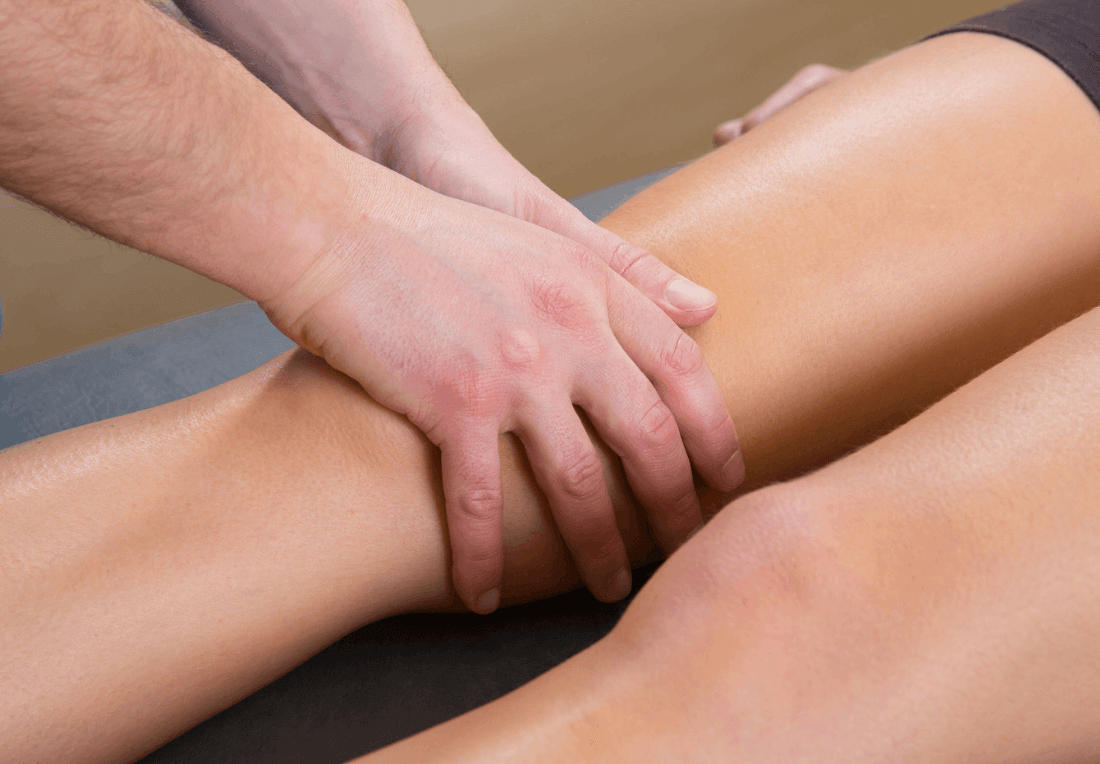
After ACL, meniscus or kneecap surgery, massage and lymphatic drainage fit in at different stages. In the first weeks that means only gentle post-op lymphatic drainage above the knee, and only once your surgeon says yes. Later, remedial or sports massage can ease the tight thigh, calf and hip muscles, while your physiotherapist’s rehab plan leads the whole way. Your knee just had keyhole surgery and your thigh has gone on strike.
On crutches and off the road, getting to a clinic is a side quest nobody asked for, so a local mobile therapist or physio who comes to your home takes a lot of effort out of recovery, including lymphatic drainage at home after surgery once you’re cleared.
Knee Surgery in Plain Terms
Knee surgeries sound alike but recover differently, so it helps to know which one you had. Your surgeon and physiotherapist set your plan, and what follows is only a plain-English map.
ACL Surgery Recovery: What an ACL Reconstruction Involves
The ACL is a ligament deep inside the knee that stops the shin sliding forward, and in ACL reconstruction the surgeon replaces a torn ligament with a graft, often taken from a tendon in your own body. ACL surgery recovery is a long road of swelling control, getting movement back and rebuilding strength, and ACL reconstruction recovery follows a plan from your surgeon and physiotherapist, so ACL reconstruction recovery never looks quite the same for two people.
Meniscus Surgery Recovery: Trim or Repair
The meniscus is a rubbery cushion in the knee, and surgery either trims the torn part or stitches it back together. Meniscus surgery recovery depends on which one you had, and meniscus surgery recovery after a repair is slower than after a trim, since a trim usually gets you moving sooner and a repair often needs a more careful, slower return, so your surgeon’s instructions matter most.
Kneecap Surgery and MPFL Reconstruction Recovery
Kneecap surgery covers a few procedures, and one common one is MPFL reconstruction, which rebuilds the ligament that keeps the kneecap in its groove after it dislocates. MPFL reconstruction recovery usually takes months and follows a stepped rehab plan, so follow your surgeon’s rules on weight and bending.
Knee Arthroscopy Recovery
Knee arthroscopy is keyhole surgery done through a few small cuts, called port sites, and the surgeon uses it to see and treat the inside of the knee. Knee arthroscopy recovery is often quicker than open surgery, and knee arthroscopy recovery still comes with its own swelling and stiffness, but swelling, stiffness and a weak thigh still show up, and the tiny port sites are tiny scars with big opinions.
PCL, LCL and MCL Repairs in Brief
The PCL, LCL and MCL are other knee ligaments, and repairs to them have their own rules. Some, like many MCL injuries, can recover without surgery, and others need repair or reconstruction with a stricter protocol, so follow your surgeon’s plan and ask what to avoid. The ideas in this post apply, but the timing is yours to confirm.
What Happens in the Weeks After Knee Surgery
The weeks after surgery bring a similar set of problems whichever knee operation you had. Knowing what’s normal helps you spot what isn’t.
How Long Does Swelling After Knee Surgery Last?
You should expect swelling after knee surgery, and swelling after knee surgery can last for weeks, rising and falling with activity. It’s your knee’s version of a loud group chat: lots of noise, not much information. Elevation, rest, the movement your physiotherapist prescribes and anything your surgeon suggests help, and gentle lymphatic drainage can support fluid movement once cleared. Swelling that’s getting worse, hot or red isn’t normal, so call your surgeon.
A Stiff Knee and a Weak Thigh
A stiff knee that won’t bend or straighten properly, and a weak thigh that wobbles on stairs, are the classic early problems. The thigh muscle switches off quickly after surgery, and rebuilding it is the heart of rehab. That’s physiotherapy’s job, and massage supports the muscles around it later on.
Scar Tissue After ACL Surgery and at the Port Sites
Scar tissue after ACL surgery forms around the cuts and inside the knee as part of normal healing, and it can leave the area tight, thick or tender. Once the wounds have fully healed and your surgeon says it’s okay, gentle work for scar tissue after ACL surgery can help the skin and tissue feel more comfortable, as in massage for scar tissue. A knee that won’t bend or straighten needs your surgeon or physiotherapist to look at it.
What Is a Normal ACL Recovery Time?
ACL recovery time is long, and it varies a lot. In ACL surgery recovery, walking comfortably usually comes within weeks, but getting back to sport that involves pivoting and jumping often takes many months, commonly somewhere around nine to twelve months or longer. Meniscus trims, arthroscopy and other surgeries run on different schedules, so your surgeon and physiotherapist set the timeline, and ACL recovery time depends on your graft, your rehab and your sport. Recovery timelines are like weather forecasts: useful, but your knee gets a vote.
When to Call Your Surgeon or a Doctor: Red Flags
Most recovery is the everyday kind, but a few signs mean you call someone straight away, and this comes before any massage plan.
Call 000 for These Signs
Call 000 if calf pain or leg swelling comes with chest pain, shortness of breath, coughing up blood or feeling faint. Also call if your foot is cold, pale or numb, or you have a severe fall or injury after surgery. Don’t arrange a massage and don’t wait it out.
Call Your Surgeon or Doctor Now for These Signs
Call your surgeon or doctor now, and don’t massage the leg, if your calf is swollen, red, warm or painful, because the risk of a blood clot is higher after knee surgery. Also call for a fever, redness, heat, pus or a bad smell at a wound, swelling that keeps getting worse, pain that isn’t settling, new numbness or a knee that suddenly gives way or won’t move.
What This Page Is and Isn’t
This page is general information about knee surgery recovery and massage, and it isn’t medical advice. It doesn’t replace your surgeon’s or physiotherapist’s instructions, and it doesn’t promise that massage will speed up recovery. Massage and lymphatic drainage only come in once your surgeon or physiotherapist says it’s okay, so ask them first if you have any red flag or any doubt.
Where Massage Fits: A Week-by-Week View
The physio plan is the main character, and massage is a very good supporting actor. If you’re recovering from a knee replacement instead, massage after knee replacement has its own timeline. The table shows a typical map, and your surgeon and physiotherapist decide the real dates.
| Stage | What’s usually going on | Where massage fits |
| Weeks 0 to 2 | Swelling, crutches, protecting the knee | Only gentle post-op lymphatic drainage above the knee, once your surgeon says yes. No knee or calf massage |
| Weeks 2 to 6 | Wounds healing, more movement, early strengthening | Continued gentle drainage if cleared. Light work on the hip and upper thigh if your physiotherapist agrees |
| Weeks 6 to 12 | More strength work, a stiff knee loosening | Remedial or sports massage on the tight thigh, calf and hip muscles, plus gentle scar work once healed and cleared |
| Months 3 to 6 | Building strength and control | Regular remedial or sports massage, and myofascial work around scars |
| Months 6 and beyond | Return-to-sport testing | Sports massage to keep muscles loose while you build back up |
Weeks 0 to 2: Protect and Reduce Swelling
In the first couple of weeks, the job is to protect the knee, manage swelling and pain and follow your surgeon’s rules. Massage on the knee or calf is off the table, and the only option is gentle post-op lymphatic drainage above the knee, and only with your surgeon’s go-ahead.
Weeks 2 to 6: Healing and Early Movement
As the wounds close and movement returns, rehab starts to build. If your surgeon and physiotherapist are happy, gentle drainage can continue, and light work on the hip and upper thigh may start. The knee itself and the calf still wait.
Weeks 6 to 12: Strength and Tight Muscles
The thigh, calf and hip muscles often feel tight and tired as strength work ramps up, and this is where remedial and sports massage start to earn their keep. If the scars have fully healed and you’re cleared, gentle scar work can begin.
Months 3 to 6: Building Back
By now you’re doing more, and tight muscles can crop up as the load grows. Regular remedial or sports massage can keep the thigh, calf and hip muscles feeling looser while your physiotherapist keeps progressing your plan.
Months 6 and Beyond: Return to Sport
Return-to-sport testing is your physiotherapist’s and surgeon’s call, and it marks the end of ACL reconstruction recovery for most people, and sports massage can help the muscles stay loose as you build up to full speed. Nothing about massage replaces the testing.
What Not to Do Early
The first rule of early recovery is don’t get clever with the calf. A short list helps:
- No massage on the calf or knee early on
- No deep pressure on the thigh until your physiotherapist says it’s okay
- No massage over wounds until they’ve fully healed and your surgeon agrees
- No forceful knee stretching, and no pushing through sharp pain
- No heat on a swollen post-op knee unless your surgeon advises it
- No skipping physio sessions because massage felt good
Post-Op Lymphatic Drainage After Knee Surgery
Post-op lymphatic drainage is the gentle option in the early weeks, and it’s the one kind of massage that can fit when almost everything else is off the table.
What It Is and Why It’s Used
Lymphatic drainage uses very light, slow strokes to encourage fluid to move through the body, and after surgery it’s used to support swelling. It feels nothing like a deep massage, more like a feather-light touch, and the technique is the same one described in post-op lymphatic drainage in depth.
When Can Post-Op Lymphatic Drainage Start?
Only when your surgeon says yes. Some surgeons are happy for gentle drainage early, and others prefer to wait, depending on your surgery, your wounds and your health. Ask first, and share their answer with your therapist.
What a Session Covers
After knee surgery, a session works above the knee, on the thigh and toward the groin where the lymph nodes sit, with very light pressure and slow strokes. Your therapist avoids the knee, the calf and the wounds in the early weeks, and checks in with you throughout.
Who Shouldn’t Have Lymphatic Drainage After Surgery?
Lymphatic drainage isn’t for everyone, and your surgeon needs to say it’s safe. It isn’t suitable if there’s a possible clot, an infection, or a hot, red, swollen leg, and anyone with heart or kidney conditions should ask their doctor first.
Remedial, Sports and Myofascial Work Later On
Once your surgeon and physiotherapist agree, the tighter, more traditional kinds of massage can come in to support rehab.
Remedial Massage for Tight Thigh, Calf and Hip Muscles
Remedial massage sessions start with a conversation about your surgery, your rehab stage and what feels tight, then build a plan around the thigh, calf and hip muscles that have picked up the slack. Pressure builds slowly as you’re cleared, and the plan changes as your rehab does.
Sports Massage as You Build Back to Sport
Sports massage uses firm, specific pressure, and later in rehab it can help keep the thigh, hip and calf muscles loose as the training load goes up. For people heading back to running, sports massage for runners follows a similar idea.
Myofascial Release Around Healed Scars
Myofascial release uses slow, gentle pressure on the connective tissue, and once the scars have fully healed and you’re cleared it can help the skin and tissue around them feel more comfortable. It feels more like a patient stretch than a rub, it never goes near an open or healing wound, and myofascial release therapy sessions suit the later weeks best.
Working Alongside Your Physio Plan
Massage supports rehab and doesn’t replace it, so tell your therapist which exercises you’ve got and what your physiotherapist wants you to avoid. Tell your physiotherapist you’re having massage, too. Short notes between providers keep everyone working from the same plan.
Arranging Mobile Post-Op Care at Home With Blys
Crutches turn every errand into an obstacle course with a very slow soundtrack, and a provider who comes to you takes out the hardest part of getting care.
Why In-Home Visits Suit Crutches
A trip to a clinic means getting into a car you can’t use, hobbling across a car park and sitting in a waiting room with a swollen knee, while an in-home visit lets you stay on your own sofa with your leg up. Blys lists post-op lymphatic drainage, physiotherapy, remedial and sports massage, so you can arrange the right provider to your home, and bookings run from 6 am to midnight, seven days a week.
Mobile Physiotherapy After Knee Surgery
A mobile physiotherapy visit brings your rehab plan to your living room, with a physiotherapist who can check your movement, progress your exercises and tell you when massage fits in. It’s the lead role in recovery.
Repeat Sessions and the Same Provider
Recovery takes months, so you can set sessions to repeat and ask for the same provider each time. The person arriving then already knows your surgery, your rehab stage and what to avoid, and you don’t have to explain it again.
What to Expect When Your Provider Arrives
For a massage or drainage session, your therapist brings the table, fresh linen, towels and massage oil or lotion, and you only need to clear about 2 x 2 metres of floor. You’re not charged until a provider confirms your booking, and same-day times depend on availability. A quiet room, a supportive chair and a few pillows to prop your leg are all the space you need.
What to Put in Your Booking Notes
Put which surgery you had and when, whether your surgeon has cleared massage, what your physiotherapist has said, your wound status and anything you must avoid. Your provider arrives knowing exactly where to start and what to leave alone.
Return to Sport: Getting Back to Running, Pivoting and Play
Getting back to sport is the last stretch, and it’s the one where patience pays off.
What Physios Look For
A physiotherapist usually checks strength, balance, control and how your knee handles hopping, coming down from a jump and changing direction before signing you off for sport. That testing is theirs and your surgeon’s to run, and no massage replaces it.
Keeping Muscles Loose Along the Way
Once you’re building back toward sport, regular sports massage sessions can keep the thigh, calf and hip muscles feeling looser while the load grows. Tell your therapist about any new training, and ease off if your knee swells or aches more.
Once your surgeon and physiotherapist are happy, sessions at home are an easy way to support your muscles through the later weeks, and the sofa is right there for your leg.
On Crutches? Arrange Post-Op Care at Home →
Knee Surgery Recovery: What People Ask
These are the questions people type into search once the crutches come out.
When can I stop using crutches after knee surgery?
It depends on your surgery and your surgeon’s rules, and some people stop within weeks while others need them longer. Your surgeon and physiotherapist decide, so don’t drop the crutches early.
Is it normal for my knee to swell for weeks after surgery?
Some swelling after knee surgery is normal and can last for weeks, rising and falling with activity. Call your surgeon if it’s getting worse, hot or red, or if your calf is swollen, red, warm or painful.
Can I have a massage after knee arthroscopy?
Only once your surgeon or physiotherapist says it’s okay, and early on that usually means gentle drainage above the knee and not massage on the knee itself. Wounds need to have fully healed before any work goes near them.
Can I have lymphatic drainage at home after knee surgery?
Yes, a mobile therapist can come to your home, as long as your surgeon has said drainage is safe for you. Tell them about your surgery, your wounds and anything you must avoid.
Why is the back of my calf sore after knee surgery?
A sore, swollen, red or warm calf after surgery needs a doctor straight away, because it can be a blood clot. Call your surgeon or doctor now, and call 000 if you have chest pain or trouble breathing.
Can scar tissue stop my knee from bending?
It can, and a knee that won’t bend or straighten as expected needs your surgeon or physiotherapist to look at it. Gentle scar work and movement help later, but only with their go-ahead.