A full balayage appointment typically takes two to four hours, depending on hair length, thickness, and how much lightening is actually needed to reach the desired result. Bringing a fully charged phone, a good podcast, and zero expectations of leaving within the hour is the correct mental preparation for a proper balayage appointment.
Typical Appointment Length for a Balayage
The two to four hour range isn’t a vague estimate designed to cover a colourist’s uncertainty. It reflects a handful of properly variable factors all happening in the same appointment.
The Realistic Time Range and Why It’s So Wide
Assuming balayage takes about as long as a regular haircut is how someone ends up properly stunned two hours into an appointment they thought would be finished by now. Shorter, finer hair with minimal lift needed can sit toward the lower end of the range, while longer, thicker hair requiring significant lightening pushes toward the upper end or beyond it entirely.
How Balayage Compares to a Highlights Appointment Timewise
Balayage generally takes longer than a standard highlights appointment, since the freehand painting technique is a more deliberate, considered process than working through a repeatable, structured foiling pattern. This isn’t a flaw in the technique. It’s simply what a hand-painted, individually judged application actually requires compared to a more standardised method.
What Affects Timing
A technique famous for looking effortlessly natural requires a properly involved, multi-hour process to actually achieve, which feels like it should be illegal but isn’t.
Hair Length and Thickness
Long hair and a full balayage is a real team-up against your afternoon plans, and blocking out more time than feels reasonable is the sensible move. Longer hair simply has more surface area to section and paint through, and thicker, denser hair takes longer to saturate evenly than fine hair does, both adding real time regardless of how efficient the colourist is.
How Much Lift Is Actually Needed
Going from very dark hair to a significantly lighter result often requires more processing time, and sometimes multiple rounds of lightening spread across the appointment, to reach the desired shade safely without overprocessing hair in one go. A smaller colour shift, closer to the natural base shade, generally processes faster than a dramatic lightening job does.
Colour Correction Can Extend Things Considerably
Anyone with previously coloured hair, box dye, an old colour grown out unevenly, or a previous balayage that’s faded unevenly, sometimes needs colour correction work before the actual balayage application can properly begin. This adds real time on top of the standard range, sometimes requiring a separate appointment entirely depending on how much correction is actually needed.
Partial vs Full-Head Balayage
A partial balayage, focused on face-framing pieces or a smaller section of hair, takes noticeably less time than a full-head application covering the entire length and width of hair. Deciding which scope actually suits the desired look before the appointment starts helps set a more accurate time expectation from the outset.
Foils Used Alongside Balayage Add Extra Time
Some colourists incorporate a few foils alongside the hand-painted sections for extra brightness in specific areas, and each foil added extends the appointment slightly beyond a purely freehand approach. This hybrid technique can produce a more dimensional result, but it’s a detail to know upfront, since it typically adds time rather than speeding anything up.
First-Time Application vs a Maintenance Refresh
A first-time balayage application generally takes longer than a maintenance refresh on existing balayage, since a refresh only needs to extend and blend the existing pattern outward rather than establishing the whole gradient from scratch. Anyone booking a refresh appointment can reasonably expect less chair time than the original appointment required, a useful thing to keep in mind when comparing quotes or time estimates between a first appointment and a routine touch-up.
Colourist Experience With the Freehand Technique
Since balayage relies on freehand judgement rather than a fixed, repeatable pattern, an experienced colourist working confidently through sections generally moves faster than someone less practised with the specific technique, even on identical hair. Checking a stylist’s actual experience and pricing upfront helps set realistic expectations for both time and cost before the appointment begins.
What Actually Happens During That Time
The hours involved in a balayage appointment aren’t just the painting itself. Several distinct steps make up the full process, and each one adds real, unavoidable time to the total. The actual pacing of each stage looks different once you’re sitting through it than a summary of timing alone can properly convey.
Consultation and Sectioning
Time spent discussing the desired result and sectioning hair into manageable parts happens before any actual colour gets applied, and rushing this step usually causes problems later in the appointment rather than actually saving any real time. A clear conversation upfront about the exact result wanted, reference photos included if helpful, usually makes the actual painting phase faster and more accurate than starting with a vague brief and adjusting as the appointment goes.
The Painting and Processing Stage
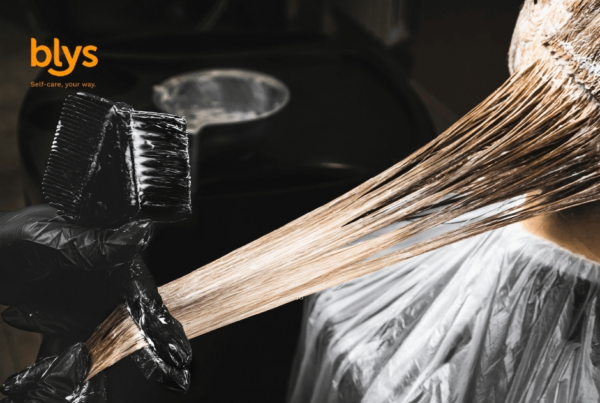
The hand-painting itself, followed by processing time for the lightener to actually develop, makes up the bulk of the appointment length, and processing time specifically can’t be rushed without risking an uneven or under-lightened result.
Toning and Finishing
A toner is generally applied after the main lightening process to refine the final shade, adding real time to the overall appointment but making a real difference to how polished the finished colour actually looks. Skipping this step to save time rarely pays off, since an untoned result can look noticeably more brassy or uneven than the same colour once properly refined.
Adding a Gloss Treatment in the Same Visit
A gloss treatment can sometimes be added to the same appointment as a balayage, saving a separate return visit later, though this does add its own processing time on top of everything else already happening that day. Asking about this option upfront, rather than assuming it’s automatically included, avoids an unexpectedly longer appointment than what was actually booked.
Planning Around a Longer Appointment
Given how much time a proper balayage actually requires, a bit of planning goes a long way toward making the appointment itself feel less like an endurance test.
Booking at a Time That Actually Suits a Long Session
Scheduling a balayage appointment first thing in the morning or with a properly open afternoon afterward avoids the specific stress of watching the clock during hour three, wondering whether a scheduled commitment is about to be missed entirely.
Bringing Something to Actually Do
Bringing headphones, a book, or work that can be done one-handed makes several hours in a chair feel considerably less like a waiting room and more like time actually well spent. Hair texture specifically affects both timing and technique, so discussing this upfront with a colourist experienced in the relevant texture helps set an accurate time expectation from the very start, rather than a generic estimate that doesn’t actually account for the hair in question.
Building in Buffer Time Before a Big Event
Booking a balayage appointment the same day as an important event leaves no room for an appointment running longer than expected, whether from unexpected colour correction, extra lift needed, or simply a busier-than-usual salon schedule that day. Booking at least a few days ahead of anything time-sensitive protects against an appointment overrun turning into a real problem rather than a minor inconvenience.
Knowing what actually drives a balayage appointment’s length, hair length, lift needed, scope, and colourist experience, turns a long, unpredictable-feeling appointment into something properly plannable instead. Mentioning these specifics when booking helps set an accurate time expectation from the start rather than a guess.
Get an Accurate Estimate Before You Book →
Frequently Asked Questions
How long does a balayage take?
Typically two to four hours, depending on hair length, thickness, and how much lightening is actually needed to reach the desired result.
How long do balayages take compared to highlights?
Balayage generally takes longer than a standard highlights appointment, since the freehand painting technique is a more deliberate, considered process than a repeatable foiling pattern.
What is balayage exactly?
Balayage is a freehand hair colouring technique where colour gets hand-painted onto sections of hair rather than processed through foils, producing a soft, natural gradient.
Does hair length affect how long a balayage takes?
Yes, considerably. Longer hair has more surface area to section and paint through, which adds real time regardless of how efficient the colourist is.
Do foils added alongside balayage make the appointment longer?
Yes, some colourists add a few foils for extra brightness in specific areas, and each one extends the appointment slightly beyond a purely freehand approach.
Does a full-head balayage take longer than a partial one?
Yes, a partial balayage focused on face-framing pieces or a smaller section takes noticeably less time than a full-head application covering the entire length and width of hair.
Does a balayage refresh take as long as the first appointment?
No, a maintenance refresh generally takes less time, since it only needs to extend and blend the existing pattern outward rather than establishing the whole gradient from scratch.
Can previous hair colour affect how long a balayage takes?
Yes, previously coloured hair, box dye, uneven grow-out, or a faded previous balayage sometimes needs colour correction first, which adds real time and can occasionally require a separate appointment.
Why does more hair lightening take extra time?
Going from a very dark starting colour to a significantly lighter result often requires multiple rounds of lightening to reach the desired shade safely, adding real time compared to a smaller colour shift.
Does a colourist’s experience affect appointment length?
Yes, since balayage relies on freehand judgement rather than a fixed pattern, a colourist experienced with the specific technique generally moves faster and more confidently than someone less practised with it.
Should I leave a buffer before a big event when booking balayage?
Yes, booking at least a few days ahead protects against an appointment running longer than expected, whether from colour correction, extra lift, or a busier salon schedule that day.
What should I bring to a long balayage appointment?
Headphones, a book, or work that can be done one-handed all help make several hours in a chair feel more like time well spent rather than a waiting room experience.