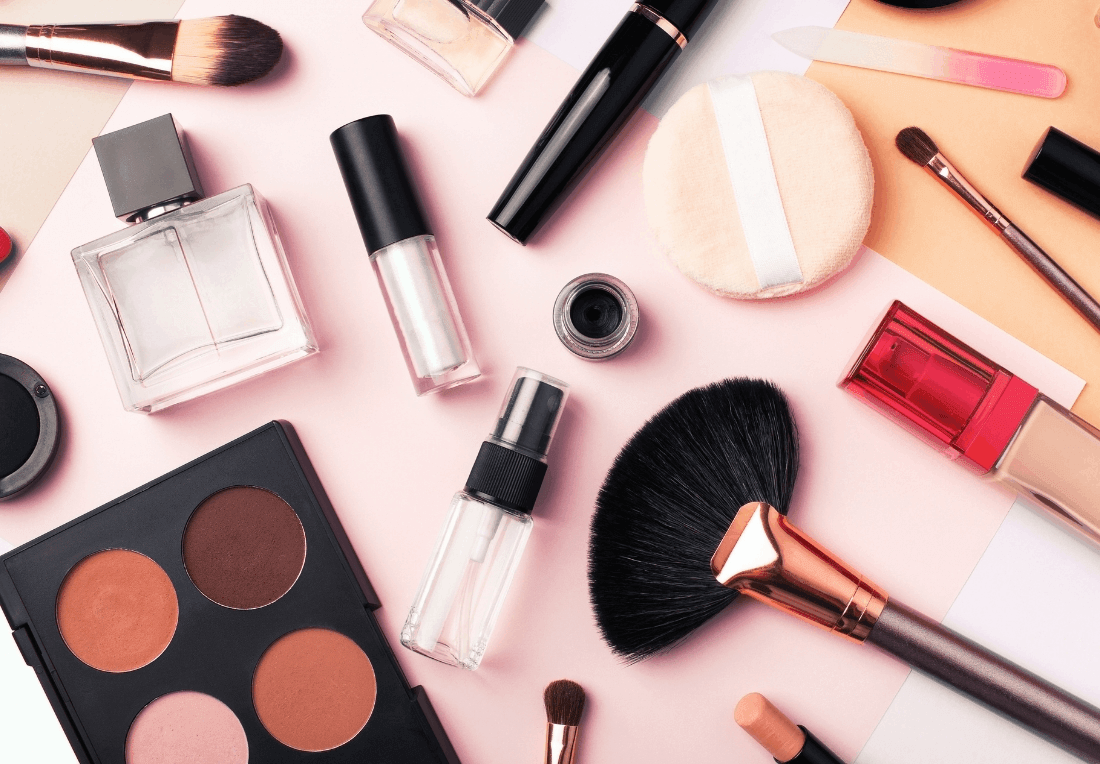
Making makeup last all day comes down to the right product layering order, a long-lasting foundation formula suited to your skin, and a proper setting step at the end. Makeup that looks flawless at 8am and has visibly left the chat by 3pm is less a personal failing and more a sign the actual routine needs rethinking.
Product Tips for All-Day Wear
The right products, used in the right order, do most of the actual heavy lifting here.
Sunscreen Still Goes On First
Sunscreen applied properly before primer, left to absorb for a few minutes, protects skin without interfering with how well primer and foundation grip afterward. Skipping this step to save time, or applying sunscreen too close to foundation, is a common reason makeup slides around more than expected on sunny days specifically.
Primer Is Non-Negotiable
A proper primer creates a barrier layer between skin and foundation, giving makeup something smoother and more even to actually grip onto rather than sliding around on bare skin all day. Mature skin specifically benefits from a slightly different primer choice, hydrating over mattifying, so that piece is the better reference if that’s the specific skin type in question.
Choosing a Long-Lasting Foundation Formula
Formulas marketed as transfer-resistant or long-wear typically use film-forming ingredients that create a more durable finish once set, actually holding up better through heat, sweat, or a long day than a standard formula manages. Airbrush application takes this even further, trading some buildable coverage for noticeably longer wear, a real option for an event where durability counts for more than anything else.
Not Every Artist Delivers the Same Result
Checking a provider’s reviews for specific mentions of long-wear results, instead of overall style alone, gives a far clearer signal of who’s actually skilled at making a look last rather than just look good in the first hour.
Setting Powder vs Setting Spray
Setting powder absorbs oil and locks foundation in place from the moment it’s applied, while setting spray adds a final, slightly different kind of hold on top of everything else, and using both together generally outperforms relying on just one or the other.
Blotting Papers Over Reapplying
Blotting paper does more unglamorous, unsung work for all-day wear than most of the actual makeup sitting on top of it. Pressing a sheet against oily areas midway through the day removes shine without adding more product, which keeps makeup looking fresh rather than increasingly heavy by the afternoon.
Technique Tips for All-Day Wear
A handful of small technique choices matter just as much as which products actually get used.
The Layering Order That Actually Matters
Primer, foundation, concealer, setting powder, then setting spray, in that specific sequence, gives each product a chance to actually do its job rather than fighting with whatever went on before it. Skipping steps or doing them out of order is a common, honest reason makeup fades faster than it should.
Blending Properly at the Edges
Foundation left unblended at the hairline or jawline usually shows a harder edge once the rest of the face starts to fade slightly, making the whole look appear patchier by the afternoon than it actually is. Taking the extra minute to blend these edges thoroughly at application pays off considerably later in the day.
The Baking Technique Explained
Applying a heavier layer of translucent powder over concealer, particularly under the eyes, and leaving it to sit for a few minutes before dusting off the excess sets makeup more intensely in exactly the spots most prone to creasing throughout the day. This technique looks a little alarming mid-process, pale, powdery, slightly ghostly, but the payoff is a properly more crease-resistant finish once it’s actually brushed away.
Avoid Touching Your Face
Nobody consciously decides to touch their face forty times a day, and yet somehow the foundation knows. Oil and product from hands transfers onto skin every time, breaking down makeup faster than it would fade on its own, so being mindful of this habit actually extends how long a finished look actually holds up.
Blush and Bronzer Have Their Own Longevity Quirks
Cream formulas applied before powder generally last longer than powder applied alone, since the cream acts as a base layer the powder version can then be set over for extra hold. Powder-only application is faster but usually fades more visibly by the afternoon, especially on skin that runs oily through the cheeks and temples specifically.
Making Eye and Lip Makeup Last Just as Long
Foundation isn’t the only thing fading by the afternoon, eyes and lips need their own specific attention too.
Eyeshadow Needs Its Own Primer
A dedicated eye primer, separate from face primer, gives eyeshadow something to actually grip onto rather than sliding into the crease a few hours in, which is exactly where most eyeshadow wear problems actually start.
Setting Lip Colour Properly
Blotting lipstick with a tissue, then applying a second thin layer on top, builds a longer-lasting result than one thick application alone manages, since the first layer acts as a stain the second layer can then sit on top of more securely.
Handling Touch-Ups Throughout the Day
Even the best all-day routine occasionally needs a small mid-afternoon rescue.
Touching Up Without Starting Over
Specific tricks for touching up makeup partway through the day make a bigger difference than reapplying a full face from scratch, since a full redo often looks heavier and less natural than the original application did that morning.
Planning Ahead for a Longer Event
Raising expected wear time with an artist when booking lets them plan for touch-ups or choose products built for the full stretch, rather than assuming a standard application will hold just as well through twelve hours as it does through six.
Proper Removal Affects Tomorrow’s Wear Too
Makeup left on overnight clogs pores and leaves a residue that makes the next day’s foundation grip less evenly from the start, creating a cycle where each day’s makeup fades a little faster than it should. A proper double cleanse at night, oil-based cleanser first to dissolve makeup, then a water-based one to actually clean the skin, sets up a better base for every subsequent day’s wear. Professional makeup application already factors longevity into the actual technique and product choice from the first consultation, rather than treating it as an afterthought added on at the end.
Special Considerations for Specific Situations
Not every day or every event calls for exactly the same approach.
Hot and Humid Conditions Need Extra Planning
Heat and humidity both work against makeup longevity specifically, so leaning harder on setting spray, blotting papers, and an actually transfer-resistant formula counts for more on a hot day than it does on a cool, dry one.
Air Conditioning Causes Its Own Problems
Air conditioning dries out skin over several hours, which can make makeup look more obviously dry and cakey by the afternoon despite there being no actual heat or sweat involved at all. A hydrating setting spray reapplied partway through an air-conditioned day addresses this specific kind of fading differently than it would address heat-related fading.
Long Events Benefit From Professional Help
Discussing durability upfront with an artist for a long event lets them choose products and techniques specifically suited to how many hours the look actually needs to hold, rather than defaulting to a standard approach built for a shorter day.
Get Makeup That Actually Lasts →
Frequently Asked Questions
How long should you wait between skincare and makeup for the best longevity?
A few minutes at minimum, letting skincare properly absorb rather than applying foundation over a product that’s still sitting on the surface, which can cause everything to slide around later.
Does drinking water during the day affect how long makeup lasts?
Not in any direct, immediate way, though overall skin hydration from a consistent water intake habit supports a better base for makeup generally over time.
Can oily skin specifically hold onto makeup for a full day?
Yes, with the right approach, oil-free or mattifying primer, a long-wear formula, and blotting rather than reapplying throughout the day all help oily skin specifically hold a look considerably longer.
Does exercising during the day ruin makeup underneath?
Sweat actually can break down makeup faster, so a proper setting spray beforehand and gentle blotting rather than wiping afterward helps minimise the damage from a workout squeezed into a long day.
Should foundation shade be adjusted for events where makeup needs to last longer?
Not usually, shade stays the same regardless of wear time, though formula choice specifically, rather than colour, is what actually changes for a longer-lasting result.
Does weather humidity specifically affect how eye makeup holds up?
Yes, humidity can cause eyeshadow creasing and eyeliner smudging faster than it would on a dry day, so a proper eye primer matters even more under humid conditions specifically.
Can makeup last all day without any touch-ups at all?
For most people, a small touch-up somewhere past the midday mark is realistic even with a solid routine, so planning for one small check-in instead of expecting a flawless twelve hours sets a more honest expectation.
Does the order of applying blush and bronzer affect how long colour lasts?
Not significantly for longevity specifically, though setting either one with a light dusting of translucent powder afterward helps both hold their colour a bit longer throughout the day.