Mobile remedial massage is one of the more practical ways to build a remedial massage therapist practice in Australia without the upkeep of a fixed clinic. The schedule is more flexible, the earning potential for experienced therapists with a consistent client base is meaningfully higher than employed clinic work, and the startup costs are lower than most people expect. This guide covers what you actually need to get started: the equipment, the compliance requirements, how to conduct assessments at a client’s home, how to price your sessions, and how to fill your booking pipeline.
Equipment You Need for Mobile Remedial Massage
Getting your equipment right from the start saves money and physical wear over the long run. For remedial massage specifically, the toolkit goes a little further than relaxation massage.
The Massage Table
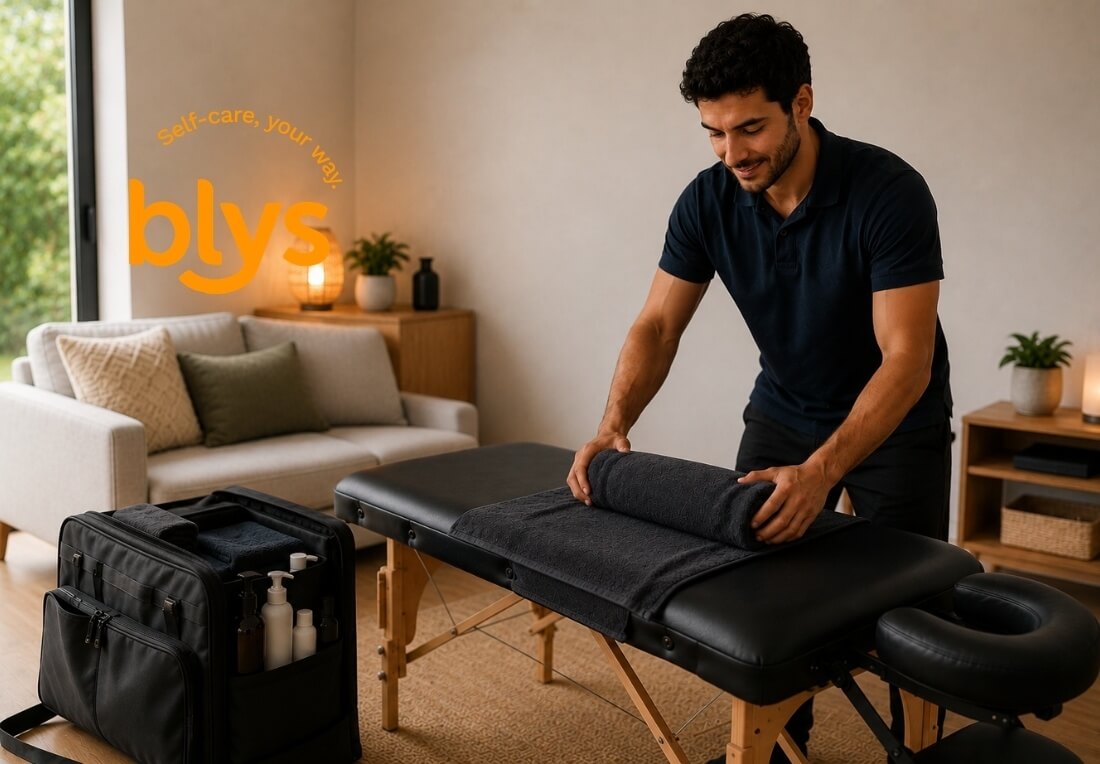
Your table is the most important piece of equipment you own. For mobile work, weight and portability matter as much as clinical quality. A lightweight aluminium portable table, typically between 12 and 15 kilograms, is the standard choice for mobile therapists. Look for a table that is height-adjustable, has high-density foam padding for client comfort, and comes with a quality face cradle. A carry case with shoulder straps is essential since you’ll be transporting this between locations regularly.
Avoid the temptation to go too light on quality to save money. A cheap table that wobbles or is difficult to adjust will affect your work and your professional presentation.
Linen and Draping
Fresh linen for every client is non-negotiable. A standard mobile kit includes fitted table sheets, flat top sheets, face cradle covers, and towels for draping and positioning. Having enough sets to cover a full day of sessions without needing to wash between clients is worth planning for. A waterproof table cover underneath your linen is useful for hygiene management, particularly for clients with certain skin conditions or when using heat therapy.
Bolsters and Positioning Aids
Remedial massage often requires specific client positioning to access target areas effectively. A half-round bolster for under the ankles in prone position and a full bolster or pillow for under the knees in supine position are standard. Some therapists also carry a body support cushion for side-lying work, which is particularly useful for pregnancy massage clients.
Massage Media
Carrier oils, creams, and waxes are the standard media for remedial massage. Many mobile therapists carry a small selection: a neutral carrier oil for general work, a cream for clients who prefer less slip, and an arnica-based product for acute soft tissue work. Keep quantities manageable for transport and rotate stock regularly.
Clinical Tools
Beyond the hands-on basics, experienced remedial therapists often carry additional tools. Some common additions are a heat pack or hot stone set for thermal therapy, a cupping set for myofascial work, and a massage gun or percussive therapy device for targeted work between manual techniques. These are not essentials from day one, but they expand what you can offer as your practice develops.
Hygiene and Sanitation
Hospital-grade disinfectant spray for wiping down the table between clients, disposable face cradle covers as a backup, and hand sanitiser are baseline requirements. For mobile work, you don’t have a clinic sink always available, so carrying a portable hygiene kit is worth the habit from the start.
A Reliable Vehicle
Your vehicle needs to reliably fit your table, linen bag, and equipment kit. A hatchback or SUV with the seats down works for most setups. Please remember to factor fuel costs into your session pricing from day one.
Insurance and Compliance for Mobile Remedial Massage in Australia
The compliance requirements for mobile remedial massage in Australia are the same as for clinic-based work, with a few practical adaptations.
Professional indemnity insurance is mandatory. It covers you for claims arising from your professional advice or treatment. Public liability insurance is equally important for mobile work, since it covers you if a client or third party suffers injury or property damage during a session. Both are typically available as a combined policy through your professional association.
Association membership with Massage and Myotherapy Australia (MMA), ATMS, or AMT is required for insurance eligibility and private health fund recognition. Without association membership, your clients cannot claim remedial massage rebates on their health fund extras, which limits your appeal to a significant portion of the client market.
A current first aid certificate (minimum HLTAID011 Provide First Aid) is a standard professional requirement and worth keeping current regardless of your practice setting.
For private health fund recognition specifically, most funds require a minimum Diploma of Remedial Massage qualification and current association membership. The full pathway from how to become a remedial massage therapist to gaining health fund provider status takes time but opens the door to a significantly larger client pool.
How to Conduct a Client Assessment at Their Home
Assessing a client in a home setting requires some adaptation from clinic practice, but the clinical principles are the same.
When a client books through Blys, they provide key information upfront as part of the booking: their focus areas, any pre-existing conditions or injuries, pressure preferences, and notes for the therapist. Reviewing these details before you arrive means you walk in with context rather than spending the first part of a paid session establishing it.
On arrival, do a brief verbal check-in to confirm what they’ve shared in the booking, ask about anything that’s changed recently, and clarify what they want to achieve from the session. For new clients with a specific complaint, a brief postural or movement screen before they get on the table helps orient your treatment plan. Observing how they stand, how they move to the table, and where they’re guarded tells you a lot before you’ve placed a hand on them.
Adapt your assessment for the space you’re working in. You won’t always have room for a full analysis, but posture and movement patterns can be observed in whatever space is available. Keep your assessment efficient and purposeful, since your clients are paying for treatment, not an extended assessment sequence.
Document your findings and treatment notes after each session. For remedial massage specifically, proper clinical records matter for professional accountability, insurance purposes, and continuity of care across sessions.
Pricing Mobile Remedial Massage Sessions
Pricing your mobile sessions involves factoring in more than just your time in the treatment room. Travel, fuel, equipment wear, insurance, association fees, and the time spent on admin all feed into what a sustainable rate looks like. Many new therapists underestimate these costs early on, which makes it harder to build a practice that’s financially viable over the long term.
Working through a platform like Blys removes much of this calculation from the equation. The platform sets transparent rates that reflect the full cost of delivery, and clients book knowing what they’re paying upfront. For mobile remedial massage therapists in Australia, session rates through Blys vary depending on duration, appointment time, and location. The Blys remedial massage page has the full breakdown.
How Blys Connects Mobile Remedial Therapists with Clients
Finding clients is the hardest part of building a mobile practice, particularly in the early stages before word of mouth kicks in.
Blys handles all client acquisition, giving you immediate access to an established pool of clients in your area who are actively booking remedial massage. The platform manages bookings, payments, and admin through the Blys Provider app, with earnings paid directly to your account weekly. Sessions are GPS-tracked, and 24/7 support is available while you’re on the job. A strict cancellation policy protects your income if a client cancels last minute or doesn’t show up.
Signing up is simple. Enter your personal details, set your service area radius, choose your services, add your professional experience and qualifications, and create your account. Once your credentials are verified, you can start accepting bookings.
The realities of remedial massage as a career are worth knowing before you commit. When you’re ready, your first client is closer than you think.