Microblading uses a hand tool to create fine, hair-like strokes for a natural look, while powder brows use a machine to deposit soft, dotted pigment for a more defined, makeup-like finish that typically lasts longer. Every other brow treatment covered so far grows out or fades within weeks. Microblading and powder brows are the first ones that actually ask you to commit, which is a properly different kind of decision to make standing in a bathroom mirror.
Powder Brows vs Microblading at a Glance
| Microblading | Powder Brows | |
| Tool | Hand tool, manual strokes | Machine, dotted technique |
| Look | Natural, hair-like | Defined, makeup-like |
| Typical longevity | 1 to 2 years | 2 to 3 years |
| Holds up on oily skin | Less well | Better |
| Healing process | Several weeks, with a touch-up | Several weeks, with a touch-up |
Technique: How Each One Is Actually Done
The actual tool and method behind each technique explain every other difference on this list.
Microblading Uses a Hand Tool for Hair-Like Strokes
A cosmetic tattoo artist uses a hand-held tool with tiny needles arranged in a row, manually dragging pigment into the upper layers of skin in fine, individual strokes that mimic the look of real brow hair. A microblading eyebrows appointment itself runs through consultation, mapping, and aftercare as separate, distinct stages, each one shaping the final result as much as the actual strokes do.
Powder Brows Use a Machine for a Soft, Filled Look
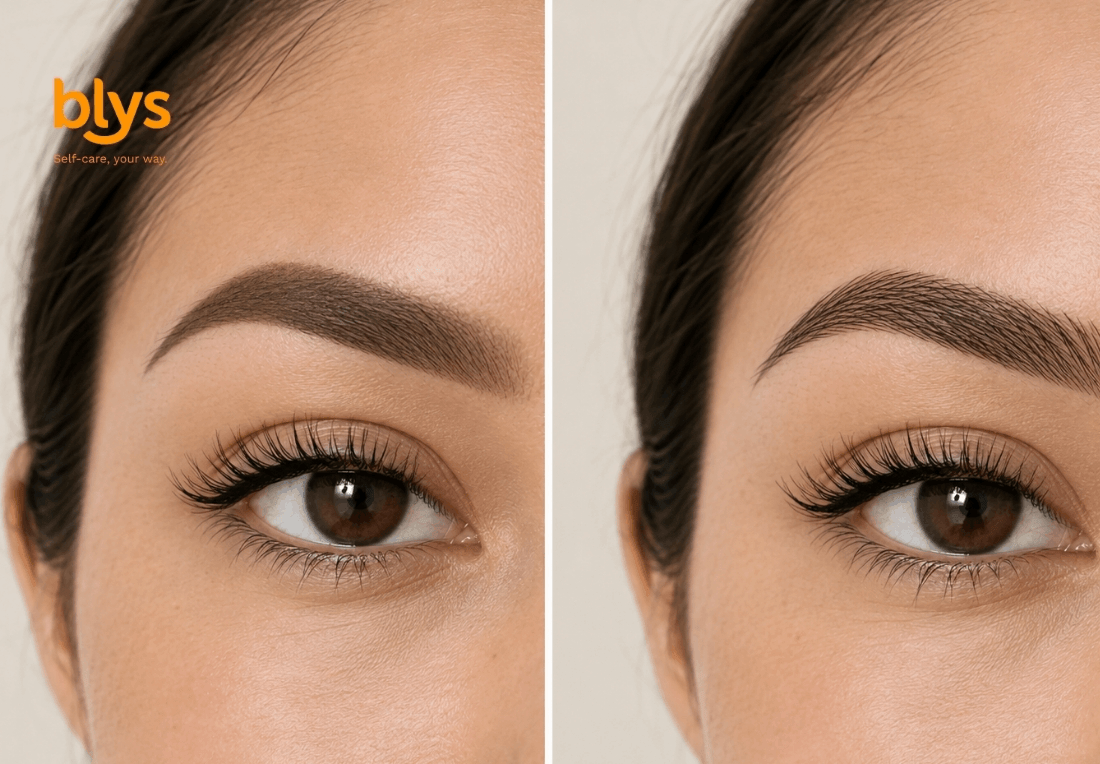
Powder brows, sometimes called ombre brows, use a machine to deposit pigment as tiny dots rather than strokes, building up a soft gradient that reads more like filled-in brow powder than individual hairs.
Both Start With a Proper Consultation and Mapping
Before any pigment goes anywhere, a cosmetic tattoo artist maps out the brow shape using face symmetry and existing brow structure as a guide, marking the exact outline both the client and artist agree on before work actually begins. Skipping or rushing this step is how a result ends up uneven or doesn’t actually suit the face it’s on.
Look: The Actual Visual Difference
Choosing between the two really comes down to which finished look actually matches what you picture when you imagine your own brows.
Microblading Looks More Like Natural Hair
The hair-stroke pattern blends in with existing brow hair for a subtle, “my brows but fuller” enhancement, which suits anyone wanting the result to look like it isn’t really there at all.
Powder Brows Look More Like Makeup, Permanently
The soft, gradient fill reads closer to brow powder or pencil applied by hand, giving a more structured, defined shape that suits anyone who already fills their brows in daily and wants that same look without the daily effort.
Longevity: Which One Actually Lasts Longer
Finding out your skin type specifically works against microblading’s longevity is the kind of plot twist nobody mentions until you’re already a few months into watching your hair-strokes blur into a solid question mark.
Why Powder Brows Generally Outlast Microblading
Powder brows typically last two to three years, while microblading generally lasts one to two years, since the fine hair-strokes sit in a shallower part of the skin and are more prone to blurring and fading unevenly over time than the dotted powder technique is.
Skin Type Actually Changes the Equation
Oily skin specifically causes microbladed strokes to blur and spread faster than they would on drier skin, often shortening how long the crisp, hair-like effect actually looks sharp. Powder brows usually hold their shape better on oily skin overall, which makes skin type an actually practical factor in choosing between the two, not just a preference about look alone.
Is Microblading Painful?
Topical numbing cream is doing more unsung heroic work in the cosmetic tattooing industry than almost any other single product, and it rarely gets the credit it deserves.
What Numbing Cream Actually Does
A numbing cream applied before the procedure significantly reduces sensation, which is exactly why most people report only mild discomfort, a scratching or pressure sensation, rather than significant pain throughout the appointment.
The Honest Range of What People Actually Feel
Individual pain tolerance actually varies, and some areas of the brow can feel slightly more sensitive than others even with numbing cream applied, but outright significant pain isn’t the typical experience for most clients.
The Healing Process Both Techniques Require
Freshly done microblading looks alarmingly bold for the first several days, which is exactly the point you should not be googling “did I make a huge mistake” at 2am, because the real answer is no, it’s just healing.
Why Fresh Results Look Different From Healed Results
Both techniques appear noticeably darker and more intense immediately after the appointment, then lighten and soften considerably over the following four to six weeks as the skin heals and settles into its true, final colour.
What the First Week Actually Involves
Light scabbing and flaking is a completely normal part of healing for both techniques, and picking at it rather than letting it fall away naturally can pull pigment out unevenly and leave patchy gaps in the final result. Keeping the area clean and dry, avoiding makeup directly on the brows, and resisting the urge to touch them unnecessarily all protect the result during this specific window.
The Touch-Up Appointment Isn’t Optional
A touch-up appointment, usually scheduled four to eight weeks after the initial session, fills in any unevenness and perfects the final result once healing is actually complete. Skipping this step leaves the result less even and less polished than it’s actually designed to look.
Hybrid Brows Combine Both Techniques
Some cosmetic tattoo artists offer a hybrid approach, combining hair-stroke detail at the front of the brow with a softer powder fill through the body and tail, giving a result that’s more textured than pure powder brows but more defined than pure microblading alone. This isn’t offered by every artist, so asking outright whether a specific provider has experience with this particular combination avoids assuming it’s available when it might not be.
Not Ready to Commit? Temporary Alternatives Exist
Neither microblading nor powder brows are the only way to get fuller, more defined brows. Brow lamination reshapes existing brow hair for several weeks without any pigment involved at all, a properly lower-stakes way to test a fuller shape before committing to something semi-permanent.
Colour works the same way. Eyebrow tint adds depth on a similarly short-term basis, letting anyone trial a bolder brow colour for a few weeks rather than a year or more.
Who Should Think Twice Before Either Technique
Anyone currently pregnant or breastfeeding, dealing with active skin conditions on the brow area, or taking blood-thinning medication should raise this outright with a cosmetic tattoo artist before booking, since these factors can actually affect both safety and how well the result actually heals.
What If You Change Your Mind Afterward
Since both techniques are semi-permanent rather than permanent, an unwanted result does fade on its own eventually, though waiting out a full fade can take over a year depending on which technique and how deep the pigment actually sits. Saline removal or laser removal are both real options for anyone wanting a faster correction, though either adds real cost and time on top of whatever was already spent on the original appointment.
Choosing the Right Technique for You
Neither option is objectively better, since they’re built to solve properly different goals.
Choose Microblading If You Want Something Natural
Anyone with decent natural brow hair already, wanting a subtle enhancement that still looks like real hair rather than makeup, generally prefers microblading’s finished result.
Choose Powder Brows If You Want Definition That Lasts
Anyone wanting a more structured, defined shape that holds up longer, particularly with oilier skin, typically gets more out of powder brows specifically.
Cost Differences Between the Two
Pricing varies by artist and location, but powder brows and microblading often sit in a fairly similar general range, since both require specialised training and comparable appointment time overall. Factoring in the touch-up appointment both techniques need, and how much less frequently powder brows typically need a full refresh given their longer lifespan, gives a more accurate total cost picture than comparing the initial appointment price alone.
Checking a cosmetic tattoo artist’s reviews for specific mentions of the exact technique you want matters more here than for almost any other beauty treatment, given how long the result actually sticks around.
Mentioning which look you’re actually after when booking through Blys helps match you with a cosmetic tattoo artist experienced in that specific technique from the very first consultation.
Get Your Brows Assessed at Home →
Frequently Asked Questions
Is microblading painful?
Most people report only mild discomfort thanks to topical numbing cream applied beforehand, though individual pain tolerance varies and some areas can feel more sensitive than others.
What are microbladed eyebrows?
Microbladed eyebrows have fine, hand-drawn strokes of pigment implanted into the upper layers of skin, designed to mimic the look of natural individual brow hairs.
Can microblading be done over old, faded microblading?
Generally yes, though a cosmetic tattoo artist needs to properly assess existing pigment first, since colour correction may be needed before fresh strokes can be added cleanly.
Does makeup remover or cleanser affect microbladed or powder brows once healed?
Once fully healed, both hold up fine against normal cleansing, though harsh exfoliating products used directly and repeatedly on the brow area can contribute to fading slightly faster over time.
Can you tan or use a sunbed after getting microblading or powder brows?
It’s best to wait until fully healed, generally a few weeks, since fresh pigment and the healing skin underneath are more sensitive to heat and UV exposure during that early window specifically.
Is one technique more suitable for sparse brows specifically?
Powder brows often suit very sparse brows slightly better, since the filled, gradient look can create more apparent density than fine hair-strokes alone manage on very thin natural brow hair.
Does sun exposure affect microblading or powder brows differently?
Both fade faster with regular, unprotected sun exposure, since UV light breaks down pigment over time regardless of which specific technique was used.
Can you still wear brow makeup over microblading or powder brows once healed?
Yes, both techniques are compatible with regular brow makeup applied on top once fully healed, for anyone wanting extra definition on a given day.
Is a patch test needed before microblading or powder brows?
Yes, since pigment can trigger allergic reactions in some people, a patch test beforehand is a standard, sensible safety step for either technique.