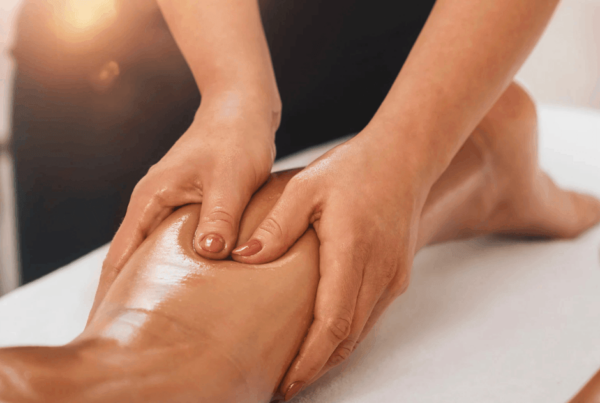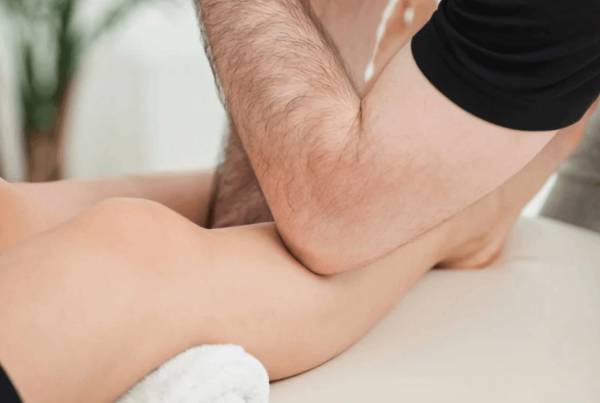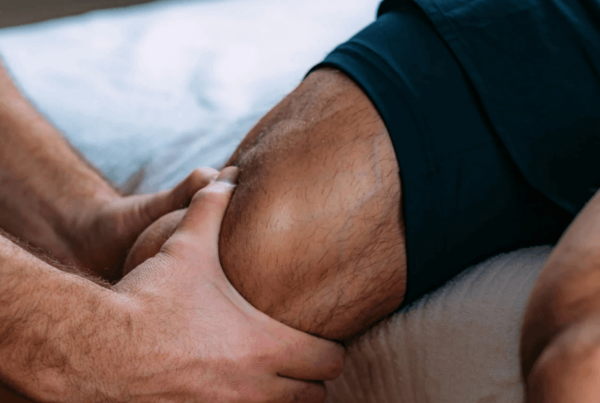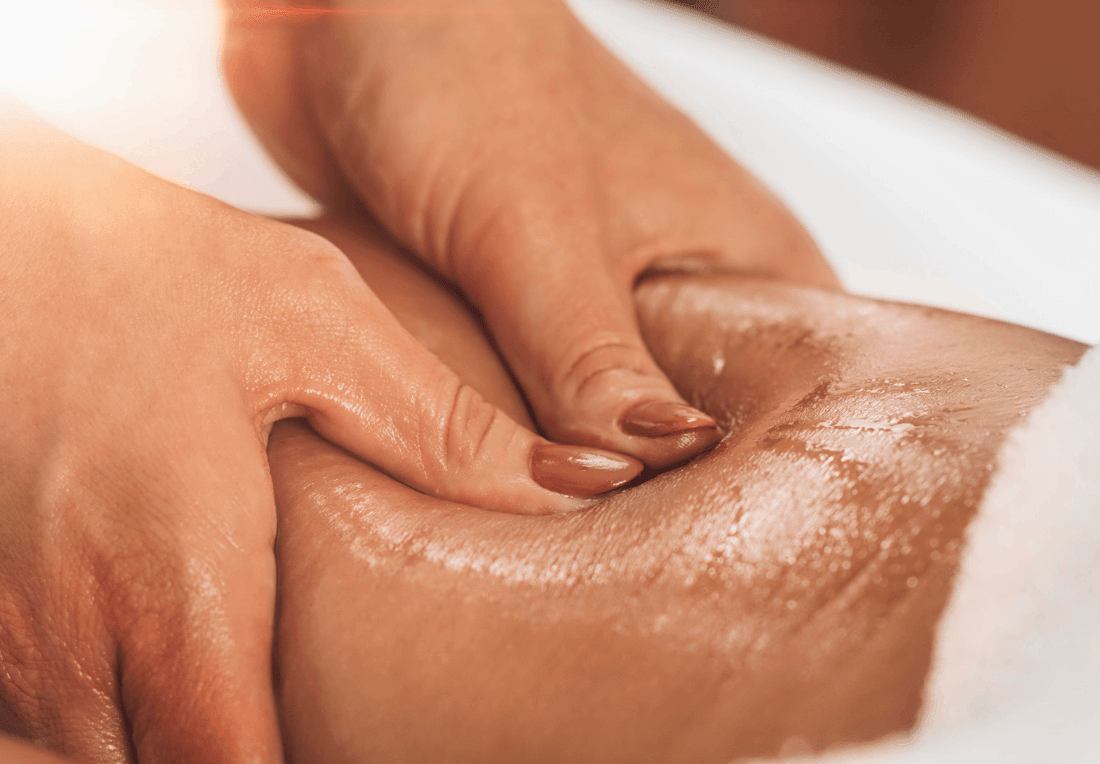
A pulled muscle is a strain, meaning a muscle stretched too far or slightly torn, and the best time for massage for pulled muscle pain is after the first few days, once walking feels comfortable again. A fresh injury needs rest and sometimes a medical check, not a rub. Rubbing a fresh strain is like sanding wet paint.
Walking to the car is the hard part when your hamstring says no, so it helps that a local therapist can bring sports massage sessions or a physiotherapist to your home once the early stage has passed.
What Is a Pulled Muscle?
A pulled muscle is a muscle that tried a surprise sprint without a warm-up, and it wants an apology, not a massage. The medical word is a strain, and it ranges from a mild tweak you can walk off to a serious tear that needs a doctor.
What Is a Muscle Strain?
A muscle strain happens when a muscle, or the tendon that joins it to the bone, stretches past what it can handle and some of the fibres tear. It usually happens during a sprint, a kick, a heavy lift or a sudden stretch, and it often hits muscles that cross two joints, like the hamstrings and calves. A strain isn’t the same as a sprain, which is an injury to a ligament.
Strain Grades in Plain Terms
Doctors and physiotherapists group strains into three grades, and the table shows the plain-English version. Only a doctor or physiotherapist can grade yours.
| Grade | In plain terms | What it often feels like | Next step |
| Grade 1 | A mild strain, with a few fibres overstretched | Tight and sore, you can walk, and it hurts a little when you use the muscle | Rest, and ask a doctor or physiotherapist if unsure |
| Grade 2 | A partial tear | Sharper pain, some swelling or bruising, a limp and less strength | See a doctor or physiotherapist |
| Grade 3 | A severe tear, sometimes a complete one | Sudden pain, often a pop, big swelling and bruising, you can’t walk or use the muscle | See a doctor now |
What Does a Pulled Muscle Feel Like?
A pulled muscle usually feels like a sudden sharp pain or a deep, tight ache in the muscle, and it often happens mid-activity, when you stop mid-stride or feel something go. It can be sore to touch, stiff to stretch and weak when you use it. Bruising can show up a day or two later, and it can sit lower than the injury.
Pulled Hamstring and Pulled Calf: Common Examples
The hamstrings at the back of the thigh and the calves are the two muscles that get pulled most often, and they show how the same injury looks in different places.
Pulled Hamstring: What Happens
A pulled hamstring usually happens during a sprint, a kick, a stretch or a heavy lift, and you feel a sudden pain at the back of the thigh. Pulled hamstrings love a Saturday kick-around or an overconfident sprint for the bus. You may limp, find sitting uncomfortable or see bruising spread down the back of the leg. Runners and sprinters get it often, and sports massage for runners is the usual route back once the early stage has passed.
Pulled Calf: What Happens
A pulled calf usually comes from pushing off hard, like a sprint or a jump, and it can feel like a sudden pain or a pop at the back of the lower leg. It can be sore to walk on and to stand on your toes. If your calf is swollen, red or warm, don’t assume it’s a strain, because that needs a doctor now, and tight calves and calf cramps are a separate problem with their own red flags.
Pulled Hamstring vs Tight Hamstrings
A pulled hamstring and tight hamstrings are different problems, and they call for different timing, so hamstring massage after a strain and massage for tight hamstrings aren’t the same thing. The table sets them side by side.
| Feature | Pulled hamstring (strain) | Tight hamstrings |
| How it starts | Suddenly, often mid-activity | Gradually, over days or weeks |
| What it feels like | Sharp pain, sometimes a pop, then soreness | A stiff, pulling feeling |
| Swelling or bruising | Possible | No |
| Walking | May be sore or cause a limp | Usually fine |
| Massage | Wait for the early stage to pass | Can help, with your doctor’s okay |
| Who to see | A doctor or physiotherapist | A therapist, or a physiotherapist if it persists |
Red Flags: When a Pulled Muscle Needs a Medical Check
Most pulled muscles are mild, but a few signs mean you stop and get medical help first, and this is the part most massage posts skip.
Call 000 for These Signs
Call 000 if you’ve hurt your leg badly and it looks out of shape, you can’t put any weight on it or the foot is cold, pale or numb. Also call if calf pain or swelling comes with chest pain, shortness of breath or feeling faint, because a blood clot is an emergency. Don’t arrange a massage and don’t wait it out.
See a Doctor or Physiotherapist Now for These Signs
See a doctor or physiotherapist before any massage if you felt a sudden pop or tearing, you can’t walk normally or stand on the leg, or there’s a lot of swelling or bruising. Also get seen if you can feel a dent or gap in the muscle, have numbness or tingling, or the pain is getting worse, wakes you at night or is sharp at rest. If one calf is swollen, red, warm or painful, see a doctor now, and don’t massage it.
What This Page Is and Isn’t
This page is general information about pulled muscles and massage, and it isn’t medical advice. It doesn’t diagnose or grade your injury, and it doesn’t promise that massage will speed up recovery. No massage on a fresh injury, and a severe strain needs a medical check, so ask your doctor or physiotherapist before you arrange anything if you have any red flag or any doubt.
Massage for Pulled Muscle Recovery: A Timing Guide
Most posts about massage for pulled muscle recovery skip the timing, and the timing is the whole point. A strain goes through stages, and the right move changes at each one.
The First Few Days: Wait
In the first few days after a strain, the muscle is raw and sore, and the answer is rest, not massage. Don’t rub, knead or dig into the area, and don’t test it by sprinting to the bus. The sofa is a perfectly good treatment room for now, and a doctor or physiotherapist can check anything beyond a mild tweak.
The Recovery Stage: When Massage Can Help
Once the first few days have passed, the pain is easing, the swelling has settled and walking feels comfortable, massage around the area can ease the tightness that builds up around a strain. Massage for muscle strain at this stage, as in remedial massage for sports injury recovery, is gentle, works around the sore spot and builds up slowly, and it’s a very different job from massage for muscle strain on a fresh injury, which is a no. If the strain was moderate or severe, wait for your doctor’s or physiotherapist’s go-ahead first.
Back to Training: Sports Massage
When you’re moving freely and heading back to training, sports massage can help keep the muscles around the area loose while you build your load back up. Your therapist works from lighter to firmer pressure as the area allows, and you can tell them when to stop, since the benefits of sports massage are about looking after the muscles you rely on, not pushing them.
Green, Amber and Red Light
The table turns the timing into a simple traffic light, and your doctor or physiotherapist has the final say.
| Light | What it looks like | Massage? |
| Red | Fresh injury, sharp pain, swelling, bruising, a limp or you can’t walk normally | No massage. Rest, and get a check if it’s more than a mild tweak |
| Amber | Pain is easing but the spot is still sore to touch, or the bruise is fresh | Wait, or ask your doctor or physiotherapist first |
| Green | You walk comfortably, the pain is mild or dull, the swelling is gone and the tightness is around the area | Massage around the area can help, building up slowly |
How Massage Helps a Strained Muscle
Massage for muscle strain works on the muscles around the injury once the early stage has passed, and it fits best as one part of a plan.
Can Massage Help a Pulled Muscle?
Massage for pulled muscle recovery can ease the tightness around the area once the early stage has passed, and some people feel looser and more comfortable afterwards. It doesn’t mend the strain, replace rest or a physiotherapist’s plan, or speed up recovery on its own. If you’re in the red or amber stage, wait.
Remedial Massage Around the Area
Remedial massage sessions start with a conversation about what happened, when it happened and how it feels now, then build a plan that works around the injury and on the muscles that picked up the extra load. It suits the recovery stage.
Sports Massage for Returning to Training
Sports massage sessions use firm, specific pressure, and once you’re back to training they can keep the surrounding muscles loose while you rebuild.
Hamstring Massage After a Strain: What Gets Worked On
Hamstring massage works along the back of the thigh, from the sitting bone down toward the knee, and your therapist also looks at the glutes, the calves and the hip flexors, since they all share the load. After a strain, the early work is light and around the sore spot, and it builds up as the area allows. Hamstring massage after a pulled hamstring waits until the early stage has passed, and hamstring massage for a mild tweak still starts light.
Massage for Tight Hamstrings
Massage for tight hamstrings is a different job from massage for muscle strain, because the muscle isn’t injured, only stiff. It can ease that stiffness, and your therapist can use firmer, slower strokes along the muscle. If you’re not sure whether it’s tightness or a strain, ask your doctor or physiotherapist first.
What Happens in a Massage for Pulled Muscle Pain
A massage for pulled muscle pain is gentler than a normal sports massage, and it follows a predictable order.
Before the Session: The Conversation
Your therapist asks what happened, when it happened, how it feels now, whether a doctor or physiotherapist has seen it and what you’re hoping to get back to doing. Say if you’ve had any red flag signs from the section above. Your answers decide which areas get the most time and how firmly your therapist works.
During the Session: Positions and Pressure
You usually lie face down for the hamstring or calf, with a pillow under your ankles or hips so the muscle can relax. Please keep your underwear on and lie under a sheet or a towel, and your therapist uncovers only the area they’re working on. Expect gentle pressure that builds slowly, never a sharp or frightening pain, and speak up if it’s too much.
After the Session: What to Do Next
Some people feel a little tender the next day, and some feel looser right away. Move gently, keep to your normal routine and tell your therapist, doctor or physiotherapist if the pain gets sharper, the swelling returns or you notice a bruise spreading. An easy walk beats a long sit.
How Often Do People Arrange Massage After a Strain?
Your doctor or physiotherapist and your therapist decide how often makes sense, and it depends on how severe the strain was and what stage you’re in. On Blys you can set sessions to repeat and ask for the same provider each time, so the person arriving already knows your injury, your progress and what worked last time.
When to See a Physio for a Pulled Muscle
A physiotherapist grades the strain, builds a recovery plan and tells you when to move on to the next stage, which is the one thing massage can’t do.
Signs You Need a Physiotherapist
See a physiotherapist if you can’t walk normally, the pain isn’t easing after a few days, the same muscle keeps getting pulled or you’re not sure how bad it is. Also see one if you want a plan for getting back to sport safely.
What a Physiotherapist Does
A physiotherapist checks the muscle, grades the strain, shows you how to move safely and builds a plan to bring your strength and movement back step by step. A mobile physiotherapy visit is one way to get that at home when walking is sore. They can also tell you when massage fits into the plan.
Stretches, Load and Warm-Up Between Sessions
Massage can help the muscles around the strain, but what you do between sessions decides how smoothly you get back to normal.
Gentle Movement as Pain Settles
As the pain settles, easy walking and gentle movement usually beat complete rest, but the right amount depends on how bad the strain was. Your doctor or physiotherapist can tell you when to start and how far to go, and sharp pain means stop.
Warm-Up and Build-Up
A good warm-up and a gradual build back to full speed give the muscle time to cope with the load. Sprinting at full speed in your first session back is how strains come back, and a physiotherapist can give you a step-by-step plan for the build-up.
Stretching Without Overdoing It
Stretching a freshly pulled muscle hard can make it worse, so wait for your physiotherapist’s go-ahead before you stretch the injured muscle. Once the strain has settled, assisted stretching sessions have your therapist hold the position while you breathe, which keeps you from overdoing it.
Arranging Sports Massage or Physio at Home With Blys
When walking is sore, the last thing you want is a trip to a clinic, and a provider who comes to you fixes that.
Why Home Works When Walking Is Sore
When a strained hamstring or calf makes walking sore, a trip to a clinic means getting in and out of a car, sitting for the ride and walking from the car park, and each of those can hurt. Blys lists sports massage and physiotherapy, so you can arrange the right provider to your home, and hamstring massage at home means you can lie down on your own sofa afterwards. Bookings run from 6 am to midnight, seven days a week.
What to Expect When Your Provider Arrives
Your therapist brings the table, fresh linen, towels and massage oil or lotion, with about 2 x 2 metres of floor to clear. You’re not charged until a provider confirms your booking, and same-day times depend on availability. A quiet room and a sturdy chair nearby are all the space you need.
What to Put in Your Booking Notes
Put which muscle you strained, how it happened, how long ago, whether a doctor or physiotherapist has checked it and any grade you’ve heard in your booking notes. Add what you’re hoping to get back to, so your provider arrives knowing what to focus on and what to avoid.
Once the early stage has passed and your doctor or physiotherapist is happy, a session at home is an easy way to ease the tightness around a strain, and the sofa is already there.
Walking Still Sore? Arrange a Sports Massage or Physio at Home →
Pulled Muscle FAQs
These are the questions people type into search once something goes ping.
Can you massage a pulled muscle straight away?
No. A fresh strain needs rest in the first few days, and rubbing or digging into it can make it worse. Wait until the early stage has passed and walking feels comfortable, and ask your doctor or physiotherapist first if the strain was moderate or severe.
How long does a pulled hamstring take to recover?
It depends on how severe the strain is, and a mild strain recovers on a very different schedule from a severe tear. A doctor or physiotherapist can grade it and give you a realistic timeline, and rushing back is how a pulled hamstring becomes a repeat injury.
Should I use heat or ice on a pulled muscle?
Many people use ice early on for comfort and heat later for stiffness, and doctors still debate how much either helps. Ask your doctor or physiotherapist what suits your injury, and don’t use either on skin that’s numb or injured.
Is it okay to stretch a pulled muscle?
Not hard and not early. Stretching a freshly strained muscle can make it worse, so wait for your physiotherapist’s go-ahead, and stop if you feel sharp pain.
What’s the difference between a strain and a sprain?
A strain is an injury to a muscle or the tendon that joins it to the bone, while a sprain is an injury to a ligament, which joins bone to bone. They can feel alike, and a doctor or physiotherapist can tell you which you have.
Can I walk on a pulled hamstring?
If you can walk comfortably, it’s usually a mild strain, and gentle hamstring massage can wait until the early stage passes, but if you limp, can’t put weight on the leg or heard a pop, see a doctor or physiotherapist before you do anything else. Take it easy on stairs and uneven ground until the pain eases.