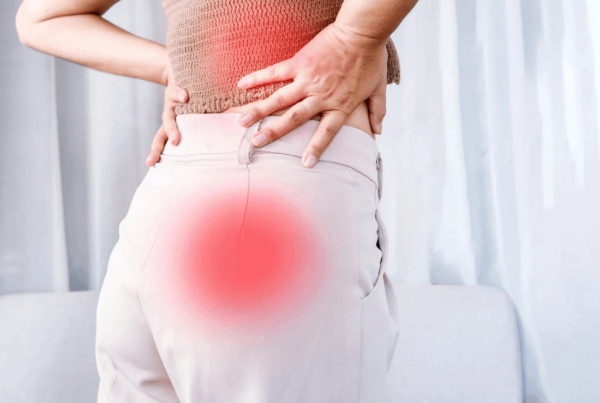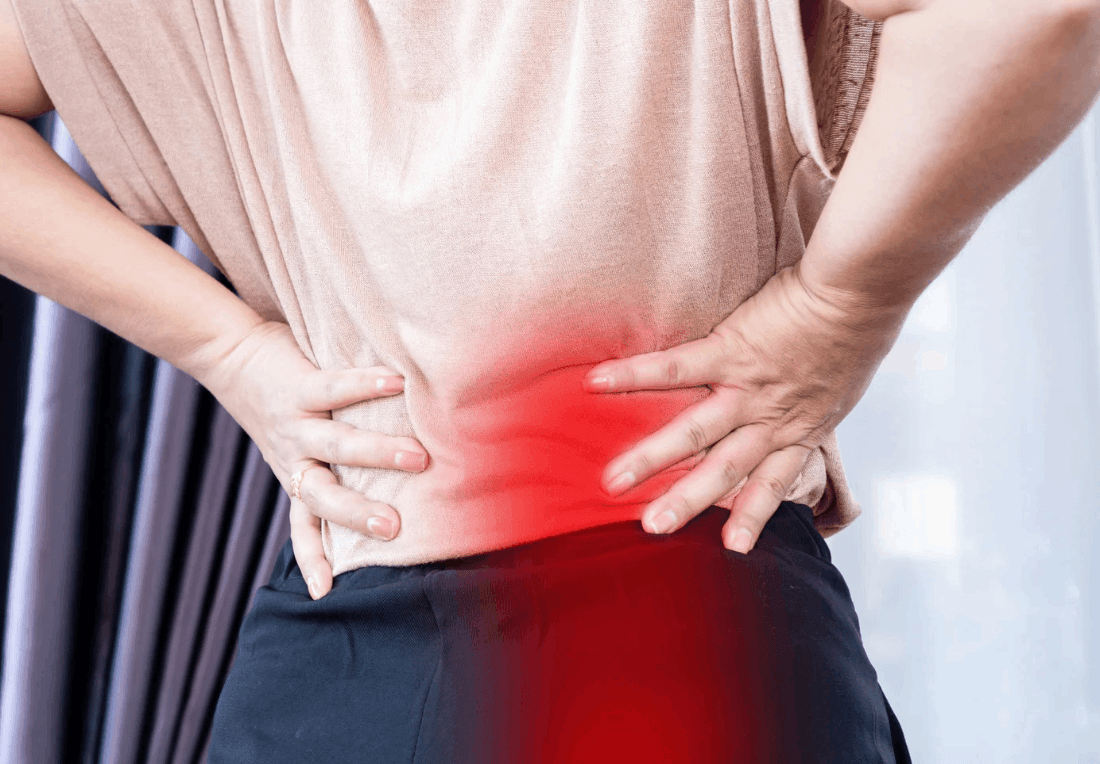
SI joint pain is an ache low on one side of your back, often near the top of the buttock, that comes from the sacroiliac joint where your spine meets your pelvis, and SI joint massage works on the muscles around that joint to ease tightness, though it doesn’t move or realign the joint itself. The SI joint is a small, tough joint with a big job, and it’s the handshake between your spine and your legs.
Because massage is only one piece of the puzzle, this post also covers who to see for what, and a local provider can bring remedial massage at home, a physiotherapist, a chiropractor or an osteopath to your home through Blys.
Where Is the SI Joint?
The sacroiliac joint, or SI joint, is the joint on each side of your lower back where the base of your spine, called the sacrum, meets the large bones of your pelvis. You have two, one on the left and one on the right, and you can usually feel the area as the two small dimples at the top of your buttocks.
What Does the Sacroiliac Joint Do?
The SI joint passes the load between your spine and your legs every time you walk, climb stairs or stand up, and it moves only a tiny amount. Strong ligaments hold it steady, and the muscles around it, including the glutes, the deep hip muscles and the lower back, help share the work. Your SI joints are the shock absorbers you never tipped.
What Does SI Joint Pain Feel Like?
Sacroiliac joint pain usually feels like a dull or sharp ache low on one side of the back, close to the dimple at the top of the buttock. It can spread into the buttock, the hip, the groin or the back of the thigh. It often shows up with the first step out of a car, on stairs, when you stand on one leg and when you roll over in bed.
Why Does the SI Joint Get Irritated?
The SI joint gets irritated when it’s overloaded, strained or stressed, and a few everyday things do most of the damage. The table sums up the usual suspects and what each one asks of the joint and the muscles around it.
| Common cause | What it asks of the SI joint and nearby muscles |
| Long hours of sitting | Keeps the pelvis and hips in one position, often unevenly |
| Standing or walking with weight on one leg | Loads one SI joint more than the other |
| A fall, a slip or a sudden twist | Strains the joint or the ligaments around it |
| Running, stairs or lots of single-leg activity | Asks the joint to absorb load again and again |
| Pregnancy and the months after | Changes how the pelvis carries weight, and a doctor or midwife can advise |
| Tight hips or weak glutes | Leaves the joint and its neighbours to share an uneven load |
SI Joint Pain vs Other Lower Back and Buttock Pain
Several things can cause pain in the same area, so a quick comparison helps you describe your pain to a doctor. Only a doctor, physio or other trained provider can say what’s behind your pain, but the table shows the differences people most often describe.
| Possible source | Where it’s felt | What it usually feels like | What makes it worse |
| SI joint | Low on one side, near the dimple at the top of the buttock | An ache or sharp pain, sometimes spreading to the hip or thigh | Stairs, standing on one leg, rolling over in bed, getting out of a car |
| QL muscle | One side of the lower back, above the hip bone | A deep ache with a tender spot | Standing up, side bending, long sitting or standing |
| Piriformis | The middle of one buttock | A deep ache, sometimes down the back of the thigh | Long sitting, stairs, running |
| Lower back disc or nerve | The lower back, often down the leg | Sharp, burning or shooting pain, sometimes with numbness | Bending forward, coughing, sneezing, lifting |
| Hip joint | The groin or the front of the hip | A deep ache or sharp pain | Walking, twisting, getting in and out of a car |
Signs That Point to the SI Joint
SI joint pain usually sits low on one side, close to the dimple at the top of the buttock, and it often eases when you change position. Stairs, standing on one leg and rolling over in bed are classic triggers. If that sounds like you, SI joint massage is a reasonable thing to ask about once you’ve checked with your doctor, and the QL muscle and one sided lower back pain suits pain that sits a little higher.
Why Getting It Checked First Matters
The right plan depends on the cause, and a muscle problem, a joint problem and a nerve problem can feel alike but need different approaches. A doctor or physio can examine you and tell you which is most likely, which keeps you from treating the wrong thing, and buttock pain from the piriformis is one more lookalike to rule out.
Red Flags: When to See a Doctor About SI Joint Pain
Most SI joint pain isn’t serious, but a few signs mean a doctor comes first, and this is the part most massage posts skip.
Call 000 for These Signs
Call 000 if back or pelvic pain comes with chest pain, shortness of breath, feeling faint, sudden severe pain, or loss of control of your bladder or bowel. Don’t arrange a massage and don’t wait it out, because these signs need emergency care.
See a Doctor Before Any Massage for These Signs
See a doctor before any massage if your pain comes with numbness around your groin or inner thighs, new weakness in your leg or foot, a fever, or swelling or redness over the area. Also see one if the pain follows a fall or accident, if it keeps getting worse or wakes you at night, if you have long morning stiffness or other swollen joints, or if you’ve lost weight without trying.
What This Page Is and Isn’t
This page is general information about SI joint pain and massage, and it isn’t medical advice. It doesn’t diagnose the cause of your pain, and it doesn’t claim that massage moves, realigns or fixes the joint. Massage suits muscle tightness once a doctor has ruled out anything else, so check with your doctor first if you have any red flag or any doubt.
How Massage Helps the Muscles Around the SI Joint
Massage for SI joint pain works on the muscles around the joint, and think of it as tidying the room and not moving the furniture.
Can Massage Help SI Joint Pain?
Massage can ease tight muscles in the glutes, lower back and hips around the SI joint, but it doesn’t move, realign or fix the joint itself, and a doctor or physio should check anything beyond muscle tightness. SI joint pain relief usually involves more than one thing, and massage is one part of it. No session can promise to change what your joint is doing.
Remedial Massage for the Glutes, Lower Back and Hips
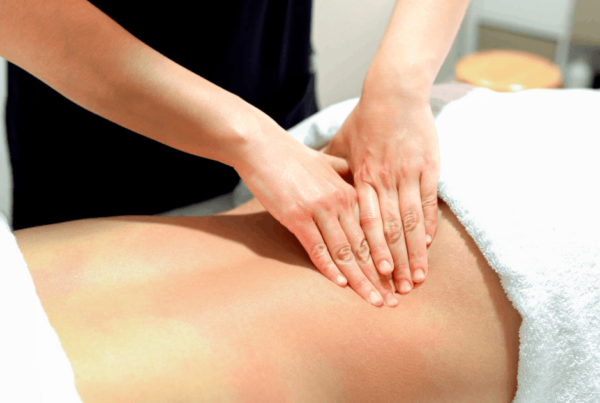
Remedial massage sessions start with a conversation about where it aches, which movements set it off and how long you sit, then build a plan around you. For SI joint pain, your therapist usually works on the glutes, the deep hip muscles, the lower back and the muscles at the front of the hip, since they all share the load. It suits an ache that keeps coming back however often you stretch.
Myofascial Release Around the Pelvis
Myofascial release therapy uses slow, gentle pressure on the connective tissue around the muscles, and it suits tight, restricted-feeling hips and lower back. It feels more like a patient stretch than a rub, and your therapist works around the joint and the surrounding tissue and not on the bone itself.
What About the Joint Itself?
Massage works on the muscles around the SI joint, and other providers work on the joint with their own methods, so ask them what they do and why. A physio, a chiropractor or an osteopath can each assess the joint and the way you move, and they’re the right people to ask about the joint itself.
| Style | What it involves | Suits |
| Remedial massage | An assessment, then firm, specific work on the glutes, hips and lower back | An ongoing ache tied to your habits |
| Myofascial release | Slow, gentle pressure on the connective tissue around the pelvis | Tight, restricted-feeling hips and lower back |
Who to See for SI Joint Pain: Doctor, Physio, Chiropractor, Osteopath and Massage Therapist
Each provider does something different, and the best plan often involves more than one, so the table sets out who does what. Approaches vary from one provider to the next, and your doctor is always the first stop.
| Provider | What they do | Good to ask about |
| Doctor | Diagnose, rule out other causes, arrange scans and referrals | What’s causing the pain and what’s safe for you |
| Physiotherapist | Assess how you move, set exercises and strengthening, use hands-on techniques | An exercise plan for your pelvis, hips and core |
| Chiropractor | Assess the spine and pelvis and use hands-on, joint-focused techniques | What they do for the SI joint and what they advise afterwards |
| Osteopath | Use hands-on techniques on muscles and joints and give movement advice | A whole-body view of your pelvis, hips and back |
| Remedial massage therapist | Work on the soft tissue around the joint | Easing tight glutes, hips and lower back |
The Physiotherapist: Exercise and Movement
A mobile physiotherapy visit is a common first stop for SI joint pain: a physiotherapist assesses how your pelvis, hips and back move and builds an exercise plan around what they find. They may also use hands-on techniques, and they can do all of it at your home.
The Chiropractor
A mobile chiropractor visit starts with an assessment of your spine, pelvis and hips, and your chiropractor uses hands-on, joint-focused techniques. Ask what they would do for your SI joint, what you can expect afterwards and how it fits with the rest of your care.
The Osteopath
A mobile osteopathy session takes a whole-body view of how your pelvis, hips and back work together, using hands-on techniques on muscles and joints plus movement advice. Ask your osteopath how they’d approach your SI joint and what to do between visits.
Do You Need More Than One?
Many people use more than one provider, with each doing a different job, and a doctor can help you work out a sensible mix. A physio might set exercises, a chiropractor or osteopath might work on the joints and a massage therapist might ease the tight muscles around the joint. Tell each provider what the others are doing, so everyone works from the same plan.
Questions to Ask Each Provider
Ask each provider five things before you start:
- What do you think is causing my pain?
- What will you do in the first session?
- How many sessions do you expect I’ll need?
- What should I avoid doing between sessions?
- How does your work fit with my other providers?
What Happens in a Massage Session for SI Joint Pain
An SI joint massage session is calmer and slower than most people expect, and it follows a predictable order.
Before the Session: The Conversation
Your therapist asks where it aches, which movements set it off, how long you sit each day and anything your doctor or other providers have said. Say if you’ve had any red flag signs from the section above. Your answers decide which style your therapist uses and how firmly they work.
During the Session: Positions and Pressure
You usually lie on your side or face down with a pillow under your hips, and your therapist works on the glutes, lower back and hips with their thumbs, forearm or elbow. Please keep your underwear on and lie under a sheet or a towel, and your therapist uncovers only the area they’re working on. Expect firm, steady pressure that feels like a deep ache at the sore spot, never a sharp or frightening pain, and speak up if it’s too much.
After the Session: What to Do Next
Some people feel a little tender the next day, like after a new workout, and some feel looser right away. Move gently, keep to your normal routine and tell your therapist or doctor if the pain gets sharper or spreads. A short walk beats a long sit.
How Often Do People Arrange Massage for SI Joint Pain?
Your doctor, your physio and your therapist decide how often makes sense, and it depends on how long the pain has been there and what keeps feeding it. On Blys you can set sessions to repeat and ask for the same provider each time, so the person arriving already knows your hips, your habits and what worked last time.
Habits and Movement Between Sessions
What you do between sessions matters as much as the sessions, and none of it needs a gadget.
Sitting, Standing and Carrying Habits
Sit with your weight even on both sides, stand with your weight even on both feet and swap which hip you rest on. Carry bags on both shoulders or alternate sides, and avoid standing on one leg while you wait for the kettle. Stand up and walk for a minute every so often, since long stretches in one position keep the pelvis stiff, and if your pain also reaches into the lower back, the best type of massage for lower back pain depends on the cause.
Sleeping and Getting Out of Bed
Sleeping on your side with a pillow between your knees, or on your back with a pillow under your knees, are common suggestions, and a physio can advise on what suits you. Rolling over in bed can set off SI joint pain, so move slowly and keep your knees together as you turn.
Exercises to Ask a Physiotherapist About
A physiotherapist can show you strengthening and mobility exercises for the glutes, the core and the hips that suit your pain. Exercises should feel like effort and never like a sharp pain, and the right ones depend on you, so a quick session with a physiotherapist beats a video from the internet, and a mobile physiotherapy session can happen at home.
Arranging Massage, Physio, Chiro or Osteo at Home With Blys
Blys lists massage, physio, chiropractic and osteopathy, so you can arrange the right provider to come to your home. One platform, four kinds of provider and zero waiting-room magazines.
Why Home Works for SI Joint Pain
When stairs, long sits and getting out of a car are what set your pain off, a trip to a clinic and back asks your SI joint to do all three. A session at home means you stay in your own space and can lie down on your own sofa afterwards. Bookings run from 6 am to midnight, seven days a week, so an evening session after work fits around a late finish.
What to Expect When Your Provider Arrives
Your provider brings what they need, and for a massage that means the table, fresh linen, towels and massage oil or lotion, with about 2 x 2 metres of floor to clear. You’re not charged until a provider confirms your booking, and same-day times depend on availability. A quiet room and a sturdy chair nearby are all the space you need.
What to Put in Your Booking Notes
Put where the pain sits, which movements set it off, how many hours a day you sit and the style or provider you’d like in your booking notes. Add anything your doctor or other providers have told you, so your provider arrives knowing what to focus on and what to avoid.
Once your doctor has seen your pelvis and back, a session at home is an easy way to look after the muscles and the movement, and your car can stay in the driveway.
Sore Pelvis? Skip the Car: Arrange Remedial Massage or a Physio at Home →
People Also Ask: SI Joint Pain and Massage
These are the questions people type into search once the base of their back starts complaining.
Can SI joint pain cause leg pain?
It can, because SI joint pain can spread into the buttock, the hip, the groin and the back of the thigh. Pain that travels below the knee or comes with numbness or tingling can also come from a nerve in the lower back, so a doctor or physio needs to tell you which it is.
Why does my SI joint hurt when I stand up?
Standing up shifts your weight onto the pelvis and loads the SI joint and the muscles around it, so an irritated joint complains at that moment. Sitting for a long time can leave the hips and buttocks stiff, so the first few movements after a long sit often feel the worst.
Can pregnancy cause SI joint pain?
Pelvic and SI joint pain are common in pregnancy and in the months after, because the pelvis carries weight differently. Talk to your doctor or midwife, who can advise on what’s safe for you, and tell any provider that you’re pregnant or recently gave birth.
Is walking good for SI joint pain?
Gentle walking often feels better than long sitting or standing, but a long, fast or hilly walk can aggravate a sore SI joint. Start gently, stop if the pain sharpens and ask your doctor or physio what suits you.
Does sitting make SI joint pain worse?
For many people it does, because sitting keeps the pelvis and hips in one position for hours. Sitting with your weight even, taking regular standing breaks and avoiding a wallet in your back pocket can help take the pressure off.
How do I know if it’s my SI joint or my hip?
SI joint pain usually sits low on one side near the top of the buttock, while hip joint pain is often felt in the groin or the front of the hip, though the two can overlap. A doctor or physio can examine you and tell you where your pain really comes from.